
Introduction
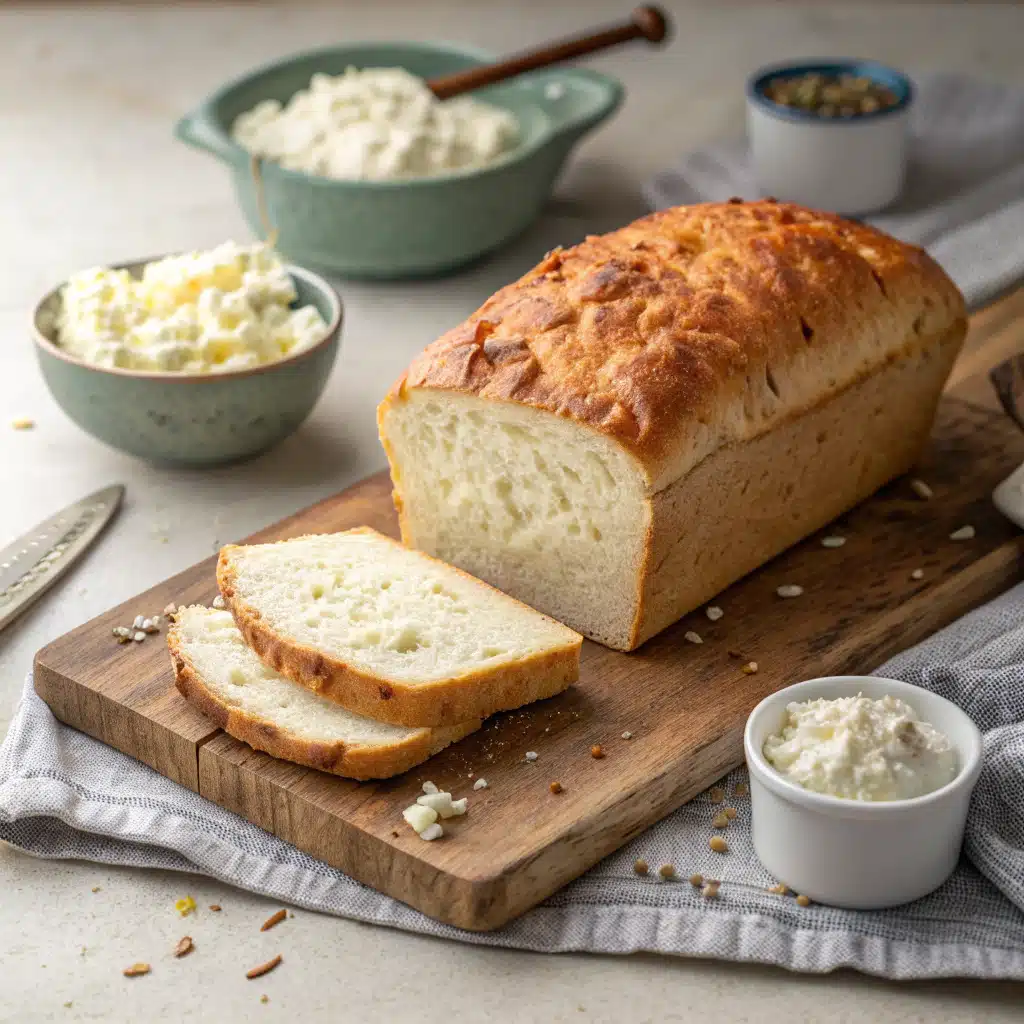
If you’ve been searching for a way to make homemade bread that’s nutritious, protein-packed, and incredibly easy, you’re going to love the 2 Ingredient Cottage Cheese Bread. This simple recipe has become a viral sensation among health enthusiasts, bakers, and home cooks alike, thanks to its minimal ingredient list, fluffy texture, and satisfying taste. Whether you’re looking for a high-protein snack, a low-carb bread alternative, or simply a quick baking project, this recipe delivers impressive results with almost no effort.
In this post, we’ll break down how this minimalist bread recipe works, explore the science behind the ingredients, and share expert variations to suit your dietary and flavor preferences. By the end, you’ll understand why this two-ingredient wonder has captured the attention of food bloggers, nutritionists, and fitness foodies worldwide—and more importantly, you’ll be ready to bake your own loaf.
—
Step-by-Step Instructions
This is one of those recipes that truly defines “less is more.” The magic of the 2 Ingredient Cottage Cheese Bread lies in the balance between protein-rich cottage cheese and binding flour (often oat or self-rising flour). Here’s how to make it from scratch, with zero complexity.
Step 1: Gather Your Ingredients
Before anything else, ensure you have the two essentials:
– 1 cup of cottage cheese (preferably low-fat or full-fat depending on your preference)
– 1 cup of self-rising flour or finely blended oat flour
Optional: Add a pinch of salt or a dash of baking powder for a more defined texture, though these are not counted as additional core ingredients.
Step 2: Blend to Perfection
In a blender or food processor, combine the cottage cheese and flour. Blend until you get a smooth, thick batter. The cottage cheese adds creaminess, richness, and proteins, while the flour provides the body needed for structure. If you’d like to experiment, consider adding herbs like rosemary or seeds for extra flavor—ideal for savory versions.
Step 3: Prepare the Bread Pan
Lightly grease a loaf pan or use parchment paper. Preheating the oven to 350°F (175°C) ensures consistent cooking and a golden-brown crust.
Step 4: Bake Until Golden
Pour your batter into the prepared pan and smooth out the top. Bake for 35–45 minutes or until the surface is golden. Check doneness with a toothpick—when it comes out clean, your bread is ready.
Step 5: Cool and Slice
Allow the bread to cool for at least 15 minutes before slicing. This helps the crumb set properly, giving you neat, tender slices that hold up well for sandwiches, toast, or dipping into soups.
The entire process takes less than an hour from start to finish—perfect for busy mornings or quick healthy meal prep.
—
Tips
Even though the recipe is simple, small adjustments can elevate it from good to exceptional. Here are a few tried-and-tested techniques to make your bread bakery-worthy:
1. Choose Your Cottage Cheese Wisely
Full-fat cottage cheese yields a richer flavor and softer texture, while low-fat or fat-free versions tend to create a denser loaf. Blending is crucial; the smoother your mixture, the more uniform your final result.
2. Don’t Overmix the Batter
Overmixing can lead to a heavy, gummy bread. Stop blending as soon as you achieve a smooth consistency. The key is to incorporate air gently without deflating the mixture.
3. Add Flavor Boosters
You can fold in ingredients like garlic powder, chives, grated parmesan, or even honey for a subtle sweetness. This flexibility makes the bread suitable for both sweet and savory applications.
4. Texture Control
If you crave a chewier texture, substitute half the flour with almond flour or protein powder. For a lighter crumb, whisk in an egg white.
5. Ideal Storage
Store your bread in an airtight container at room temperature for up to two days or refrigerate for up to five. Toasting slices before serving revives the fresh-baked aroma perfectly.
—
Alternative Methods
Looking to experiment beyond the traditional oven version? Here are a few creative adaptations that keep the core concept intact while customizing the result to your cooking style and dietary needs.
1. Air Fryer Version
For a quick, crisp crust, pour the batter into mini loaf pans and bake in an air fryer at 320°F (160°C) for about 20–25 minutes. The circulating hot air creates a beautifully browned exterior without drying out the inside.
2. Gluten-Free Option
Replace the flour with certified gluten-free oat flour or almond flour. The bread will be slightly more moist, with a nutty undertone that complements savory toppings like avocado or hummus.
3. High-Protein Upgrade
Fitness enthusiasts can swap a portion of the flour for unflavored whey or casein protein powder. This tweak increases protein content per slice while maintaining flavor balance.
4. Vegan Alternative
While traditional cottage cheese comes from dairy, you can replicate the creamy base with vegan cottage cheese or blended silken tofu. Combine that with self-rising gluten-free flour for a plant-based loaf that’s just as satisfying.
5. Flavor Variations
Experiment with mix-ins such as cinnamon and vanilla extract for breakfast-style bread or sun-dried tomatoes and olive oil for a Mediterranean twist. The two-ingredient foundation is the perfect canvas for creative cooks.
—
Conclusion
Homemade bread doesn’t need to be complicated, and the 2 Ingredient Cottage Cheese Bread proves it. With only two wholesome ingredients, you can create a loaf that’s versatile, high in protein, and delightfully easy to make. This approach epitomizes the modern food trend of convenience paired with nutrition—ideal for anyone balancing a busy lifestyle with a desire for better eating.
Whether you enjoy it toasted with butter, layered with fresh toppings, or simply on its own, this recipe delivers delicious results every time. Plus, its adaptability makes it suitable for countless variations—from gluten-free to vegan. So, grab your ingredients and start baking today; simplicity has never tasted so good.
—
By focusing on clean ingredients, smart substitutions, and easy preparation, this bread becomes more than a viral food trend—it’s a reliable addition to your everyday cooking repertoire.