
Introduction
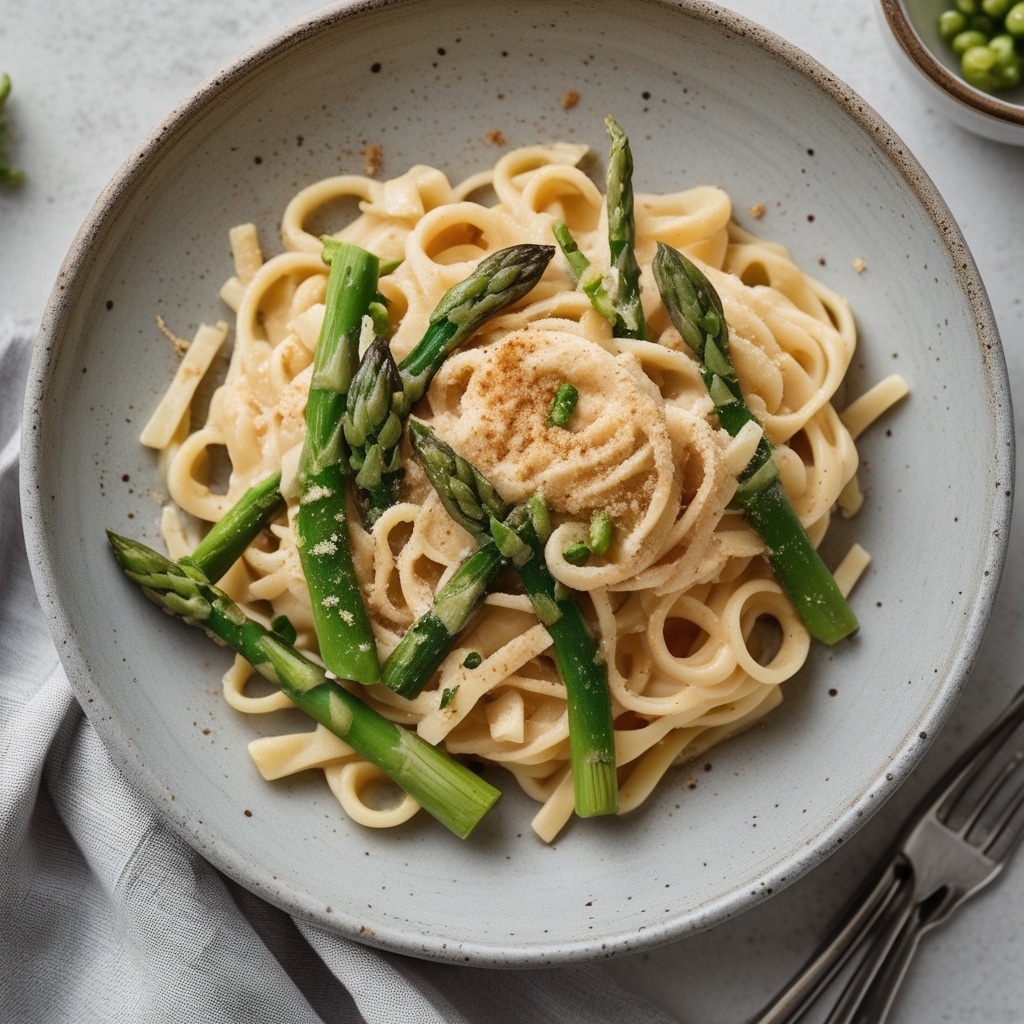
When spring arrives, there’s one ingredient that never fails to steal the show—fresh asparagus. Its crisp texture and earthy sweetness pair beautifully with classic Italian flavors, bringing vibrancy and balance to any dish. Among the many ways to celebrate this seasonal gem, the Asparagus carbonara pasta stands out for its silky, savory sauce and satisfying freshness. It’s a delightful twist on the traditional Roman carbonara, combining creamy richness with the bright, green touch of asparagus. In this post, we’ll explore a step-by-step guide to creating this dish, along with expert tips, variations, and methods that make it both beginner-friendly and gourmet-worthy.
—
Step-by-Step Instructions
1. Gather Your Ingredients
Before diving into cooking, ensure all elements are ready to go. Proper mise-en-place ensures a flawless cooking experience. For the Asparagus carbonara pasta, you’ll need:
– 10 oz (280 g) spaghetti or linguine
– 1 bunch of fresh asparagus, trimmed and sliced into 1-inch pieces
– 2 large eggs + 1 large egg yolk
– ½ cup grated Pecorino Romano or Parmesan cheese
– 3 oz pancetta or bacon, diced
– 1 tablespoon olive oil
– Freshly ground black pepper and sea salt to taste
Having these prepared helps synchronize timing, which is crucial for achieving the perfect sauce texture.
2. Prepare the Asparagus
Bring a pot of salted water to a gentle boil. Add the asparagus and blanch for 2 minutes until tender-crisp and bright green. Use a slotted spoon to remove and set aside. Keep the same pot for cooking your pasta—this approach saves time, water, and preserves flavor.
3. Cook the Pasta
In the same pot, add your pasta and cook until al dente according to package instructions (usually 8–10 minutes). Reserve about ½ cup of pasta water before draining—the starchy liquid will help emulsify the sauce later.
4. Render the Pancetta
In a large skillet, heat olive oil over medium heat. Add pancetta and cook until crisp and golden, about 4–5 minutes. Remove the skillet from heat to cool slightly. You want it warm but not sizzling when the eggs are added, ensuring the sauce becomes creamy without scrambling.
5. Prepare the Egg Mixture
In a bowl, whisk together eggs, egg yolk, grated cheese, and a generous amount of black pepper. The goal is a smooth, cohesive mixture that will transform into a rich, velvety sauce when combined with the hot pasta.
6. Combine Everything
Add the drained pasta and asparagus to the skillet with pancetta. Toss gently to distribute flavors. Gradually pour in the egg mixture while stirring rapidly, letting the heat from the pasta thicken it into a luscious, glossy coating. If it feels too thick, add a splash of reserved pasta water for an ideal consistency.
7. Final Touches
Top with more grated cheese, freshly cracked pepper, and an extra drizzle of olive oil for sheen. Serve immediately while hot, garnished with lemon zest or parsley if desired.
—
Tips for Perfecting the Dish
Use the Right Cheese
Traditional carbonara calls for Pecorino Romano, known for its salty sharpness. Parmesan offers a milder flavor, so feel free to mix both for depth.
Control the Heat
Avoid combining eggs over direct heat—residual warmth is enough to create creaminess without curdling. Think of this as a gentle “tempering” process rather than cooking.
Leverage Fresh Ingredients
Asparagus quality greatly influences flavor. Look for firm stalks with tightly closed tips. Fresh, locally sourced asparagus adds natural sweetness that enhances the overall balance of your pasta.
Balance Texture
Pair crispy pancetta with tender asparagus for textural contrast. Adding a few crushed pistachios or toasted breadcrumbs can introduce a subtle crunch that elevates presentation and mouthfeel.
—
Alternative Methods
1. Vegetarian Variation
Skip pancetta and opt for sautéed mushrooms or sun-dried tomatoes. This keeps the umami while catering to vegetarian preferences. A touch of smoked paprika can also mimic the pancetta’s depth.
2. Dairy-Free Approach
To avoid dairy, substitute cheese with a blend of nutritional yeast and a teaspoon of miso paste—this combination retains savory richness without lactose. A drizzle of plant-based cream enhances silkiness.
3. Whole Grain or Gluten-Free Pasta
For a wholesome twist, try whole wheat or gluten-free pasta. Note that alternative pastas may absorb a bit more sauce, so reserve extra pasta water to adjust consistency as needed.
4. Meal Prep Option
While carbonara is best eaten fresh, you can pre-cook the asparagus and pancetta in advance. Store them separately and assemble the dish right before serving. The sauce takes only minutes—ideal for quick weeknight meals.
5. Oven-Baked Carbonara
For a creative spin, transfer your mixed pasta into a baking dish, sprinkle extra cheese on top, and bake at 375°F (190°C) for 10–15 minutes until golden. The result: an elegant, slightly crispy version perfect for entertaining.
—
Conclusion
Few dishes embody spring comfort and culinary finesse quite like the Asparagus carbonara pasta. With its creamy sauce, crisp greens, and aromatic pancetta, it’s a harmonious blend of indulgence and freshness that feels both rustic and refined. Whether you’re crafting a family dinner or planning a date-night menu, this recipe delivers a restaurant-quality experience from the comfort of home. By following the step-by-step process, embracing thoughtful ingredient choices, and experimenting with variations, you can master this seasonal favorite and impress anyone at your table. Celebrate the flavors of asparagus while keeping tradition alive—because great cuisine, like great spring produce, deserves to be savored slowly and shared generously.
—
Word Count: ~912