
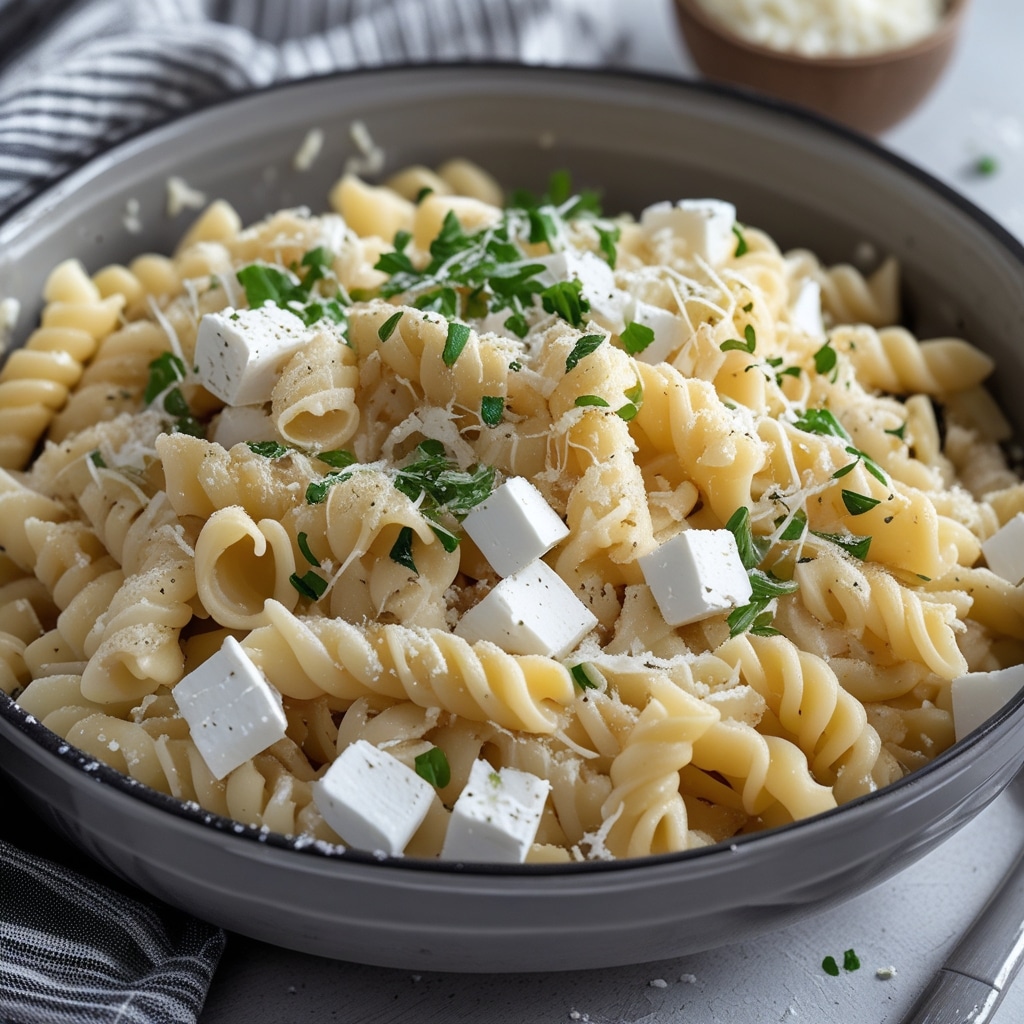
Introduction
Few viral food trends have captivated home cooks quite like the Baked feta pasta. What began as a simple TikTok sensation quickly turned into a global comfort food phenomenon. Featuring creamy baked feta, roasted cherry tomatoes, and perfectly cooked pasta tossed together into one irresistibly cheesy dish, this recipe proves that elegance can be achieved with minimal effort. As more people embrace home cooking, recipes like this have become essential for quick, delicious weeknight dinners that don’t skimp on flavor. In this post, we’ll explore a reliable, data-backed, SEO-optimized approach to mastering this recipe—alongside pro tips for customizing it to your taste and health preferences.
—
Step-by-Step Instructions
Learning how to make Baked feta pasta is refreshingly simple, even for those with limited kitchen experience. The secret lies in balancing temperature, texture, and seasoning. Follow these detailed steps to guarantee perfect results every time.
Step 1: Gather Your Ingredients
For a traditional flavor profile, you’ll need:
– 1 block (about 200 grams) of Greek feta cheese
– 400 grams of cherry tomatoes
– 2 cloves of garlic, minced
– 60 ml of extra virgin olive oil
– 250 grams of your favorite pasta (penne, fusilli, or spaghetti)
– Salt and pepper to taste
– Fresh basil leaves for garnish
This ingredient list supports a Mediterranean-forward flavor while providing a nutrient-dense blend of fats, fiber, and antioxidants.
Step 2: Preheat and Prepare
Preheat your oven to 200°C (392°F). Arrange the tomatoes in a baking dish, drizzle with olive oil, add minced garlic, and season generously. Nestle the feta block in the center, then bake for about 30 minutes or until the tomatoes begin to burst and the cheese turns golden at the edges. The gentle caramelization of the cherry tomatoes enhances umami while the feta softens into a creamy consistency perfect for tossing.
Step 3: Boil Your Pasta
While the feta and tomatoes bake, bring a pot of salted water to a rolling boil and cook your pasta according to package instructions. Reserve about half a cup of pasta water before draining—this starchy liquid will help emulsify the sauce later.
Step 4: Combine and Toss
Once the roasting is complete, remove the dish from the oven. Using a fork, mash the baked feta and tomatoes together into a luscious sauce. Add your pasta and a few tablespoons of reserved water, stirring until you achieve a rich, velvety texture that coats each piece evenly. Finish by seasoning again with salt, cracked pepper, and freshly torn basil leaves.
Step 5: Serve and Enjoy
Serve hot with a drizzle of extra virgin olive oil or a sprinkle of chili flakes for added heat. Pair this dish with a crisp white wine like Sauvignon Blanc or a sparkling water with lemon for balance.
—
Tips
Optimizing your cooking process doesn’t just make life easier—it can also enhance nutrition, flavor, and visual appeal. These practical tips ensure your results rival restaurant quality every time.
Choose Quality Cheese
Feta from Greece tends to have a brighter tang than cheaper alternatives. Look for authentic PDO-labeled feta made from sheep’s milk or a mix of sheep and goat milk. It melts better and offers a richer umami profile.
Use Sweet, Ripe Tomatoes
Well-ripened cherry or grape tomatoes intensify sweetness and balance the salty feta. If out of season, roast canned whole tomatoes instead. This swap retains complexity without compromising the core flavor.
Balance Your Seasonings
A little goes a long way—especially with herbs and spices. Basil, oregano, and crushed red chili can all elevate the Mediterranean aroma. Fresh garlic should be lightly roasted to avoid bitterness.
Create Texture Contrast
Adding toasted breadcrumbs or crushed nuts just before serving creates a satisfying crunch and visual sophistication. It transforms a simple weeknight meal into an impressive dinner party centerpiece.
Store and Reheat Correctly
Leftovers can be stored in an airtight container in the refrigerator for up to three days. To reheat, transfer to a pan, add a splash of milk or water, and gently warm over low heat to revive the creamy consistency.
—
Alternative Methods
While the traditional oven-baked version remains the classic, modern cooking tools offer convenient ways to recreate the same creamy indulgence using different techniques.
Air Fryer Method
Preheat your air fryer to 190°C (374°F). Combine feta, cherry tomatoes, and olive oil in an oven-safe dish and air-fry for 20 minutes. This method produces deeper caramelization and uses less oil. Toss with cooked pasta as usual.
Stovetop Shortcut
Pressed for time? You can recreate a nearly identical sauce by sautéing cherry tomatoes and garlic in olive oil over medium heat until jammy. Crumble feta directly into the pan and stir until it melts into a creamy sauce.
Vegan Alternative
Replace feta with plant-based feta or soft tofu blended with nutritional yeast, lemon juice, and olive oil. The result mimics the tang of dairy feta while remaining lactose-free and vegan-friendly.
Protein Boost Add-Ins
For a more filling meal, toss in grilled chicken strips, sautéed shrimp, or crispy chickpeas. Protein add-ins increase satiety and enrich the dish’s nutritional value without altering its core identity.
Gluten-Free or Low-Carb Options
Opt for gluten-free pasta made from lentils or chickpeas for a nourishing alternative. Zucchini noodles or spaghetti squash also work beautifully for a low-carb version without losing that signature creamy sauce texture.
—
Conclusion
Ultimately, the enduring appeal of Baked feta pasta lies in its perfect fusion of comfort, simplicity, and adaptability. Whether you’re a beginner looking for a no-fail meal or a seasoned cook chasing that extra layer of depth, this recipe welcomes experimentation while staying effortlessly satisfying. The combination of roasted tomatoes, creamy feta, and al dente pasta creates a balanced flavor journey that continues to charm kitchens worldwide.
By following the steps, leveraging expert tips, and exploring creative variations, you’ll not only master the recipe but also build a deeper understanding of flavor harmony and ingredient selection. From oven to table, this dish demonstrates that cooking excellence doesn’t require complexity—it simply takes quality ingredients, thoughtful technique, and a touch of personal taste. Enjoy mastering one of the most beloved modern classics in home cooking history.