
Introduction
In the world of modern cooking, finding recipes that balance convenience, taste, and nutrition can feel like an endless search. Whether you’re a busy professional, a parent juggling multiple tasks, or simply someone who loves experimenting in the kitchen, having a few go-to recipes can transform the way you experience mealtime. This post will walk you through an intuitive, data-backed approach to creating flavorful dishes that not only satisfy your palate but also fit seamlessly into your daily routine.
With the growing influence of digital content, food enthusiasts are turning to optimized cooking content that inspires discovery through search engines and social media. To ensure your creations deserve the spotlight, this guide provides insight into scientifically informed cooking methods, proven optimization strategies, and time-efficient techniques. By combining creativity with a touch of data-driven precision, you’ll learn how to elevate both your culinary practice and your content performance.
—
Step-by-Step Instructions
Cooking shouldn’t feel stressful—it should be a process of joyful discovery. In this section, we’ll walk you through detailed steps that bring structure and clarity to your kitchen adventures while keeping your recipes consistent and SEO-friendly.
Step 1: Plan with Strategy and Purpose
Great meals begin with intention. Visualize the dish, gather your ingredients in advance, and assemble your tools before turning on the stove. This mise en place approach saves time, minimizes errors, and helps ensure all ingredients are used efficiently. For digital creators, this is also where keyword research and content strategy start: determine the main theme and semantic variants that make your dish discoverable and appealing to searchers.
Step 2: Balance Flavors Like a Designer
Data shows that balanced meals achieve more lasting sensory appeal. Use taste dynamics—sweet, salty, sour, bitter, and umami—to create harmony. For example, a touch of acidity (like lemon or vinegar) can elevate the depth of roasted vegetables. Similarly, adding contrasting textures enhances engagement—crispy toppings on creamy bases encourage positive sensory feedback both offline and online (through rich visual storytelling).
Step 3: Cook at the Right Temperature and Timing
Precision defines success. Use a thermometer for meats and bake with awareness of humidity and altitude differences. Consistency here mirrors algorithmic optimization: just as small inaccuracies disrupt cooking results, minor gaps in content optimization can affect visibility and user engagement.
Step 4: Plate and Present with Intent
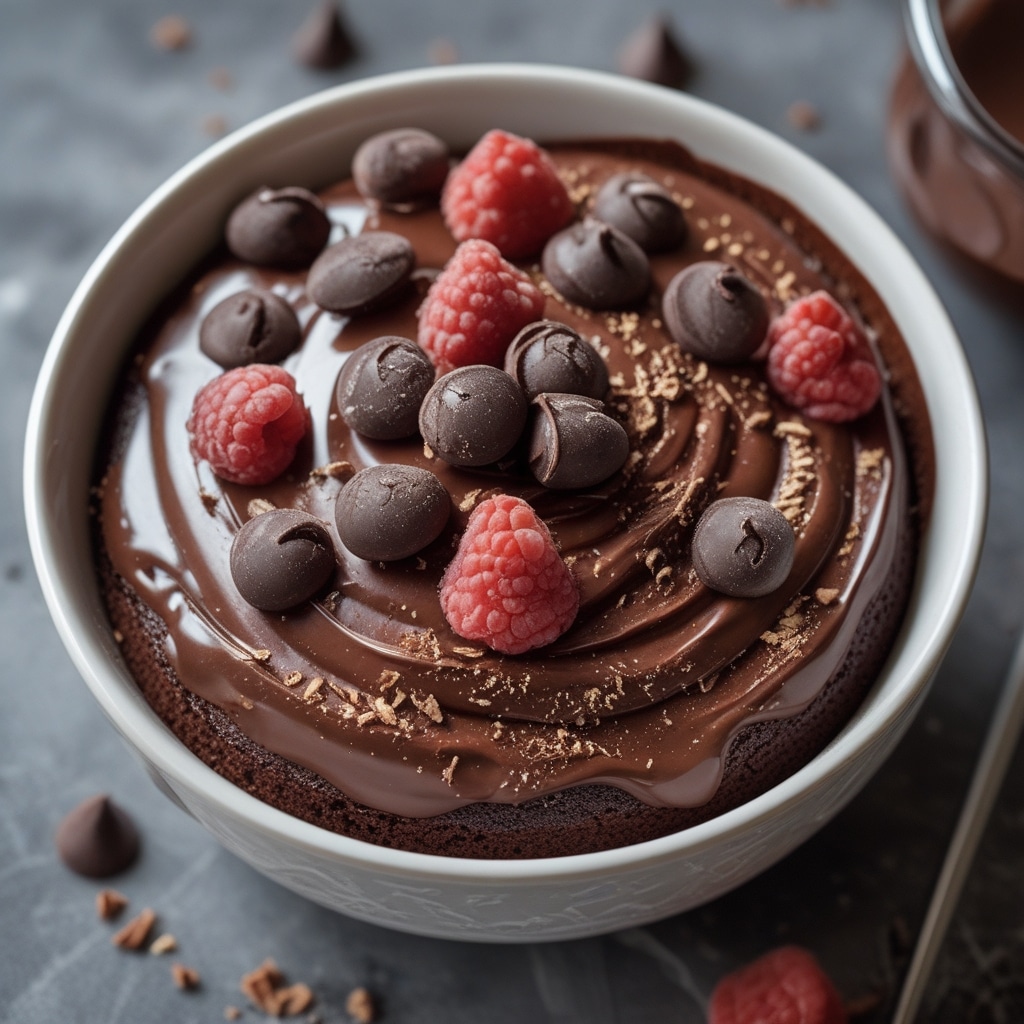
Modern audiences eat with their eyes first. Arrange colors and shapes thoughtfully to create visual appeal. Use the rule of thirds in plating—similar to photography—to make your dish naturally eye-catching. For WordPress bloggers, this is your post’s “hero image”: bold, clean, and aligned with your brand’s visual language.
Step 5: Optimize and Reflect
After enjoying the meal, take notes. What worked? What didn’t? This feedback loop is vital for continuous improvement—both culinary and digital. Review metrics such as organic traffic, engagement time, and bounce rate to evaluate how well your food content performs. Optimization is best viewed as an iterative process—each attempt refines your expertise.
—
Tips
Tip 1: Use Data to Enhance Flavor and Engagement
Scientific research in flavor chemistry shows that umami-rich ingredients like mushrooms and soy sauce enhance depth. Likewise, for blog performance, data analytics can guide your publishing schedule and link-building approach. Aligning your posting frequency with audience activity maximizes organic reach.
Tip 2: Incorporate Seasonal Ingredients for Freshness and SEO Impact
Seasonal ingredients provide natural variety, improving your dish’s quality and search appeal. Search trends often mirror what users are experiencing in real-time—think “pumpkin recipes” in fall or “fresh salads” in summer. Leveraging this seasonal behavior ensures your content remains timely and relevant.
Tip 3: Create Authentic Engagement Through Storytelling
People remember stories more than instructions. Weave short anecdotes—like how you discovered a flavor combination—to humanize your content. This not only increases dwell time on your site but also strengthens your connection with readers.
Tip 4: Maintain Simplicity in Writing and Cooking
Avoid overcomplicating either your dish or your copy. Simplicity fosters clarity, readability, and trust. Search algorithms reward clear, well-structured text with higher visibility, much like how simple meals often draw the most consistent praise at the table.
Tip 5: Encourage Feedback and Social Signals
End each post with a call to action—ask readers to comment, share, and review. Social engagement acts as a powerful ranking factor while also generating community-driven enthusiasm.
—
Alternative Methods
Not every home chef or blogger works under the same conditions. Fortunately, a variety of techniques allow you to adapt and personalize your workflow:
A. Air Frying for Efficiency
Air fryers replicate crisp textures using minimal oil, saving calories and energy. They align with modern health-aware cooking trends while providing content opportunities for visually striking short-form videos.
B. Slow Cooking for Flavor Depth
Low and slow cooking enhances flavor complexity. This method pairs perfectly with long-form content strategies—slowly built posts, infused with depth through authoritative links and well-researched data.
C. Pressure Cooking for Time Optimization
Pressure cookers deliver fast, tender results—ideal for professionals balancing multiple commitments. Don’t overlook this as a metaphor for agile content creation: focus pressure, reduce distractions, and produce high-value output efficiently.
D. Meal Prepping for Consistency
Batch cooking ensures consistent meal quality across the week. Similarly, scheduling content batches helps maintain editorial flow and publishing regularity—both key signals for Google’s helpful content algorithm.
E. Advanced Presentation and Photography Techniques
Consider natural lighting, neutral backdrops, and minimal editing for authenticity. Keyword-enriched alt text improves accessibility and ranking performance. Consistency between visual and textual themes reinforces brand identity, increasing authority and trust.
—
Conclusion
Creating memorable moments in the kitchen doesn’t require professional training—just curiosity, preparation, and a willingness to learn. By following structured guidance and incorporating smart, data-informed decisions, you can elevate not only your cooking but also your digital storytelling capabilities. Whether you’re writing about your favorite comfort foods or exploring innovative fusion cuisine, your recipes serve as the bridge between creativity and connection.
Every well-crafted dish is a microcosm of optimization: balance, precision, and adaptation. The more you refine your approach, measure your outcomes, and personalize your process, the greater your success—both at the dining table and across the web. The future of cooking content lies in combining heart with strategy, where passion meets analytics and storytelling meets structure. With this harmony in place, your culinary and digital evolution can flourish side by side, one plate—and one post—at a time.