
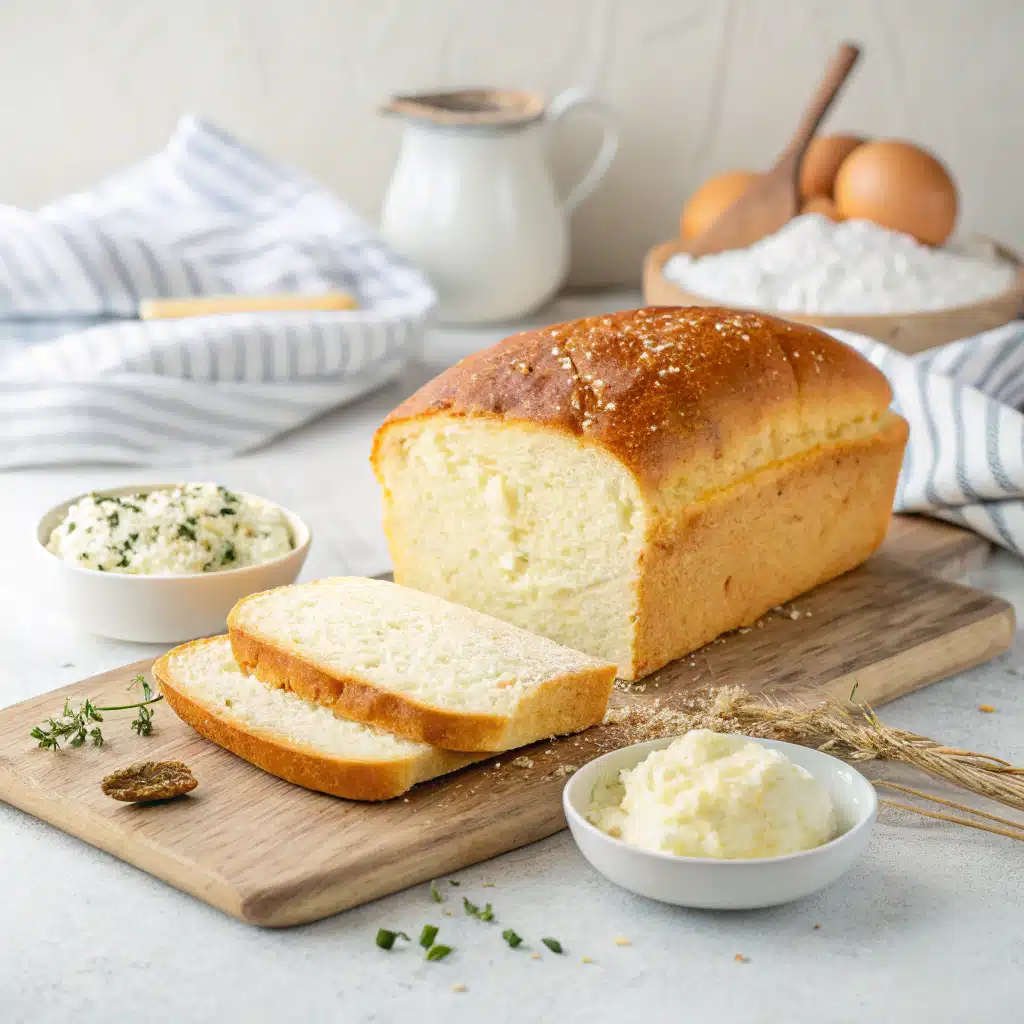
Introduction
If you’re following a low-carb or ketogenic diet but crave the comforting texture and aroma of freshly baked bread, you’re in the right place. This recipe for Fluffy Keto Cottage Cheese Bread is revolutionizing the way keto enthusiasts enjoy guilt-free baking. By combining high-protein cottage cheese with gluten-free flours and healthy fats, this bread achieves a perfectly soft crumb—without the carbs that spike your blood sugar. Perfect for breakfast toast, sandwich bases, or even dinner rolls, this low-carb bread recipe delivers both nourishment and satisfaction.
In this article, we’ll walk through the entire preparation process, share expert baking tips, suggest creative alternatives, and show you how to make the most of your homemade keto bread. Let’s dive in and discover how this simple recipe can help you enjoy bread again—without sacrificing your dietary goals.
—
Step-by-Step Instructions
Let’s start by focusing on the ingredients and method to make Fluffy Keto Cottage Cheese Bread truly shine in your kitchen. This step-by-step breakdown ensures consistent results every time you bake.
Ingredients You’ll Need
– 1 cup full-fat cottage cheese (preferably small curd for smoother texture)
– 4 large eggs
– 1 cup almond flour (or fine-ground almond meal)
– 2 tablespoons coconut flour
– 1 tablespoon baking powder
– 1 tablespoon olive oil or melted butter
– ½ teaspoon salt
– 1 tablespoon psyllium husk powder (for elasticity and crumb structure)
– Optional: herbs, garlic powder, or grated cheese for added flavor
Step 1: Blend the Wet Ingredients
Add the cottage cheese, eggs, and oil to a blender or food processor. Blend until smooth and creamy. This step ensures the bread’s signature fluffiness by incorporating air into the batter.
Step 2: Combine Dry Ingredients
In a separate bowl, whisk together almond flour, coconut flour, baking powder, psyllium husk, and salt. Proper blending ensures your bread rises evenly and develops the light texture that sets it apart from dense keto loaves.
Step 3: Mix Wet and Dry Components
Gradually pour the wet mixture into the dry ingredients while stirring gently. The batter should be thick yet pourable. If it’s too dense, add one or two tablespoons of almond milk until it reaches a uniform consistency.
Step 4: Prepare the Baking Dish
Line a small loaf pan with parchment paper and lightly grease it with coconut oil. Pour the batter into the pan and smooth the top using a spatula.
Step 5: Bake to Perfection
Bake in a preheated oven at 350°F (175°C) for 40–45 minutes, or until the top turns golden brown and a toothpick inserted in the center comes out clean. For a soft yet well-baked loaf, resist the urge to overbake.
Step 6: Cool and Slice
Let the bread cool completely before slicing. This ensures the structure holds and the crumb stays intact. Warm slices may crumble slightly, but once cooled, each slice will have the perfect texture—airy, moist, and slightly chewy.
—
Tips
Baking keto bread often requires minor adjustments depending on your kitchen environment and ingredients. To help you achieve bakery-level results, here are some essential tips:
1. Choose Quality Cottage Cheese
Look for full-fat, low-sodium cottage cheese. The creaminess supports the overall softness of the dough, while excess salt can affect the rise and flavor balance.
2. Measure Ingredients Precisely
Keto baking relies on accurate measurements. Invest in a kitchen scale to ensure consistency, especially when using almond or coconut flour, which can vary in density.
3. Avoid Overmixing
Mixing too vigorously can break down the airy batter, resulting in a dense loaf. A gentle fold is usually enough to combine the ingredients properly.
4. Use the Right Pan Size
A smaller loaf pan (8×4 inches) works beautifully for keto breads, allowing adequate rise and even baking.
5. Enhance with Flavor
Add herbs like rosemary or thyme if you want a savory loaf. For a breakfast version, mix in cinnamon and a low-carb sweetener for a lightly sweet flavor profile.
6. Storage and Reheating
Store the bread in an airtight container in the refrigerator for up to five days or freeze it for longer shelf life. Toast slices in a skillet or air fryer for a crispy exterior and soft interior.
—
Alternative Methods
Keto home bakers love experimenting, and this recipe adapts beautifully to various cooking methods and ingredient swaps:
1. Dairy-Free Version
Substitute the cottage cheese with unsweetened dairy-free yogurt or tofu cream. Both alternatives deliver a similar protein profile and maintain fluffiness while accommodating lactose-intolerant diets.
2. Microwave Mug Bread
In a hurry? Make a single-serve version by reducing the recipe and microwaving the batter in a mug for 90 seconds. Perfect for quick breakfasts or snacks.
3. Air Fryer Method
Pour the batter into a small, heat-safe loaf tin and air fry at 320°F (160°C) for about 25 minutes. The circulating air gives a crisp crust and soft crumb.
4. Seed-Infused Variation
Stir in flaxseeds, chia seeds, or sunflower seeds for added fiber and nutritional benefits. This also enhances texture and gives a rustic, artisanal appearance.
5. Sweet Dessert Twist
Turn the bread into a dessert alternative by adding vanilla extract, a keto-friendly sweetener like erythritol, and sugar-free chocolate chips. Serve it with whipped cream for an indulgent low-carb treat.
—
Conclusion
Incorporating Fluffy Keto Cottage Cheese Bread into your meal plan can completely transform your keto lifestyle. It’s soft, satisfying, and surprisingly simple to make—plus, it helps you stay on track without missing the comfort of traditional bread. Whether you enjoy it with butter, avocado, or alongside soups and salads, this high-protein loaf adds diversity and balance to your low-carb diet.
Experiment with the tips and variations above to adapt the recipe to your tastes and dietary needs. Before you know it, this keto-friendly loaf may become your household favorite—a perfect fusion of wholesome ingredients, science-backed nutrition, and mindful eating.
—
Word Count: ~928 words