
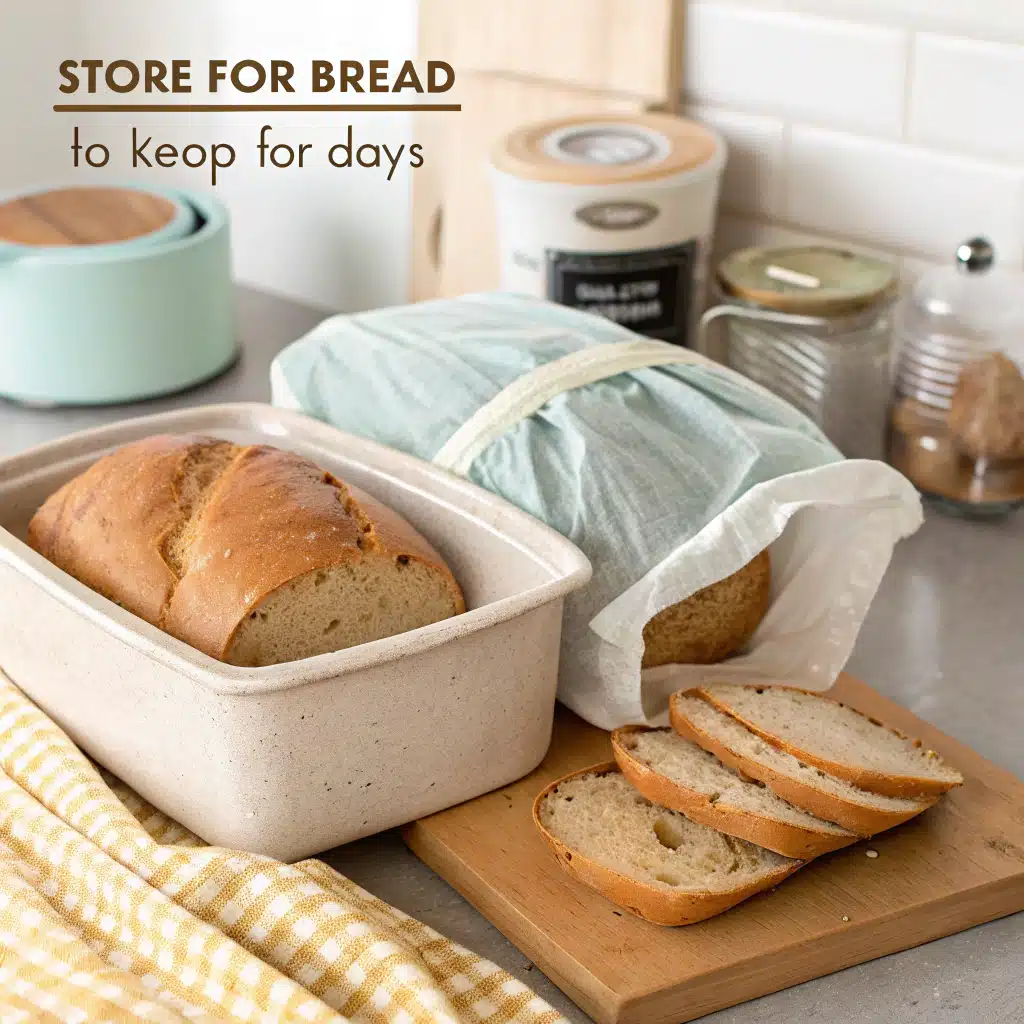
How to Store Homemade Bread to Keep It Fresh for Days
The aroma of freshly baked bread is one of life’s simplest pleasures. But unlike commercial loaves filled with preservatives and dough conditioners, homemade bread begins its inevitable decline almost immediately after cooling. For the dedicated home baker, nothing is more frustrating than seeing a beautifully crafted loaf turn stale, tough, or moldy within 48 hours.
This comprehensive guide is designed to transform the way you approach bread storage. We will move beyond the common myths and delve into the science of staling, providing practical, expert-level techniques to ensure your loaves maintain their superior texture and flavor for as long as possible. Mastering storage is the final, essential step in the baking process.
Understanding the Core Concept: The Science of Staling
The primary enemy of fresh bread is not mold, but staling. Staling, or “starch retrogradation,” is a chemical process that begins the moment bread cools. It is often misunderstood as simply drying out, but it is far more complex.
When bread bakes, the starch granules within the flour absorb water and swell, a process called gelatinization. This creates the soft, springy texture we love. As the bread cools and ages, these starch molecules slowly reorganize themselves, forming rigid crystalline structures. This process forces the trapped moisture out of the starch and into the crust or the surrounding air, resulting in the crumb becoming hard, dry, and crumbly.
Crucially, staling is accelerated by cold temperatures, making the refrigerator the absolute worst place to store almost any type of bread. The temperature range just above freezing (35°F to 45°F) maximizes the rate of starch retrogradation.
Key Factors and Principles Affecting Bread Freshness

To effectively store bread, we must control the two main factors that cause deterioration: moisture loss and mold growth.
Moisture Management
The goal of storage is to slow the movement of moisture out of the crumb while preventing the crust—which is essential for flavor and texture—from becoming tough or soggy. The ideal storage medium is one that balances these two needs. High-hydration breads (like sourdough or ciabatta) tend to stay fresh longer because they have more initial moisture to lose.
Temperature and Environment
As noted, refrigeration dramatically speeds up staling. The ideal storage temperature for short-term preservation (1–3 days) is room temperature. However, humidity also plays a vital role. A humid environment encourages mold growth, while a very dry environment accelerates moisture loss.
Crust Integrity
The crust acts as the bread’s natural barrier against moisture evaporation and contamination. Many storage methods fail because they trap moisture escaping from the crumb against the crust, turning the beautiful, crisp exterior soft and rubbery.
Image Prompt 1: A realistic close-up photo showing the crumb structure of a slice of homemade sourdough bread, exhibiting proper texture and moisture, contrasted against a dark wood cutting board.
Practical Methods and Techniques for Storage
Choosing the right storage method depends heavily on how quickly you plan to consume the loaf and the type of bread you have baked.
Method 1: Short-Term (1–2 Days)
For rustic, crusty loaves (like baguettes or artisan sourdough), the best storage method preserves the crust while allowing the bread to breathe slightly.
The Paper Bag Method
Place the cooled loaf in a simple, breathable paper bag. This is ideal for short-term consumption, as it allows moisture to escape slowly, minimizing staling while keeping the crust relatively crisp. Keep the bag in a cool, dry place on the counter, away from direct sunlight or heat sources. This method sacrifices some crumb softness for crust quality.
Method 2: Medium-Term (2–5 Days)
For sandwich breads, enriched loaves (like brioche or challah), or softer white breads, the goal shifts toward retaining softness and preventing drying.
The Bread Box or Container Method
A dedicated bread box or a large, airtight container provides a stable microclimate. Place the loaf inside, preferably wrapped loosely in a clean linen or cotton towel first. The towel helps absorb some surface moisture, preventing the crust from becoming overly soggy, while the container slows the overall evaporation rate. Ensure the bread is completely cool before placing it in the box.
Image Prompt 2: A realistic photo of a clean, well-lit kitchen counter featuring a classic wooden bread box slightly ajar, with a wrapped loaf of homemade sandwich bread visible inside.
The Cloth and Plastic Combination
For maximum softness retention, wrap the cooled bread tightly in a clean linen or cotton cloth, and then place the wrapped loaf inside a large, high-quality plastic bag (a produce bag works well) or a reusable silicone bag. Squeeze out excess air and seal it. This method keeps the crumb softest but will soften the crust significantly.
Method 3: Long-Term (Weeks to Months)
Freezing is the only effective way to stop the staling process and preserve bread for weeks or months. Since staling happens rapidly in the refrigerator, freezing arrests the chemical reaction entirely.
How to Freeze Bread Properly
1. **Cool Completely:** Ensure the loaf is absolutely 100% cooled—even slight warmth will cause condensation and freezer burn.
2. **Slice or Keep Whole:** For convenience, slice the loaf before freezing. This allows you to thaw only what you need.
3. **Wrap Tightly:** This is the most critical step. Use two layers of protection. First, wrap the bread tightly in plastic wrap or foil, ensuring no air gaps. Second, place the wrapped loaf into a freezer-safe zip-top bag, removing as much air as possible. Air is the enemy, causing freezer burn.
4. **Thaw:** To thaw a whole loaf, remove the outer freezer bag but keep the inner wrapping intact. Let it thaw on the counter for several hours. For slices, simply pop them directly into the toaster or oven from frozen. Never thaw bread in the microwave.
Common Mistakes and How to Avoid Them
Even experienced bakers can make storage errors that ruin a perfectly good loaf.
Mistake 1: Storing Warm Bread
Putting a loaf away before it has fully cooled (usually 1–2 hours after coming out of the oven) guarantees disaster. The trapped heat creates condensation inside the wrapper or container, resulting in a wet, sticky crust and rapid mold growth.
**Solution:** Always place the bread on a wire rack until the internal temperature matches the ambient room temperature.
Mistake 2: Using the Refrigerator
The refrigerator is a staling accelerator. Unless your bread has a high fat content (like cake or certain sweet rolls) or you live in an extremely hot, humid climate where mold is a 24-hour threat, avoid refrigeration entirely.
**Solution:** Use room temperature storage (1–5 days) or the freezer (longer than 5 days).
Mistake 3: Storing Cut-Side Down
If you have cut your loaf, never leave the cut end exposed. The exposed crumb loses moisture very quickly.
**Solution:** Store the loaf cut-side down on a clean cutting board, or use the “end-cap” method: hold the two end slices against the loaf with toothpicks or rubber bands to protect the exposed surface.
Tips, Best Practices, and Variations

Reviving Stale Bread
If your crusty loaf has gone slightly stale, you can temporarily reverse the staling process through controlled reheating. Quickly run the whole loaf under cool water (don’t soak it, just dampen the crust), then place it in a 350°F (175°C) oven for 5–10 minutes. The moisture on the crust turns to steam, which is reabsorbed by the starch molecules in the crumb, softening the bread temporarily. Consume immediately, as it will dry out faster after this process.
Handling Sliced Sandwich Loaves
If you bake primarily sandwich bread and slice the entire loaf, the best method is to use a large, high-quality, sealed plastic bag, stored at room temperature. The slices, having more exposed surface area, require the protection of a plastic barrier to retain moisture.
Image Prompt 3: A realistic, overhead kitchen shot showing a baker carefully wrapping a cooled, homemade loaf of sourdough bread tightly in a layer of plastic wrap, preparing it for the freezer.
The Bread Crock Advantage
A ceramic or stoneware bread crock can offer superior storage, especially in fluctuating temperatures. These containers often have a slightly porous nature that allows for a small amount of air exchange while maintaining a more stable temperature and humidity level inside than a simple counter placement.
FAQ: Common Bread Storage Questions
Q1: Can I store bread in aluminum foil?
A: Foil is acceptable, especially if you are freezing the bread, as it provides a good moisture barrier. However, for room temperature storage, foil tends to trap too much moisture against the crust, making it soft and slightly soggy.
Q2: How long does homemade bread typically stay fresh?
A: Most homemade, preservative-free loaves will maintain their peak quality for 2 to 3 days at room temperature. After that, they are still safe to eat but will begin to show noticeable signs of staling.
Q3: Why does my bread grow mold so quickly?
A: Mold usually indicates too much moisture or a warm environment. Ensure your bread is completely cool before storing, avoid high-humidity areas, and consider switching to a breathable paper bag if you are using plastic exclusively. If you live in a very humid environment, freezing small portions might be necessary.
Conclusion
Perfecting bread storage is the final step in honoring the time and effort you put into baking. By understanding the science of staling—the reorganization of starches—and avoiding the trap of refrigeration, you can significantly extend the life and quality of your loaves. Choose the right method based on consumption speed: paper for short-term crustiness, plastic or a bread box for medium-term softness, and the freezer for long-term preservation. Apply these principles, and enjoy the fruits of your labor for days to come.