
Introduction
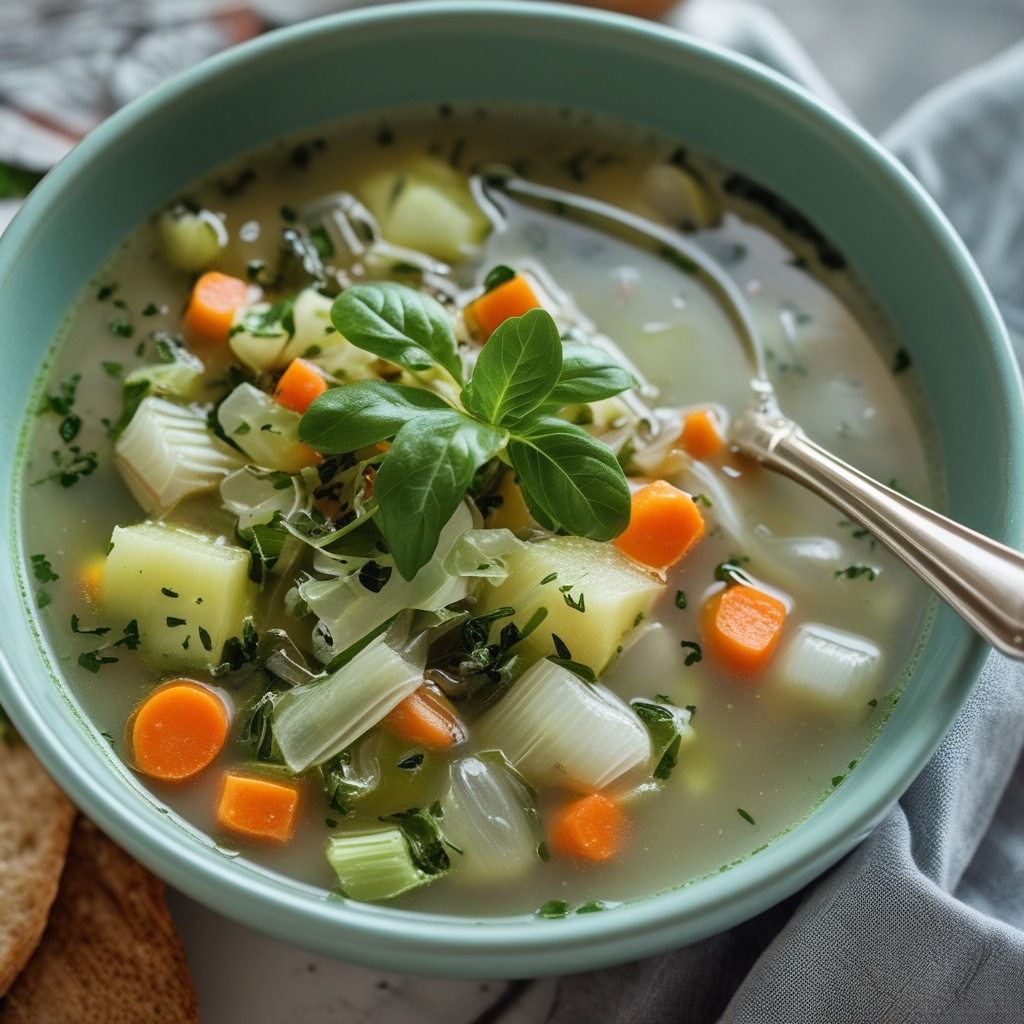
There’s nothing quite as comforting and nutritious as a warm bowl of Light vegetable soup. This wholesome dish combines seasonal vegetables, light broth, and aromatic herbs to create a meal that’s both satisfying and calorie-conscious. Whether you’re meal-prepping for the week, trying to eat healthier, or simply looking for a quick dinner option, this soup is the perfect choice. It’s rich in essential nutrients and fiber, easy to digest, and bursting with natural flavors that make every spoonful a delight.
From a nutritional standpoint, vegetable-based soups are packed with antioxidants, vitamins, and minerals that support a healthy immune system. They’re also an easy way to reduce food waste, as you can use nearly any vegetable that’s in your fridge. In this post, we’ll walk you through a simple, step-by-step approach to making this healthy soup at home, share cooking tips to elevate its flavor, and suggest creative variations to suit your taste preferences.
By following the guide below, you’ll learn not just how to make a heartwarming and delicious soup, but also how to optimize your time in the kitchen while maintaining the dish’s natural goodness.
—
Step-by-Step Instructions
The beauty of Light vegetable soup lies in its simplicity. You don’t need advanced culinary skills or specialty ingredients—just fresh produce, a few pantry staples, and a bit of time. Here’s how you can make it flawlessly every time.
Step 1: Gather Your Ingredients
Start with a base of fresh vegetables. Common choices include carrots, celery, zucchini, onions, and peas. You can also add leafy greens like spinach or kale for an extra nutritional boost. For the broth, choose low-sodium vegetable or chicken stock depending on your dietary preferences.
Optional add-ins: diced tomatoes, mushrooms, beans, or corn. Herbs such as thyme, basil, or parsley add aroma and freshness.
Step 2: Prep and Sauté
Begin by washing and chopping all your vegetables into bite-sized pieces. A uniform cut helps ensure even cooking. In a large pot, heat a tablespoon of olive oil over medium heat. Add onions and garlic first, then sauté until they become translucent and fragrant. This step builds a flavorful base that forms the heart of the soup.
Step 3: Build the Broth
Once your aromatics are ready, add the carrots, celery, and any other sturdy vegetables you’re using. Stir for a few minutes, allowing the flavors to meld. Pour in the vegetable or chicken broth and bring the mixture to a gentle boil. Reduce the heat and let it simmer; this will allow the vegetables to soften while releasing their natural sweetness.
Step 4: Add Soft Vegetables and Seasonings
After about 10–12 minutes, stir in softer vegetables like zucchini, peas, or spinach. Add salt, pepper, and herbs to taste. If you prefer a slightly tangy profile, a splash of lemon juice can brighten the soup beautifully. Simmer for another 5 minutes or until all ingredients are tender but not overcooked.
Step 5: Serve and Enjoy
Once cooked, taste and adjust the seasoning. Serve it hot in bowls, perhaps with a sprinkle of freshly chopped parsley or a drizzle of olive oil on top. For a heartier version, pair your soup with whole-grain bread or a small portion of rice noodles.
This simple five-step method ensures that every serving of your soup retains its texture, flavor, and nutritional value—perfect for both beginners and seasoned cooks.
—
Tips
Creating an exceptional vegetable soup is all about balance and customization. Here are several expert tips to elevate your dish:
– Flavor layering: Always build your flavors gradually. Start by sautéing garlic and onions before adding other ingredients—this enhances the soup’s natural depth.
– Don’t overcook: Keep an eye on cooking times. Vegetables should be tender, not mushy, to preserve texture and nutrients.
– Play with herbs: Instead of sticking to one, combine herbs like thyme and bay leaves for aroma and a sophisticated taste profile.
– Season at the end: Adjust salt and acidity once the soup has finished simmering—it prevents overseasoning and maintains a fresh flavor.
– Batch cooking: This soup freezes beautifully. Store portions in airtight containers for up to three months.
These small adjustments can dramatically improve the final result while aligning the dish with your dietary needs and preferences.
—
Alternative Methods
If you’re looking to experiment beyond the traditional stovetop method, these alternative techniques can transform your cooking process:
Pressure Cooker Version
A pressure cooker drastically reduces cooking time while locking in flavor. Simply sauté the aromatics in the cooker, add your vegetables and broth, and cook on high pressure for about five minutes. Quick release, stir, and serve—it’s that easy.
Slow Cooker Adaptation
If you prefer a “set-and-forget” approach, a slow cooker is ideal. Combine all ingredients in the pot, set it on low for six hours, and let the flavors gently meld throughout the day. This method yields a deeply infused broth with little effort.
Roasted Vegetable Twist
Roasting the vegetables before adding them to the soup introduces a smoky, caramelized edge. Bake diced vegetables with olive oil and salt at 400°F for 20–25 minutes. Then add them to your simmering broth for a rich, savory finish.
These alternative preparations show how adaptable this recipe can be. Whether you crave simplicity or complexity, you can always tailor the cooking process to match your time and taste.
—
Conclusion
Incorporating Light vegetable soup into your meal routine is one of the easiest ways to eat healthily without sacrificing flavor. It’s nourishing, affordable, and endlessly versatile—perfect for anyone seeking a balanced lifestyle. Whether enjoyed as a light lunch, a dinner starter, or a wholesome main course, it delivers warmth and satisfaction in every spoonful.
The recipe’s true beauty lies in its adaptability. You can modify the ingredients based on the season or whatever leftovers you have, ensuring minimal waste while enjoying maximum nutrition.
So, the next time you’re craving something both comforting and nutritious, try making this simple yet delicious soup. Not only will your body thank you, but your taste buds will too.