
Introduction
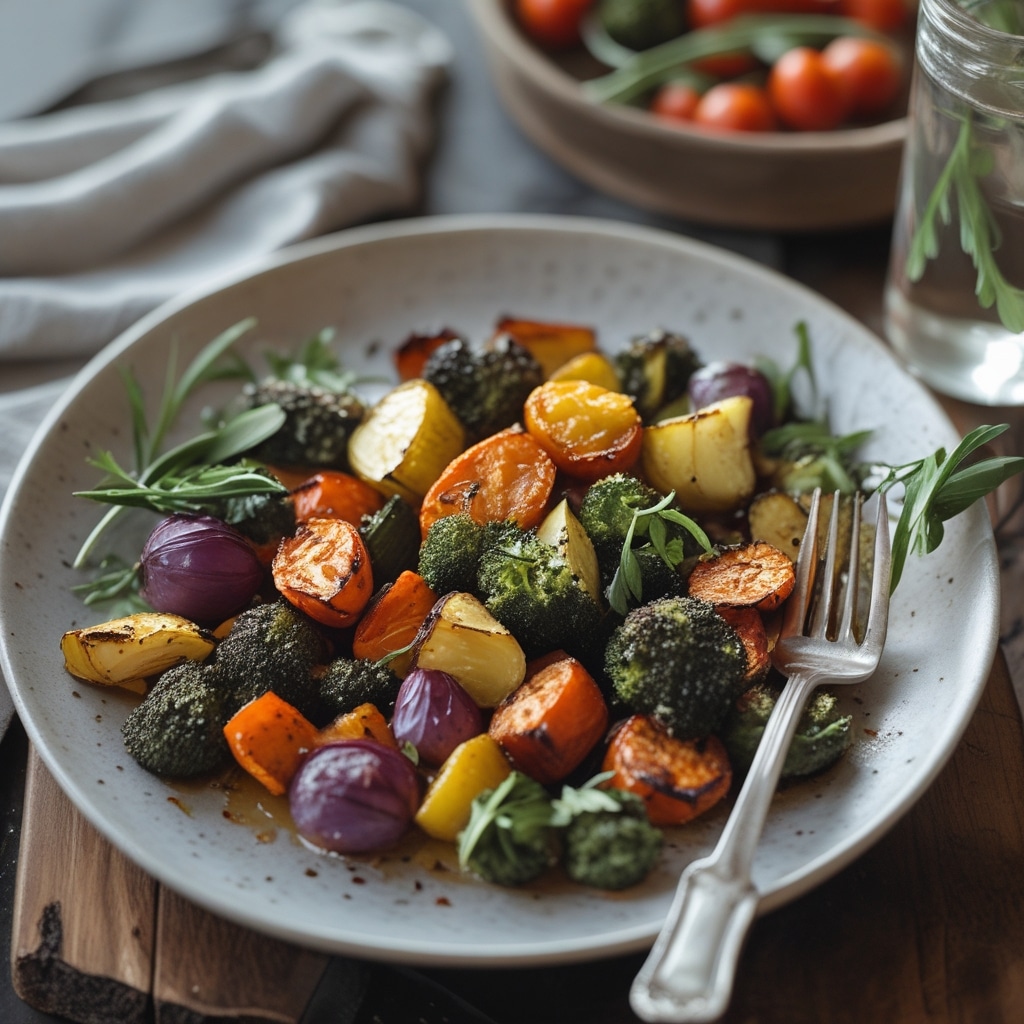
There’s nothing quite like the rich aroma and vibrant colors of Oven roasted vegetables wafting through your kitchen on a cozy evening. This recipe has become a favorite among home cooks and professional chefs alike due to its simplicity, nutritional power, and endless versatility. Whether you’re preparing a weekday side dish or building a wholesome plant-based meal, roasted vegetables offer a naturally sweet, caramelized flavor that transforms simple ingredients into something extraordinary.
Roasting vegetables is both a science and an art. It’s about understanding how heat interacts with different textures and flavors to create a balanced dish. A perfectly roasted vegetable should have crispy edges, tender flesh, and a depth of flavor that steaming or boiling can’t replicate. Data from culinary studies show that roasting at high temperatures enhances natural sugar development, contributing to both better taste and increased palatability.
In this comprehensive guide, we’ll explore everything from choosing the right vegetables to mastering the perfect temperature. You’ll learn practical, step-by-step methods, discover expert tips, and explore creative alternatives that make this classic preparation method exciting every time.
—
Step-by-Step Instructions
Step 1: Choose the Right Vegetables
Selecting high-quality vegetables is the foundation of a great roast. Choose a colorful mix such as bell peppers, carrots, zucchini, broccoli, and butternut squash. The combination of colors and textures adds aesthetic appeal and nutritional diversity. Starches like potatoes or sweet potatoes bring heartiness, while cruciferous vegetables like Brussels sprouts deliver a nutty dimension when roasted.
Step 2: Prepare and Cut Uniformly
Consistency in size ensures even roasting. Cut your vegetables into bite-sized pieces about one inch thick. Uniform cuts prevent overcooking some vegetables while others remain raw. For instance, dense vegetables like carrots and beets may need smaller cuts compared to zucchini to achieve even cooking.
Step 3: Season Thoughtfully
Seasoning is where your personal preferences shine. A simple blend of olive oil, sea salt, and freshly ground black pepper forms a strong base for flavor. To enhance depth, consider adding garlic powder, smoked paprika, or herbs like thyme and rosemary. These aromatics release their oils during roasting, permeating every piece with rich, savory notes.
Step 4: Preheat and Arrange
Preheat your oven to 425°F (218°C) — an optimal temperature for caramelization without burning. Line your baking sheet with parchment paper for easy cleanup. Spread the vegetables evenly in a single layer, ensuring proper airflow around each piece. Overcrowding traps steam, preventing crisp edges.
Step 5: Roast to Perfection
Now comes the magic of Oven roasted vegetables. Slide your tray onto the middle oven rack and roast for 20–30 minutes, depending on the type and size of the vegetables. Halfway through, use a spatula to toss them gently, ensuring even browning. The vegetables should emerge lightly charred, with golden edges and a tender, melt-in-your-mouth interior.
Step 6: Finishing Touches
Once roasted, drizzle with a touch more olive oil or a squeeze of lemon juice to bring freshness back into the dish. For a gourmet twist, sprinkle feta cheese, grated Parmesan, or toasted nuts on top. Serve immediately while warm, or store leftovers for use in salads, wraps, and grain bowls.
—
Tips
1. Master the Timing
Each vegetable has its ideal cooking time. Root vegetables like potatoes, carrots, and parsnips require the longest roasting periods, while softer veggies like zucchini and mushrooms roast faster. To optimize your oven usage, arrange your vegetables based on cooking time or roast them in separate batches.
2. Use the Right Oil
Olive oil is a classic choice for its richness and depth, but avocado oil works well too, especially since its high smoke point prevents burning. Avoid using butter for roasting—it tends to brown too quickly under high temperatures.
3. Maximize Crispiness
For extra crunch, ensure your vegetables are completely dry before adding oil. Any residual moisture can create steam, resulting in soggy vegetables. A light coating of oil will suffice—too much can lead to greasy results.
4. Experiment with Seasonings
Add a dash of balsamic vinegar near the end of roasting for a sweet-tangy finish, or toss in chili flakes for a subtle kick. Global flavor profiles—like curry spices, Mediterranean herbs, or East Asian soy-ginger marinades—can completely transform your dish.
5. Balance the Flavors
High heat brings out sweetness, but a little acidity helps balance the profile. A squeeze of lemon, a drizzle of vinegar, or a sprinkle of fresh herbs adds brightness to your roasted vegetables.
—
Alternative Methods
1. Air Fryer Roasting
If you’re short on time, the air fryer can mimic oven results with less oil and faster cooking. Set it to 400°F (204°C), toss your vegetables in oil and seasoning, and cook for 12–15 minutes. Shake the basket occasionally for even browning.
2. Pan Roasting on the Stovetop
In hot weather, avoid turning on the oven by pan-roasting. Use a cast-iron skillet to achieve similar caramelization. Keep heat on medium-high and toss frequently to prevent burning.
3. Grilling
Outdoor grilling adds a smoky essence impossible to replicate indoors. Brush vegetables lightly with oil and grill over medium heat, turning occasionally for balanced grill marks and tenderness.
4. Sheet Pan Meals
Transform your roasted vegetables into a full meal by adding protein. Toss in tofu cubes, chickpeas, or chicken pieces to create a one-pan dinner that’s both simple and satisfying.
—
Conclusion
Embracing the art of Oven roasted vegetables opens up a world of culinary creativity that’s as delicious as it is nutritious. This simple technique transforms everyday produce into a feast for the senses—crispy, colorful, and bursting with natural flavor. It’s a perfect example of how minimal ingredients and mindful preparation can yield extraordinary results.
Whether you’re fine-tuning your weekly meal prep or hosting a dinner party, roasted vegetables can stand alone as a centerpiece or pair seamlessly with grains, proteins, and sauces. With the methods and insights shared here, you’ll be able to craft beautifully caramelized, perfectly seasoned dishes time after time—proof that healthy eating doesn’t have to be complicated to be amazing.