
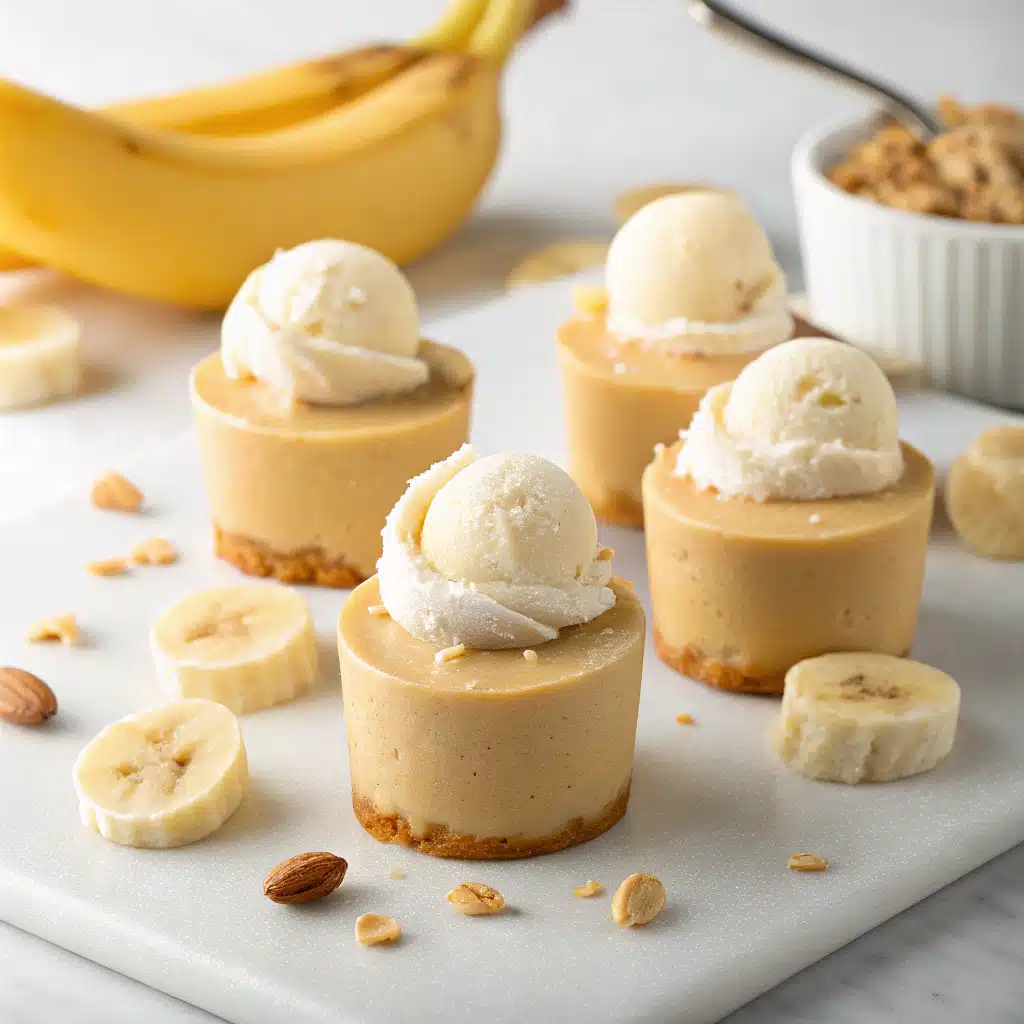
Introduction
When it comes to elevating your cooking experience, few things are as satisfying as mastering a collection of homemade recipes that balance flavor, nutrition, and creativity. Whether you’re an aspiring home chef or simply passionate about preparing wholesome meals for your loved ones, understanding the art and science behind cooking can transform ordinary dishes into restaurant-quality delights. This guide brings together practical techniques, evidence-based tips, and optimized step-by-step methods that make your kitchen adventures both enjoyable and rewarding.
In today’s digital landscape, food bloggers and culinary enthusiasts are thriving by sharing innovative dishes online. But behind every delicious post is careful planning, from ingredient selection to presentation. By following this structured blueprint, you’ll not only create flavorful meals but also craft content optimized for visibility, engagement, and shareability—a combination that fuels both your culinary confidence and your online presence.
—
Step-by-Step Instructions
Cooking is an intuitive process that grows stronger with repetition, precision, and experimentation. Below, we explore the essential steps to make sure your chosen recipes are flavorful, balanced, and visually appealing—characteristics that can help you stand out whether you’re posting to your blog, social media, or hosting a dinner party.
Step 1: Gather and Prep High-Quality Ingredients
Start by selecting fresh, seasonal produce and ethically sourced proteins. Locally sourced ingredients often carry richer flavors and higher nutrient density. Wash, peel, and chop your vegetables before beginning any heat process. This mise en place approach ensures smooth transitions between cooking stages and consistent timing across components.
Step 2: Set Up Your Cooking Environment
Before you heat the first pan, ensure that your workspace is clean and organized. Have tools like knives, measuring spoons, thermometers, and mixing bowls within reach. Good organization enhances focus and minimizes distractions during critical cooking moments such as searing, deglazing, or emulsifying ingredients.
Let your senses lead the way—listen for sizzles, monitor aromas, and observe color changes. These micro-cues often provide the earliest indications of correct temperature and timing.
Step 3: Master Flavor Balancing
The secret to memorable dishes lies in balance. Each culinary component—sweet, salty, sour, bitter, and umami—contributes to the overall sensory experience. Experiment with acidity from citrus or vinegars to brighten your meal, or add umami from mushrooms, miso, or soy-based ingredients to deepen complexity. Adjusting salt gradually throughout the process rather than all at once avoids overpowering delicate flavors.
Step 4: Apply Proper Cooking Techniques
From sautéing and roasting to grilling and poaching, technique is where good cooking meets great cooking. Each method enhances specific ingredient qualities. For instance, roasting vegetables caramelizes natural sugars, while steaming retains nutrients and color vibrancy. Use thermometers to avoid guesswork with meats and practice precision with simmering or stirring intervals to keep textures ideal.
Step 5: Presentation and Plating
Visual appeal enhances the dining experience significantly. Choose dishware that complements your food’s color and texture contrast. Garnish with fresh herbs, drizzle high-quality oils as finishing touches, and consider height and symmetry for a professional look. Beautifully plated dishes are not only satisfying to eat—they’re highly shareable content pieces for digital creators aiming to boost their social and search visibility.
—
Tips
Cooking smarter, not harder, is the cornerstone of efficiency and enjoyment. Use the following expert-backed strategies to elevate your culinary results—and create engaging digital content simultaneously.
Optimize Cooking Time
Batch-cook versatile components like grains, broths, and sauces. This allows quick assembly of multiple meals from one preparation session and reduces waste.
Keep It Seasonal
Seasonal ingredients are fresher, cheaper, and more sustainable. They also provide natural variety throughout the year, sparking creativity and aligning your cooking with eco-conscious trends.
Enhance Flavor with Minimal Effort
Use aromatics like garlic, onions, and herbs early in your process to build depth. A pinch of sea salt and freshly ground pepper added in layers produces a balanced flavor profile.
Test and Adjust
Don’t just follow a formula—personalize it. Taste as you go. This habit fine-tunes your palate and develops your instinct for seasoning and timing differences across ingredient brands or kitchen environments.
—
Alternative Methods
Every cook has a different rhythm and set of tools. The beauty of culinary artistry lies in adaptability—switching between approaches depending on your schedule, health goals, or equipment availability.
Plant-Based and Health-Focused Options
Swap animal proteins for legumes, tofu, or tempeh without losing texture or satisfaction. Roasted chickpeas or marinated mushrooms often mimic heartier flavors found in conventional dishes. Lower-oil methods like steaming or air-frying can drastically reduce calories while retaining crunch and tenderness.
Traditional vs. Modern Techniques
While traditional stovetop simmering and oven roasting remain reliable, modern alternatives like sous-vide, induction cooking, and air roasting optimize energy consumption and temperature consistency. These newer technologies allow for greater control, delivering consistent results with less guesswork.
Global Cuisine Fusion
Mix and match culinary influences. Combine Mediterranean herbs with Asian sauces or Latin spices for inventive flavor fusions. This approach not only reinvigorates classic dishes but also broadens your culinary skillset and digital content variety.
—
Conclusion
Culinary creativity thrives when structure meets freedom. By exploring a variety of recipes and embracing both tradition and innovation, you build a foundation that nurtures your cooking confidence and expands your digital storytelling potential. Pairing these mindful techniques with proper meal presentation and sustainable sourcing transforms food preparation from a daily chore into an enriching pastime.
For digital creators, understanding the connection between taste, storytelling, and visual appeal amplifies audience engagement and long-term growth. Every dish has a narrative—from the ingredients’ journey to your final presentation—and through mindful practice, you can share that story in ways that inspire others to cook, connect, and create.
Whether at home or online, your role as a modern food enthusiast is to cook with joy, adapt with intention, and serve with purpose. When passion meets process, the results are as rewarding to share as they are to savor.