
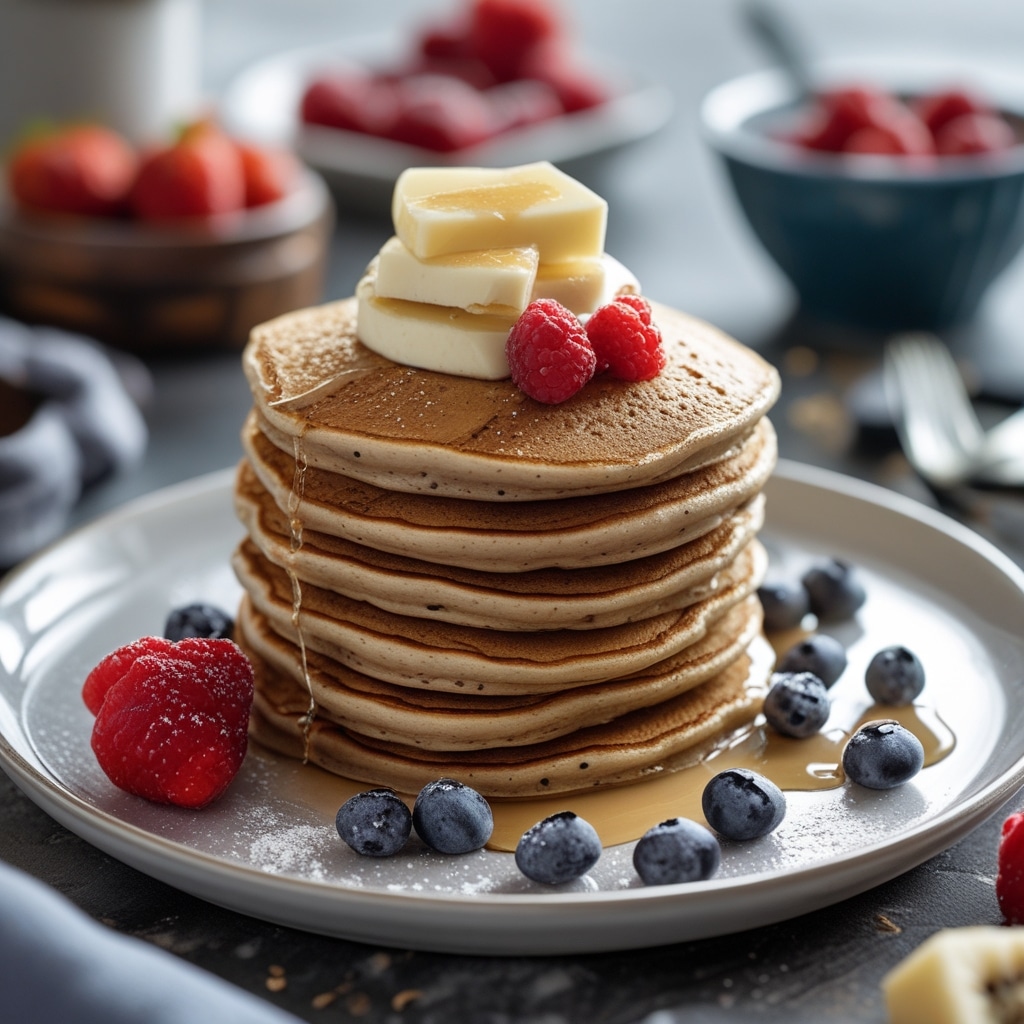
Healthy and Delicious Breakfast Reinvented: A Complete Guide
Introduction
Starting your morning with something nutritious, flavorful, and easy to prepare sets the tone for a productive day. For fitness enthusiasts, busy professionals, or anyone striving for a balanced diet, few breakfasts compare to the wholesome goodness of Protein Pancakes. These powerhouse pancakes deliver a perfect blend of complex carbohydrates, lean protein, and healthy fats — offering sustained energy while supporting muscle recovery and satiety.
Beyond their health benefits, these pancakes have evolved from a simple gym-buddy staple into a mainstream breakfast trend. According to Google search trends, interest in high-protein breakfast recipes has surged by over 80% in the last two years, proving that people are increasingly looking for tasty ways to meet their nutritional goals. This guide will walk you through every step of crafting the perfect recipe — from ingredients and preparation tips to creative variations that keep your morning routine from getting repetitive.
—
Step-by-Step Instructions
1. Gather the Essential Ingredients
To make the ultimate batch of Protein Pancakes, start with a balance of quality ingredients. You’ll need:
- 1 cup of rolled oats (or your favorite flour alternative)
- 1 ripe banana for natural sweetness
- 2 eggs or egg whites (use flaxseed substitute for a vegan version)
- 1 scoop of protein powder (vanilla or unflavored works best)
- ½ cup of almond milk or any milk of choice
- 1 teaspoon of baking powder
- A pinch of sea salt and cinnamon for flavor enhancement
This combination ensures optimal texture and nutrition while keeping the recipe simple and budget-friendly.
2. Blend the Batter
Add all the ingredients into a blender and process until smooth. Make sure to pause midway to scrape down the sides to avoid any leftover dry pockets of oats or protein powder. The goal is to achieve a consistency that’s thick yet pourable — similar to traditional pancake batter but with a slight protein-rich twist.
3. Preheat and Prepare Your Pan
Preheat a non-stick skillet on medium heat and lightly grease it with coconut oil or butter. Allow the pan to warm up for about 1–2 minutes before pouring the batter. Preheating ensures even cooking and that signature golden-brown color.
4. Pour and Cook
Pour approximately ¼ cup of batter for each pancake. Let them cook for 2–3 minutes per side or until bubbles form on the surface and the edges appear set. Flip carefully using a spatula and allow the other side to cook until evenly golden.
5. Stack and Serve
Once cooked, stack the pancakes on a plate and top them with your favorite additions — fresh berries, Greek yogurt, nut butter, or sugar-free syrup. Each topping enhances both flavor and nutritional value, giving your breakfast an extra boost of vitamins, fiber, and healthy fats.
—
Tips
1. Optimize Texture and Flavor
The perfect texture depends on the balance of liquid and dry ingredients. If your batter feels too runny, add a tablespoon of oats; if it’s too thick, splash in a little more milk. Cinnamon, vanilla extract, or cocoa powder can be incorporated to enhance taste without adding extra calories.
2. Nutrition-Enhancing Additions
To further elevate your pancakes’ nutritional profile:
- Add chia seeds or flaxseed meal for omega-3 fatty acids.
- Incorporate shredded zucchini or carrots for extra fiber.
- Top with almond butter and sliced bananas to increase potassium intake.
These small tweaks can significantly improve the overall nutrient density of your breakfast.
3. Storage and Meal Prep
If you’re short on time during the week, prepare a large batch and store them in an airtight container. They’ll last up to four days in the refrigerator or can be frozen for up to a month. Reheat them in the microwave or toaster for a fast, healthy meal even on your busiest mornings.
—
Alternative Methods
1. Vegan-Friendly Option
For those following a plant-based diet, substitute the eggs with two tablespoons of flaxseed meal mixed with six tablespoons of water (“flax eggs”) and exchange the whey protein for a plant-based alternative such as pea or hemp protein. Use oat milk instead of dairy milk for a smooth vegan version that retains all the flavor and fluffiness.
2. Gluten-Free Variation
If you’re sensitive to gluten, choose certified gluten-free oats or replace them with almond flour or buckwheat flour. Both alternatives maintain a light, satisfying texture while being gentle on digestion.
3. High-Fiber and Low-Sugar Version
For a lower-sugar version, skip the banana and use unsweetened applesauce instead. Add a tablespoon of psyllium husk or oat bran to increase fiber content, which helps stabilize blood sugar levels and prolong feelings of fullness — ideal for weight management or low-carb diets.
4. Creative Flavor Profiles
Experiment with flavors inspired by international cuisines:
- Blueberry-Lemon Delight: Add fresh lemon zest and blueberries for a refreshing twist.
- Matcha Infusion: Mix in 1 teaspoon of matcha powder for an earthy, antioxidant-rich variant.
- Chocolate Lovers’ Dream: Add a tablespoon of cocoa powder and top with dark chocolate chips for a guilt-free indulgence.
—
Conclusion
Creating your own Protein Pancakes at home offers both nutritional benefits and creative satisfaction. With their simple ingredients, endless variations, and adaptability to dietary preferences, they’re not just a fitness trend but a genuinely sustainable breakfast solution. Whether you’re fueling up after a workout, preparing a family-friendly morning meal, or experimenting with healthy recipes, these pancakes embody balance, flavor, and flexibility.
By incorporating them regularly into your diet, you’ll enjoy lasting energy, improved muscle recovery, and a delicious reason to look forward to breakfast every day. So grab your blender, stock up on wholesome ingredients, and start flipping your way to a healthier morning — one pancake at a time.