

Growing up in Kyoto, I often watched my grandmother’s careful hands shaping dough on a worn wooden board. Though her recipes were mostly Japanese, she loved experimenting with simple, humble foods from other cultures. When she showed me how to make unleavened bread—a flat, soft bread made without yeast—it felt like watching a story unfold through her fingers. This recipe for unleavened bread became a favorite of mine because of its beautiful simplicity and quiet strength.
When I moved to California, I kept making this bread, sometimes alongside miso soup or honey butter. Its crisp edges remind me of the rice crackers I loved as a child, but the heart of it—flour, oil, salt, and water—connects deeply to tradition and faith. Whether you prepare this recipe for unleavened bread for Communion, Passover, or a wholesome snack, you’ll love how quickly it comes together and how it fills your home with warmth.
I often think of my grandmother’s words: “Cooking is love made visible.” And this recipe shows that perfectly—simple, honest, and nourishing. It’s proof that the most meaningful foods come from the simplest ingredients.
Ingredients for Unleavened Bread
What You’ll Need for Authentic Unleavened Bread
This recipe for unleavened bread is as pure and flexible as it gets. Just four basic ingredients—no yeast, no baking powder—create a golden, flavorful bread that works beautifully for everyday meals or sacred occasions. Here’s exactly what you need:
| Ingredient | Quantity | Notes & Substitutions |
|---|---|---|
| All-purpose flour | 1 cup | Can substitute with whole wheat flour for extra fiber. |
| Vegetable or olive oil | ⅓ cup | Olive oil adds flavor depth; coconut oil adds a hint of sweetness. |
| Salt | ⅛ teaspoon | Adjust to taste; sea salt gives a mild flavor. |
| Water | ⅓ cup | Use warm water for a softer texture. |
These four ingredients come together in just minutes. The dough is soft, pliable, and easy to shape—ideal for quick baking. If you want your bread slightly softer instead of crisp, try using a touch more oil and water, or brush the top with olive oil before baking.
How to Make Unleavened Bread (Step-by-Step Guide)
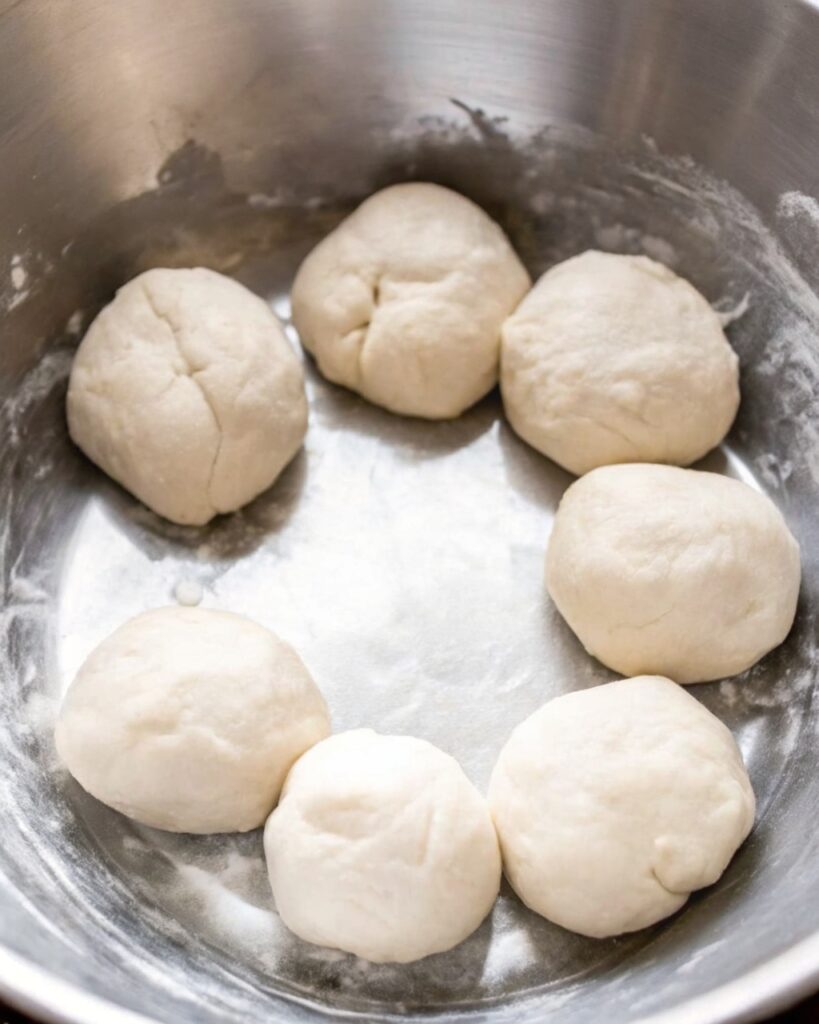
How to Make the Perfect Unleavened Bread Dough
Making the perfect recipe for unleavened bread is simple but deeply satisfying. Every step feels grounding, connecting you to generations of bakers who relied on nothing but their hands and a few humble ingredients. Here’s how to turn flour, oil, salt, and water into warm, golden bread you’ll want to make again and again.
Step 1 – Mix the Ingredients
In a large bowl, combine the flour and salt. Gradually add the oil, stirring with your fingertips until the mixture becomes crumbly and lightly coated. Slowly pour in the water while stirring with a wooden spoon or your hands. The dough should start to come together easily — soft but not sticky.
Step 2 – Knead Until Smooth
Transfer the dough to a lightly floured surface and knead it for about 3 minutes. This step helps create a smooth texture even without yeast. The dough should feel elastic but firm, holding its shape. If it’s too dry, add a teaspoon of water at a time; if it’s too sticky, dust with flour.
Step 3 – Divide and Shape
Cut the dough into six even-sized pieces. Roll each one into a ball, then flatten with your palm or rolling pin into disks about 1/8-inch thick. Keep them even to ensure uniform baking. For a softer recipe for unleavened bread, leave the disks slightly thicker.
Step 4 – Bake to Perfection
Preheat your oven to 425°F (220°C) and line a baking sheet with parchment paper. Place the dough disks on the sheet, spacing them slightly apart. Bake for 8–10 minutes, or until lightly golden around the edges. For crisper bread, bake an additional 2–3 minutes.
Step 5 – Optional Soft Finish
For a soft and tender texture, brush each piece with olive oil as soon as it comes out of the oven. Wrap them in a clean kitchen towel to trap steam while they cool — a simple trick that keeps your unleavened bread pliable.
Tips for the Perfect Unleavened Bread
- For Softer Texture: Add ½ tablespoon more oil and brush the tops after baking. Let the bread rest under a towel for 5 minutes.
- For Crispier Bread: Roll thinner and bake slightly longer, watching closely to prevent over-browning.
- Flavor Variations: Try adding herbs like rosemary or sesame seeds for aroma and flavor.
This recipe for unleavened bread bakes quickly and stores beautifully. Once cooled, keep the bread in an airtight container for up to three days or refrigerate for a week. If you prefer a toasted edge, reheat it in a dry pan for a few seconds on each side.
Consistency & Texture Guide
Use this quick reference to customize your unleavened bread recipe based on your desired result:
| Preference | Technique | Baking Time | Texture |
|---|---|---|---|
| Soft Bread | Add extra oil and water; keep dough slightly thick | 8–9 mins | Tender, flexible |
| Crisp Bread | Roll thin; reduce oil slightly | 10–12 mins | Crunchy, cracker-like |
| Nutty Flavor | Use whole wheat flour | 9–10 mins | Heartier, rustic taste |
Every time I bake this bread, I’m reminded of how simplicity can bring calm. Watching the dough rise slightly under heat—without yeast—feels like a quiet miracle. It’s honest food. Whether you serve it with soup, hummus, or soy glaze, this recipe for unleavened bread is proof that good things don’t need complexity.
You can explore more creamy, protein-packed inspirations in my Specialty Breads Collection and discover more cottage cheese-based dishes on Greaty Recipes’ .
Serving & Storing Unleavened Bread
How to Serve and Store Homemade Unleavened Bread
There’s something beautiful about the versatility of this recipe for unleavened bread — it’s simple enough for everyday meals yet meaningful enough for sacred traditions. In my kitchen, this bread moves easily from Communion tables to cozy breakfasts with butter and honey, and even to weeknight dinners with a warm bowl of soup.
Unleavened bread is all about balance. Its neutral flavor makes it an excellent companion for both savory and sweet dishes. Here’s how I love to serve it:
1. As a Side for Soups or Stews
Tear a piece and dip it into a hearty stew or miso soup. The crisp edges soak up flavor beautifully, while the tender center holds together.
2. As a Base for Dips and Spreads
This recipe for unleavened bread makes the perfect vessel for spreads. Serve it warm with olive oil and herbs, or try hummus, baba ghanoush, or avocado mash. The light texture and mild saltiness highlight the richness of the dips.
For a cross-cultural twist, brush the bread with sesame oil and top it with shichimi togarashi or miso glaze for an umami-packed snack that nods to my Kyoto roots.
3. As Communion or Passover Bread
Of course, this bread’s heritage lies in its sacred role. Many use this recipe for unleavened bread for Communion or Passover celebrations, where it represents simplicity and humility. When baked lightly and broken by hand, it becomes a symbol of connection and remembrance — much like the foods my grandmother made to bring our family together.
4. As a Snack or Wrap
If you roll the dough slightly thicker, you can use the bread as a wrap. Fill it with grilled vegetables, tofu, or roasted chicken for a light lunch. When crisp, it also makes a wonderful snack when brushed with honey or sprinkled with cinnamon sugar.
How to Store and Reheat
To keep your unleavened bread soft and fresh, wrap it in a clean kitchen towel once cooled, then store it in an airtight container at room temperature for up to three days. For longer storage, refrigerate for up to one week.
To reheat, simply place the bread on a dry skillet for 15–20 seconds per side or in a warm oven for 3 minutes. Avoid microwaving, as it can make the texture rubbery.
Cultural Connection
Serving this recipe for unleavened bread reminds me that food connects cultures effortlessly. In Japan, I learned the beauty of balance — never too rich, never too plain. Here in California, I’ve found that balance again through this bread: it’s light but grounding, ancient yet timeless. Whether served with miso, hummus, or honey, it bridges tradition and today in every bite.
Nutrition & Health Benefits of Unleavened Bread
Why Homemade Unleavened Bread Is a Wholesome Choice
When I first began baking this recipe for unleavened bread, I was amazed by its purity — no yeast, no preservatives, no unnecessary sugar. Just four natural ingredients that come together to create something nourishing and grounding. This bread reminds me of my grandmother’s philosophy: “If your food is simple, your heart stays pure.”
Unleavened bread provides a clean, satisfying carbohydrate source that complements both vegetarian and meat-based meals. It’s lighter than most loaves but still offers enough body to make you feel full without the heaviness of yeast breads. When made with high-quality flour and olive oil, it’s not only flavorful but also heart-friendly.
Nutrition Breakdown per Serving
Here’s a quick glance at the nutritional profile for one serving (based on the base recipe for unleavened bread — 1/6 of the batch):
| Nutrient | Amount per Serving | % Daily Value* |
|---|---|---|
| Calories | 183 | 9% |
| Total Fat | 12g | 16% |
| Saturated Fat | 2g | 10% |
| Carbohydrates | 16g | 6% |
| Protein | 2g | 4% |
| Sodium | 49mg | 2% |
| Dietary Fiber | 1g | 2% |
Health Insights
1. Low in Sugar and Additives
Unlike most store-bought bread, this recipe for unleavened bread contains no sugar or preservatives. It’s ideal for those looking to reduce processed foods without sacrificing taste.
2. Heart-Healthy Fats
Using olive oil adds monounsaturated fats that support heart health. You can also swap it with avocado oil for a lighter, smoother flavor.
3. Rich in Whole-Grain Options
If you choose whole wheat flour, you’ll gain extra fiber, B vitamins, and a nutty taste.
4. Perfect for Special Diets
This bread is naturally dairy-free, vegan, and low in sodium
Mindful Eating, Ancient Roots
What I love most about this recipe for unleavened bread is how it fits effortlessly into mindful living. Eating slowly, breaking a warm piece by hand, and savoring each bite connects us to something timeless. It’s food stripped down to its essence — simple, nourishing, and deeply human.
If you want more nourishing dishes made with this same philosophy, try my Healthy Snack Ideas for wholesome, easy pairings.
FAQs About Recipe for Unleavened Bread
1. How do you make unleavened bread soft instead of crispy?
To make it soft, add a touch more oil and water to the dough, and cover the bread with a towel right after baking to trap moisture.
2. Can I make unleavened bread with whole wheat flour?
Yes. Whole wheat flour adds texture, flavor, and fiber. Just add an extra tablespoon of water for flexibility.
3. What is unleavened bread used for?
It’s used for Communion, Passover, or as a daily bread for wraps, snacks, or dipping in soups and sauces.
4. Does unleavened bread need to rest before cooking?
A short 5-minute rest helps relax the gluten, making the dough easier to roll and less likely to crack.
Conclusion
This recipe for unleavened bread celebrates simplicity. With four pantry ingredients and less than 20 minutes, you can make bread that’s versatile, symbolic, and nourishing. Whether served during sacred traditions or as a daily staple, each piece tells a story — one of patience, balance, and love.
Just like my grandmother’s kitchen in Kyoto, every loaf begins with care and ends with connection. And that’s the real beauty of cooking
Print
Recipe for Unleavened Bread: Simple, Authentic & Delicious
- Total Time: 20 minutes
- Yield: 6 servings 1x
Description
This simple recipe for unleavened bread uses only four ingredients—flour, oil, salt, and water—to create a tender, golden flatbread perfect for Communion, Passover, or daily meals.
Ingredients
1 cup all-purpose flour
⅓ cup vegetable or olive oil
⅛ teaspoon salt
⅓ cup water
Instructions
1. Preheat oven to 425°F (220°C). Line a baking sheet with parchment paper.
2. In a bowl, mix flour and salt.
3. Add oil gradually and mix until crumbly.
4. Slowly add water until a soft dough forms.
5. Knead for 3 minutes until smooth.
6. Divide into 6 pieces, roll into balls, and flatten into thin disks.
7. Place disks on the baking sheet and bake 8–10 minutes or until golden.
8. For softer bread, brush with olive oil immediately after baking.
Notes
For a softer texture, use a bit more oil and water, and wrap the bread in a towel after baking.
For crispier bread, roll thinner and bake slightly longer.
You can substitute whole wheat flour for added fiber and flavor.
Best served warm with soup, honey, or olive oil.
- Prep Time: 10 minutes
- Cook Time: 10 minutes
- Category: Bread
- Method: Baked
- Cuisine: International
Nutrition
- Serving Size: 1 piece
- Calories: 183
- Sugar: 0g
- Sodium: 49mg
- Fat: 12g
- Saturated Fat: 2g
- Unsaturated Fat: 10g
- Trans Fat: 0g
- Carbohydrates: 16g
- Fiber: 1g
- Protein: 2g
- Cholesterol: 0mg