
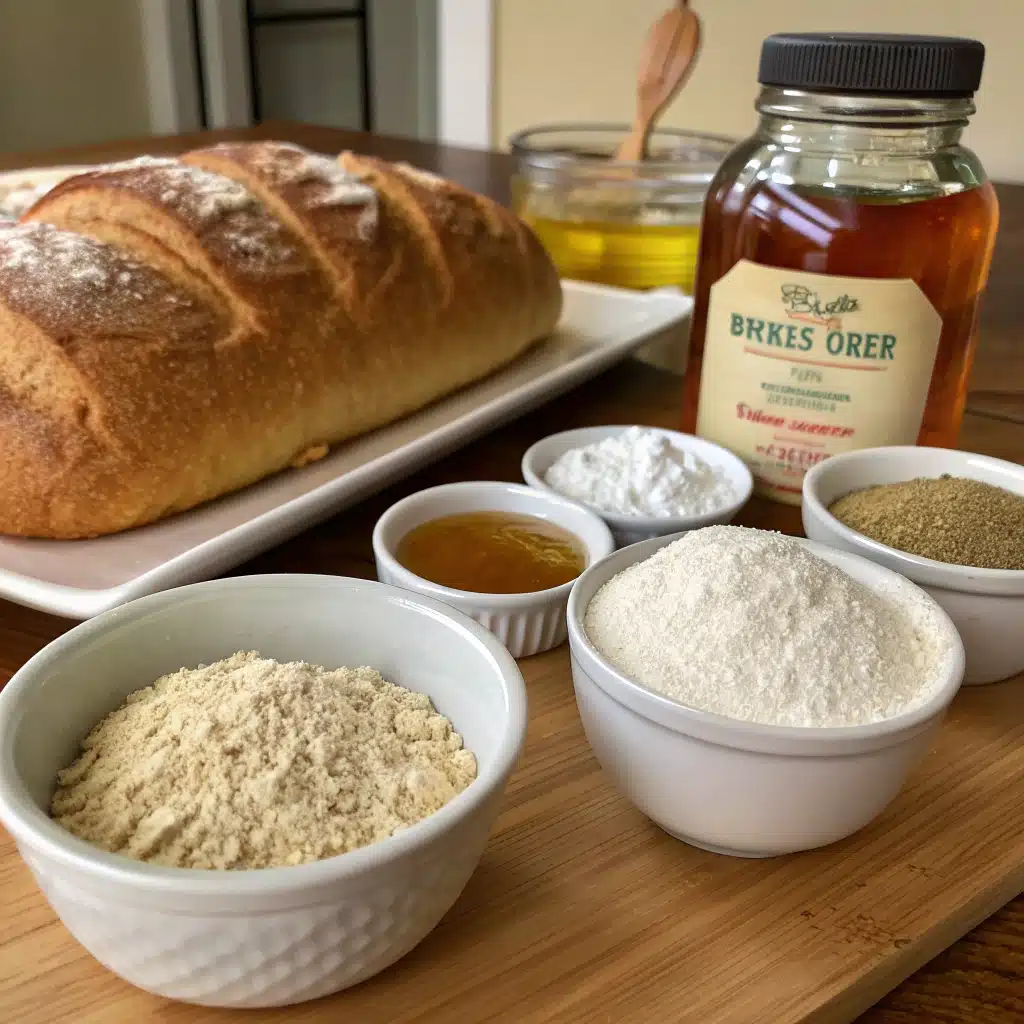
The Best Ingredients to Improve Bread Flavor and Texture
Bread baking is often described as an art, but at its heart, it is a science governed by the quality of its components. Many home bakers focus intensely on technique—kneading, proofing times, and oven temperature—but often overlook the profound impact of the foundational ingredients. The difference between a bland, crumbly loaf and an artisan-quality bread with a complex aroma and satisfying chew often comes down to intentional ingredient selection. This article serves as your comprehensive guide to upgrading your pantry staples to achieve superior flavor and texture in every loaf you bake.
Understanding the Core Concept: Flavor is Developed, Not Added
The most crucial concept in high-quality bread making is that flavor is not simply added through spices or inclusions; it is developed through the careful interaction of core ingredients during the long process of fermentation and baking. Yeast and bacteria (especially in sourdough) consume sugars in the flour, producing organic acids, alcohols, and complex aromatic compounds. The quality of your ingredients dictates the complexity and richness of the raw materials available for this transformative process. A high-quality flour gives the yeast more to work with, while better salt controls the rate of development, and proper hydration ensures the texture remains moist and open.
Image Prompt 1: a realistic photo of three small bowls containing different flours: one with finely ground white bread flour, one with darker whole wheat flour, and one with a rich, speckled rye flour, emphasizing the difference in texture and color.
Key Factors and Principles

Three main ingredient factors dictate the final outcome of your bread: the type of starch (flour), the quality of the moisture (water), and the control mechanism (salt).
Flour: The Foundation of Structure and Taste
Flour is not just filler; it is the single most important ingredient. The protein content (gluten) determines texture, while the mineral content contributes significantly to flavor.
* **Protein Content and Texture:** Bread flour, typically 12–14% protein, is essential for developing a strong gluten network, resulting in a lofty rise and a chewy, open crumb structure. All-purpose flour (around 10–11%) will yield a softer, less chewy texture, better suited for quick breads or soft rolls.
* **Mineral Content (Ash Content):** When flour is milled, the amount of bran and germ included determines the “ash content.” Higher ash content flours (like whole wheat or artisanal white flours) contain more minerals, which act as flavor enhancers and provide a deeper, nuttier taste profile compared to highly refined, low-ash white flours.
Water: More Than Just Hydration
While tap water is acceptable, understanding its characteristics can improve your results. Water quality affects yeast activity and gluten development.
* **Chlorine:** Highly chlorinated water can inhibit yeast activity. If you detect a strong chlorine odor, let the water sit out in an open container for an hour or two before mixing your dough, allowing the chlorine to dissipate.
* **Mineral Hardness:** Water with moderate mineral content (hard water) can help strengthen the gluten structure, resulting in a firmer dough. Very soft water can sometimes lead to sticky, weaker doughs.
Salt: The Essential Controller
Salt is critical for flavor balance and controlling fermentation. Without salt, yeast ferments too quickly, producing a bland, overly yeasty flavor, and the gluten structure relaxes too much.
* **Type of Salt:** Fine-grain non-iodized salt (like fine sea salt or kosher salt) dissolves easily and distributes uniformly throughout the dough. Avoid iodized table salt, as the iodine can sometimes interfere with yeast activity, and the anti-caking agents can affect texture.
Practical Methods and Techniques
Improving your bread requires intentional ingredient upgrades and slight adjustments to your mixing process.
Upgrade Your Flour Game
Beyond standard bread flour, experiment with integrating specialty grains for flavor depth:
* **Use a Preferment (Poolish or Biga):** Before mixing the main dough, create a small preferment using 10–20% of your total flour and water, letting it ferment for 12–16 hours. This process unlocks complex flavors in the flour before the main bake, adding depth and nuance.
* **Integrate Whole Grains:** Replace 15–25% of your white flour with whole wheat, spelt, or rye flour. These additions drastically increase flavor complexity, but remember that whole grains absorb more water and inhibit gluten slightly, so a longer autolyse (resting period before adding salt/yeast) is beneficial.
Fat and Enrichment for Texture
While lean artisan breads rely only on the core four ingredients, enriched breads (like brioche or sandwich loaves) use fats, dairy, and eggs to soften the crumb and enhance richness.
* **Butter Quality:** Use high-quality, unsalted butter with a high fat content (European-style butter). The higher fat content contributes to a silkier crumb and richer flavor.
* **Milk Powder:** Adding non-fat dry milk powder (around 3% of the total flour weight) can improve water absorption, resulting in a softer, more tender crumb and extending the bread’s shelf life.
Image Prompt 2: a close-up, educational photo of a baker gently folding a shaggy dough mass in a large metal bowl, showing the beginning stages of gluten development during the bulk fermentation process.
Aromatics and Inclusions
For added complexity, consider ingredients that enhance the existing savory profile:
* **Malted Barley Flour:** A tiny amount (0.5% of flour weight) of diastatic malt powder provides enzymes that help break down starch into sugars, improving crust browning (color) and slightly enhancing yeast activity and flavor.
* **Toasted Seeds and Nuts:** Toasting seeds (like sesame or sunflower) or nuts before incorporating them into the dough dramatically intensifies their flavor, preventing them from tasting raw or muted in the final product.
Common Mistakes and How to Avoid Them
Even with the best ingredients, small errors can undermine flavor and texture.
Mistake 1: Under-Salting or Over-Salting
**The Problem:** Too little salt results in a sticky, slack dough and a bland, quick-fermented loaf. Too much salt kills the yeast and makes the bread taste metallic.
**The Fix:** Always weigh your salt. The ideal ratio for most lean bread doughs is 1.8% to 2.2% of the total flour weight.
Mistake 2: Using Rancid or Old Flour
**The Problem:** Whole grain flours, due to the presence of oils in the germ, can go rancid quickly, especially if stored at room temperature. Rancid flour imparts an off-flavor to the final bread.
**The Fix:** Store whole grain flours and specialty flours in an airtight container in the freezer or refrigerator. Always smell your whole wheat flour before using it; it should smell sweet and nutty, not paint-like or bitter.
Mistake 3: Insufficient Hydration for Specialty Flours
**The Problem:** Whole wheat and rye flours absorb significantly more water than white flour due to the presence of bran. If you use the same hydration percentage, the dough will be dry and dense.
**The Fix:** When substituting 20% or more of white flour with whole grain flour, increase the overall hydration by 3–5%. Whole grains need time to absorb this extra water, making the autolyse step even more crucial.
Tips, Best Practices, and Variations

To truly elevate your bread, focus on these final details and techniques.
The Power of Temperature Control
Flavor development is directly linked to fermentation time and temperature. Cooler temperatures (e.g., cold proofing in the refrigerator for 12–24 hours) slow down the yeast but allow the acetic and lactic acid bacteria (especially in sourdough) to produce more complex, nuanced flavors. A long, cold proof is the single best technique for maximizing flavor development.
The Benefits of Scalding
For extremely flavorful rye or whole wheat breads, consider the “scalding” technique. Pour boiling water over a portion of the flour (often 10–20% of the total flour) and let it cool. This process gelatinizes the starches, which locks in moisture, enhances sweetness, and drastically improves the tenderness and shelf life of the final loaf, a technique common in Nordic baking.
Image Prompt 3: a realistic, close-up photo of a perfectly baked, dark brown rustic loaf of sourdough bread cooling on a wire rack, showing a crisp crust and an open, slightly moist crumb visible where the bread was scored.
FAQ
Q: Does the type of yeast I use affect flavor?
A: Yes. While commercial active dry or instant yeast provides a consistent rise, it contributes a relatively neutral flavor. Sourdough starter (wild yeast and bacteria) develops far more complex organic acids, resulting in a tangier, more layered flavor profile.
Q: Can I substitute honey or sugar for flavor?
A: While honey and sugar add sweetness and aid in crust browning, they are not necessary for fermentation in lean breads. They primarily enrich the dough. If adding them, ensure they constitute no more than 5% of the flour weight, or they can inhibit gluten development.
Q: How can I improve the crust flavor and color?
A: A deep, rich crust color (and thus flavor) comes from the Maillard reaction, which requires both heat and residual sugar. Using a tiny amount of diastatic malt powder, ensuring adequate hydration, and baking at high heat (450°F to 500°F) with steam for the initial 15 minutes will achieve a superior crust.
Conclusion
Achieving exceptional bread is a journey that starts long before the mixing bowl—it begins with informed ingredient selection. By understanding how flour, water, and salt interact, and by intentionally introducing high-quality specialty ingredients like whole grains, malt, and high-fat dairy, you move beyond simply making bread and begin crafting truly flavorful, complex loaves. Embrace the subtle science of your pantry, prioritize quality over convenience, and watch as your baking transforms from good to truly great.