
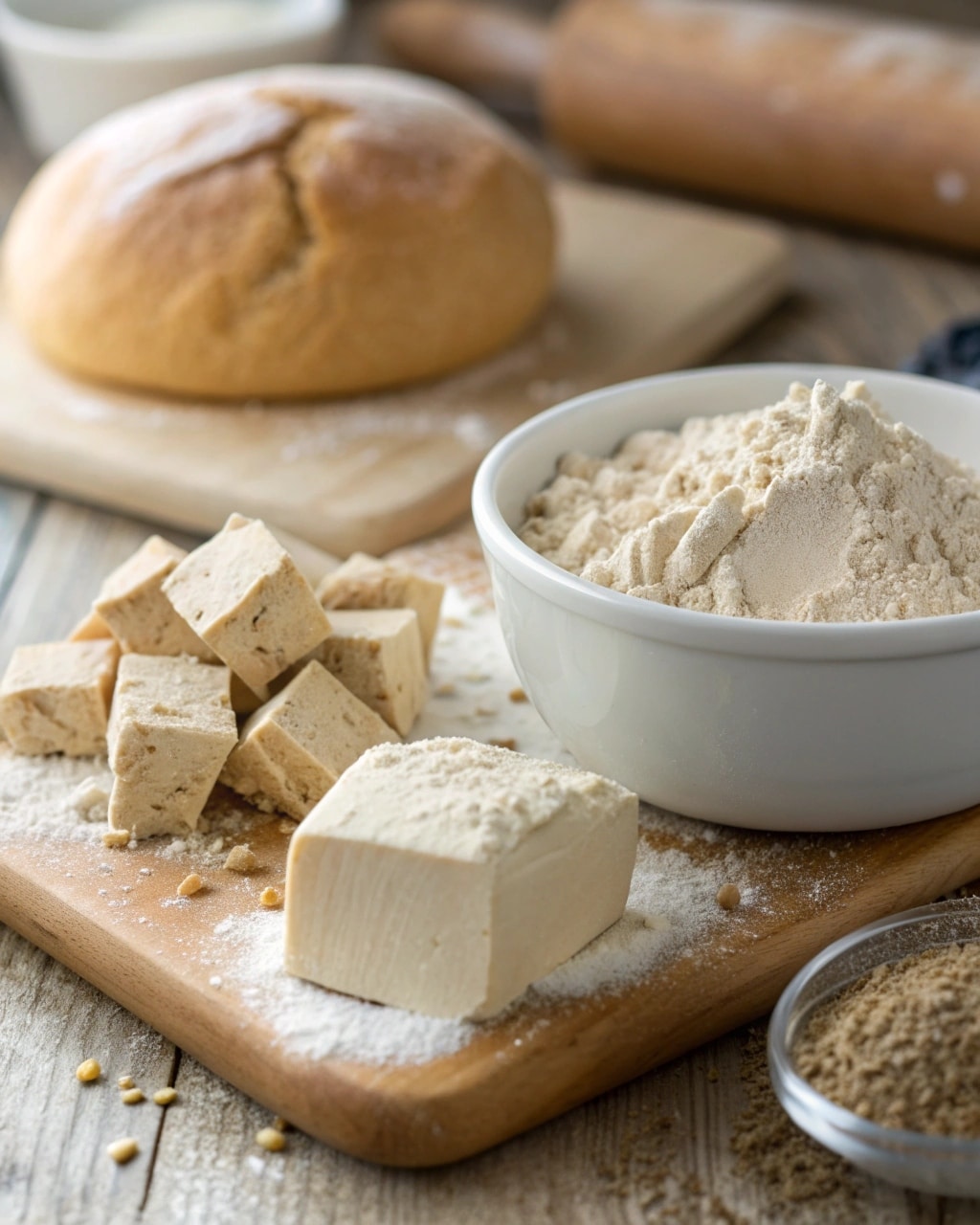
Yeast is one of the most important—and most misunderstood—ingredients in bread baking. A small amount of yeast can transform simple flour and water into a light, airy, flavorful loaf. Yet many bread problems, from dense crumbs to poor rise, are caused by incorrect yeast selection or usage.
In this ultimate guide, you’ll learn everything you need to know about yeast: how it works, the different types available, when to use each one, and practical tips to help you achieve consistent, bakery-quality results.
What Is Yeast and How Does It Work?
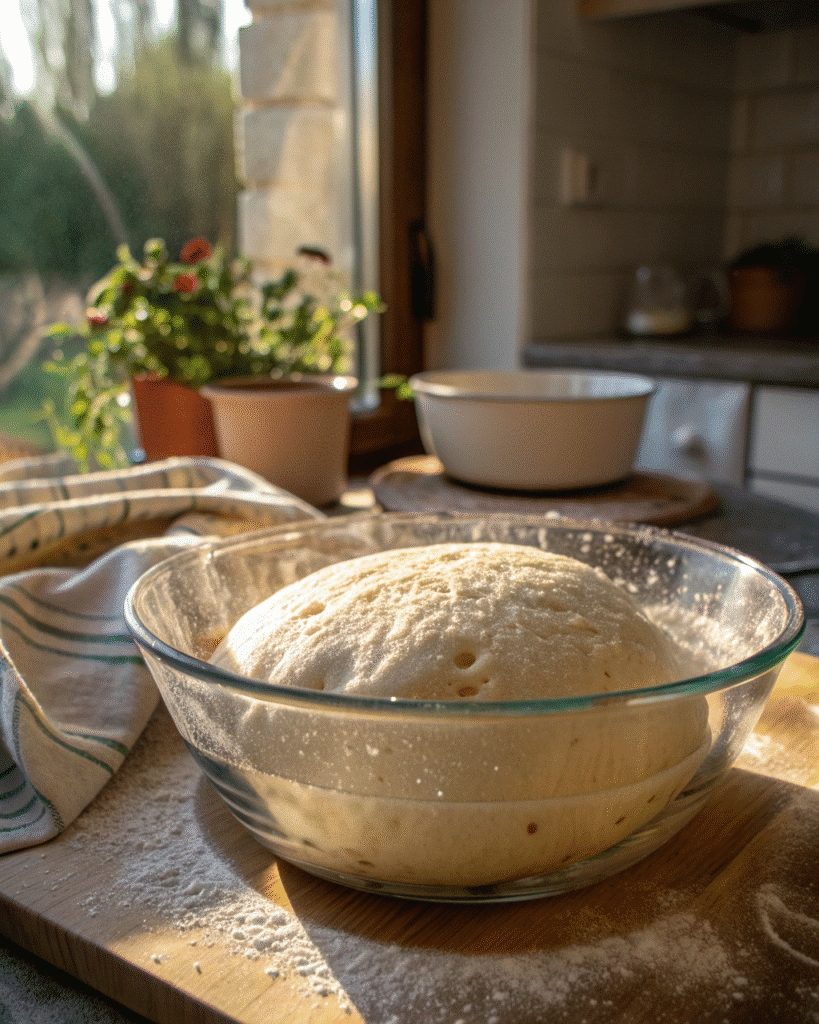
Yeast is a living microorganism (a type of fungus) that feeds on sugars in dough. As it consumes sugar, it produces:
- Carbon dioxide (CO₂) → creates air pockets and rise
- Alcohol → contributes to flavor (evaporates during baking)
This process is called fermentation, and it is the foundation of bread structure, texture, and taste.
Main Types of Yeast Used in Baking
1. Active Dry Yeast
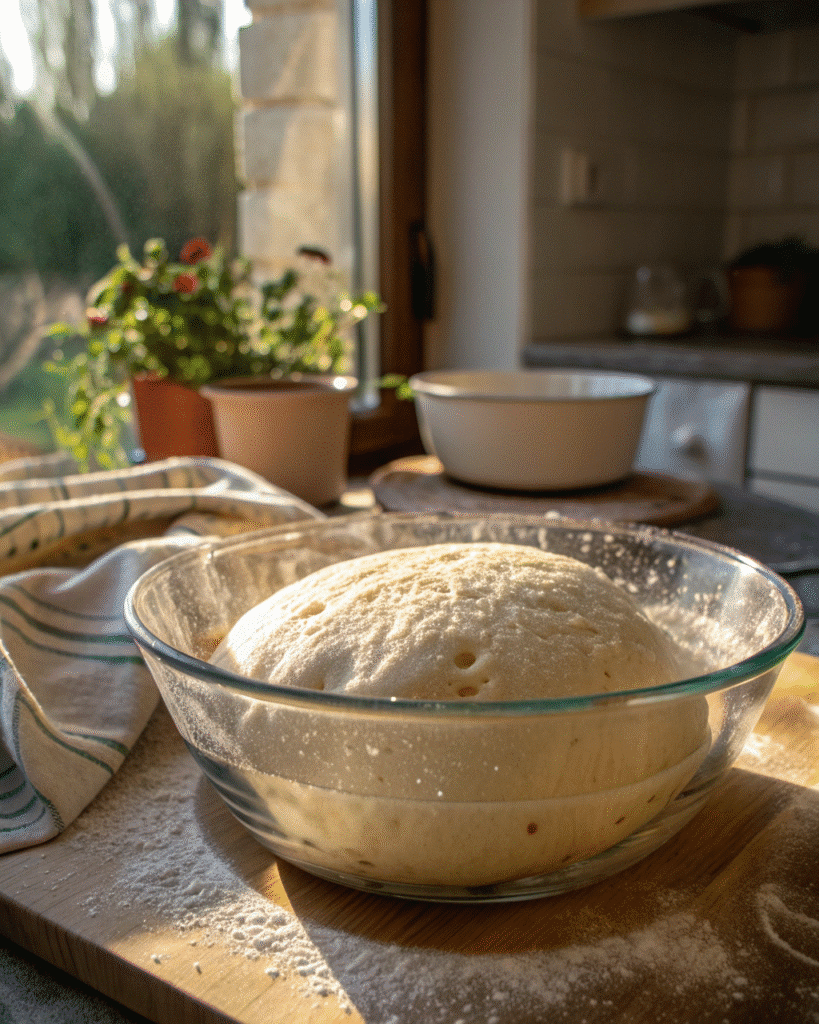
Active dry yeast is one of the most common forms available.
Characteristics:
- Granulated texture
- Needs to be dissolved in warm water before use
- Slower fermentation compared to instant yeast
Best Uses:
- Traditional bread recipes
- Long fermentation doughs
- Home bakers who enjoy a classic method
Tips:
- Water temperature should be around 40–43°C (105–110°F)
- If the yeast doesn’t foam, it may be inactive
2. Instant Yeast (Fast-Acting or Rapid-Rise Yeast)
Instant yeast is more finely milled and highly active.
Characteristics:
- Can be mixed directly with dry ingredients
- Faster rise time
- Strong fermentation power
Best Uses:
- Quick bread recipes
- Busy schedules
- Bread machines
Tips:
- Reduce proofing time compared to active dry yeast
- Use slightly less than active dry yeast if converting recipes
3. Fresh Yeast (Compressed or Cake Yeast)
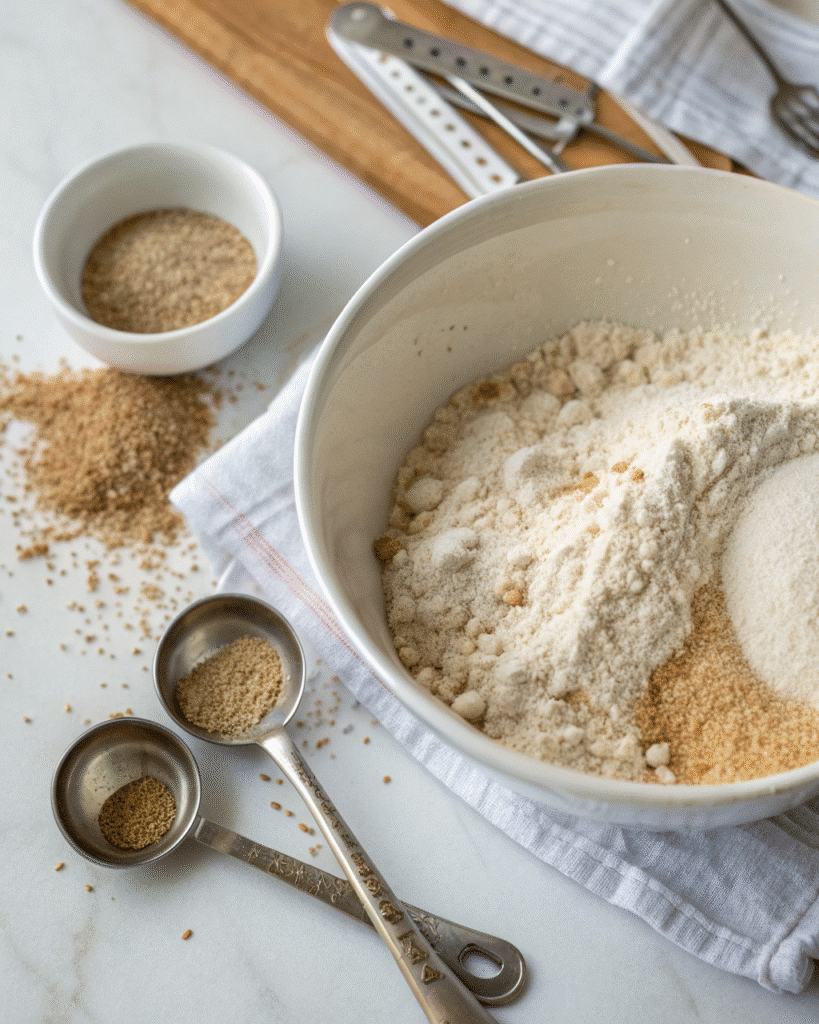
Fresh yeast is popular in professional bakeries.
Characteristics:
- Moist, block-like texture
- Very active
- Short shelf life
Best Uses:
- Artisan bread
- Professional baking
- Rich, flavorful doughs
Tips:
- Store in the refrigerator
- Use quickly after purchase
- Crumble into liquid before mixing
4. Wild Yeast (Sourdough Starter)
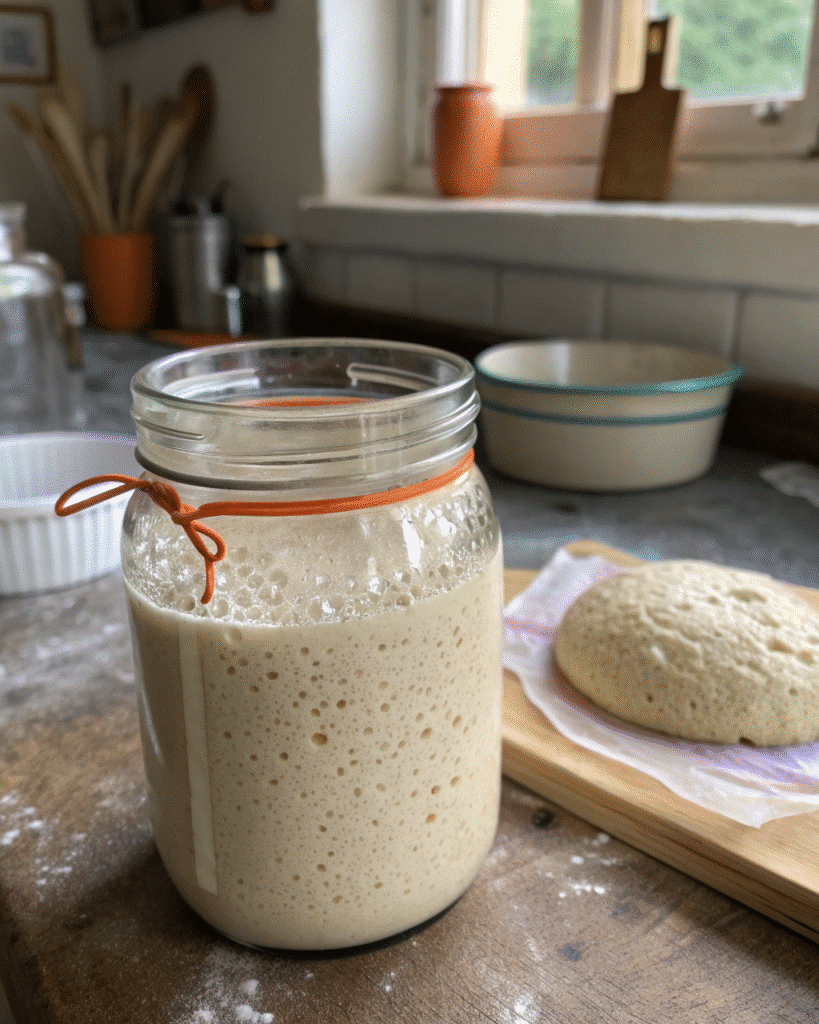
Wild yeast occurs naturally in the environment and is cultivated in sourdough starters.
Characteristics:
- Natural fermentation
- Longer proofing times
- Complex flavor
Best Uses:
- Sourdough bread
- Rustic artisan loaves
- Bakers who enjoy traditional techniques
Tips:
- Requires regular feeding
- Fermentation depends on temperature and timing
Yeast Comparison Table
| Yeast Type | Activation | Speed | Flavor | Shelf Life |
|---|---|---|---|---|
| Active Dry | Needs blooming | Medium | Mild | Long |
| Instant | No blooming | Fast | Mild | Long |
| Fresh | Needs dissolving | Fast | Rich | Short |
| Wild Yeast | Natural | Slow | Complex | Ongoing |
How to Choose the Right Yeast for Your Recipe
Ask yourself:
- Do I want speed or flavor?
- Am I baking the same day or over multiple days?
- Am I using a bread machine or baking by hand?
Quick loaves → Instant yeast
Flavor-focused bread → Active dry or sourdough
Artisan baking → Fresh yeast or wild yeast
Common Yeast Mistakes (and How to Avoid Them)
1. Using Water That’s Too Hot
High temperatures kill yeast instantly.
Fix: Keep water below 45°C (113°F)
2. Using Expired Yeast
Old yeast leads to poor rise.
Fix: Always check expiration dates and test yeast when unsure.
3. Adding Salt Directly to Yeast
Salt slows yeast activity.
Fix: Mix salt with flour, not directly with yeast.
4. Too Much or Too Little Yeast
Too much yeast → yeasty flavor
Too little yeast → dense bread
Fix: Measure carefully and follow recipe ratios.
How Temperature Affects Yeast Activity
- Cold temperatures slow fermentation
- Warm temperatures speed it up
- Ideal dough temperature: 24–27°C (75–80°F)
Slow fermentation = better flavor
Fast fermentation = faster results
How to Store Yeast Properly
Dry Yeast
- Store unopened packets at room temperature
- Once opened, refrigerate or freeze in airtight container
Fresh Yeast
- Refrigerate immediately
- Use within a few weeks
Sourdough Starter
- Feed regularly
- Refrigerate if not used often
Can You Substitute One Yeast Type for Another?
Yes, with adjustments.
- Active dry ↔ instant yeast: use about 25% less instant yeast
- Fresh yeast → dry yeast: use about ⅓ the amount
- Commercial yeast → sourdough: requires recipe reformulation
Yeast and Bread Flavor
Longer fermentation:
- Develops deeper flavor
- Improves crumb structure
- Enhances digestibility
Short fermentation:
- Faster results
- Milder taste
Choosing yeast is not just technical—it’s a flavor decision.
Frequently Asked Questions
Is yeast gluten-free?
Yes, yeast itself is gluten-free.
Can yeast die during mixing?
Rarely, unless exposed to high heat or excessive salt.
Why does my bread smell strongly of yeast?
Usually caused by too much yeast or too short fermentation.
Final Tips for Perfect Yeast Performance
- Always measure yeast accurately
- Control temperature carefully
- Allow enough fermentation time
- Don’t rush the process
- Practice and observe dough behavior
Mastering yeast is one of the biggest steps toward becoming a confident bread baker. Once you understand how yeast works, you gain full control over texture, rise, and flavor.