
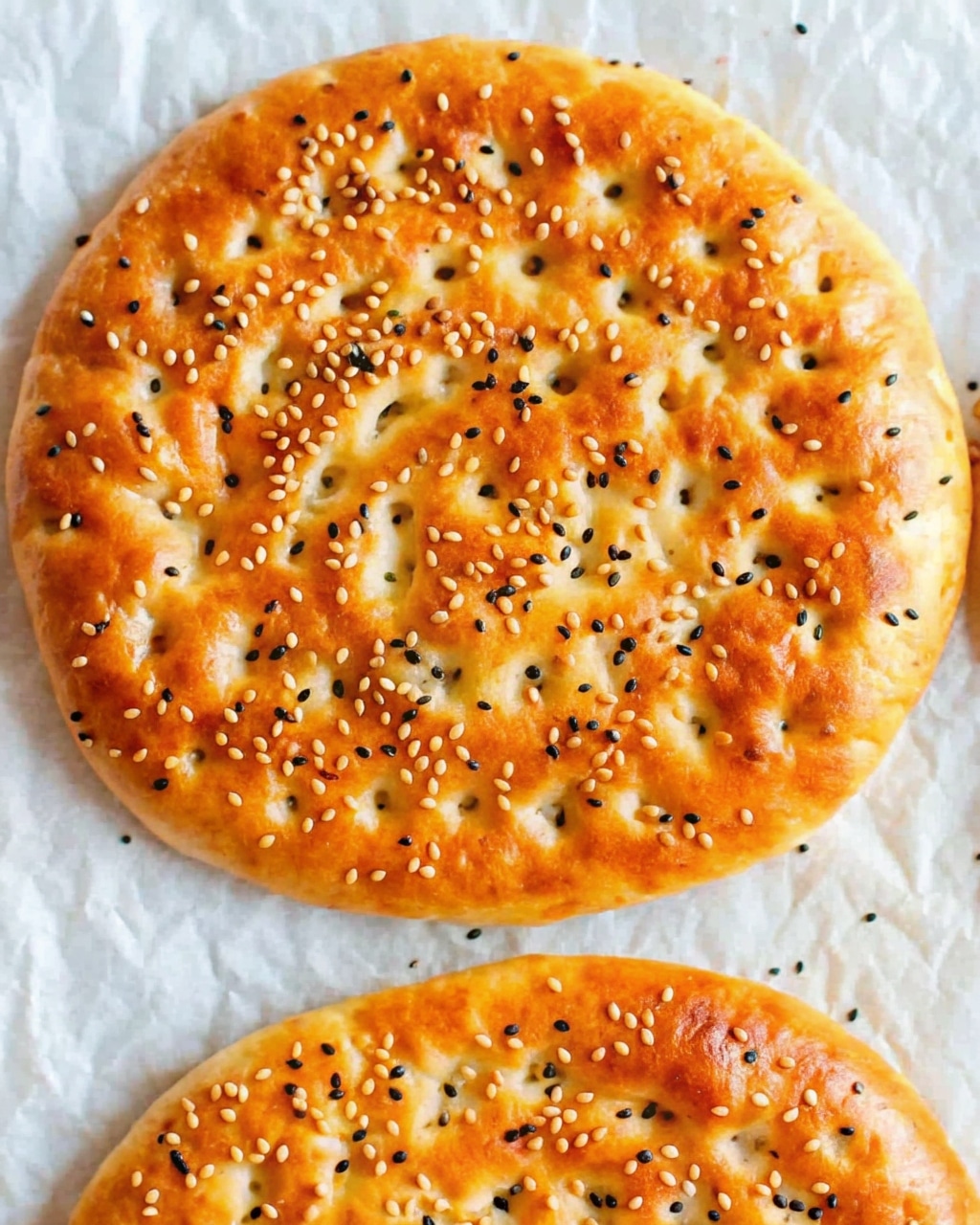
There’s something magical about the first smell of warm bread filling your kitchen — it takes me back to Kyoto mornings with my grandmother kneading dough by the window. When I first tasted Turkish bread at a tiny café in Los Angeles, its soft texture and golden crust reminded me of home. The baker told me that Turkish bread is more than just a side — it’s part of the meal, shared, torn, and dipped with laughter.
In Japan, we eat rice with everything. In Turkey, they eat bread with everything. And somehow, both traditions carry the same truth — food connects us. When I learned how to make Turkish bread at home, I discovered a dough that’s forgiving, simple, and full of heart. You don’t need a tandoor or fancy oven — just patience and love.
In this Turkish bread recipe, I’ll show you how to create that signature pillow-soft texture, slightly chewy crust, and that classic airy look that makes every bite so comforting. Whether you serve it with olive oil, hummus, or even with my favorite Japanese Miso Soup recipe from my site, this bread will become your new kitchen favorite.
Ingredients for Turkish Bread Recipe
The secret behind soft Turkish bread lies in balance — enough gluten to create structure, enough rest to let the dough breathe, and a touch of olive oil for that golden finish.
Essential Ingredients
| Ingredient | Quantity |
|---|---|
| All-purpose flour | 3 cups |
| Warm water (110°F / 43°C) | 1 cup |
| Instant yeast | 2 ¼ tsp (1 packet) |
| Sugar | 1 tsp |
| Salt | 1 ½ tsp |
| Olive oil | 2 tbsp |
| Yogurt | 2 tbsp (optional for softer texture) |
| Sesame or nigella seeds | 1 tbsp (for topping) |
Step-by-Step Turkish Bread Recipe Instructions
The beauty of this Turkish bread recipe lies in its simplicity. You don’t need special equipment — just your hands, time, and a bit of trust in the dough. I always say that dough has a personality; if you listen to it, it tells you when it’s ready.
Preparing the Dough
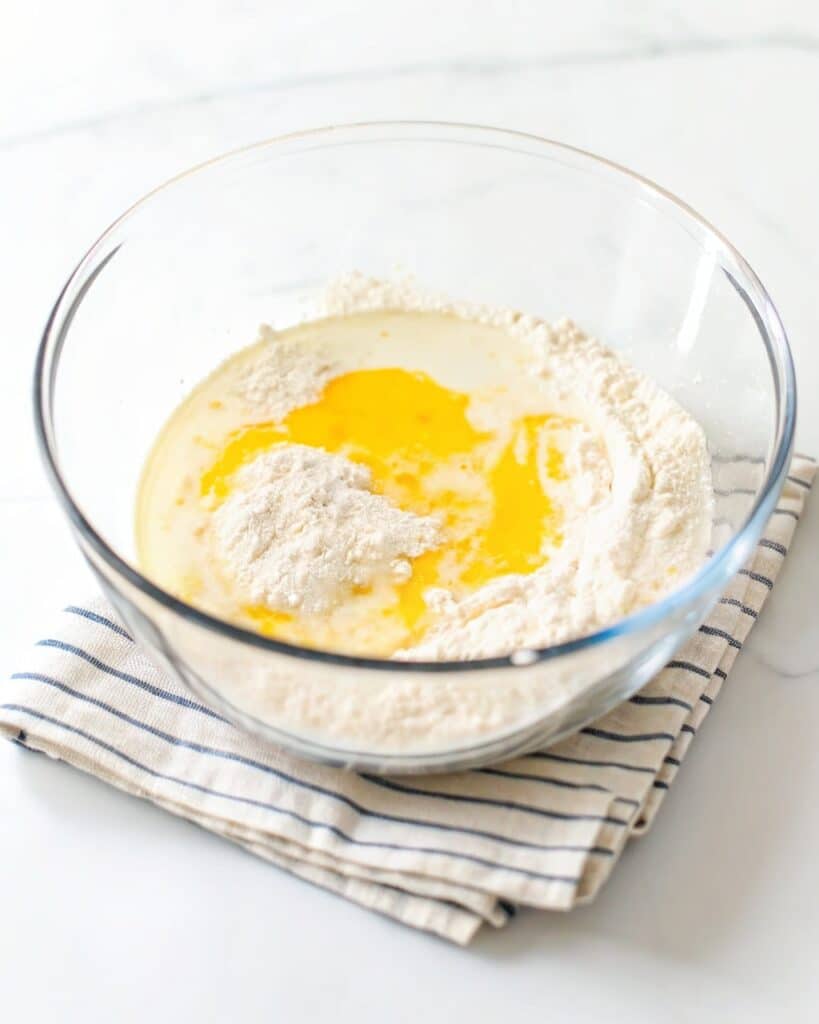
Start by whisking warm water, yeast, and sugar in a large bowl. Let it sit for about 10 minutes until foamy — this shows that your yeast is alive and ready to make your Turkish bread soft and airy. Add the olive oil, yogurt, and salt. Gradually mix in the flour, one cup at a time, until a shaggy dough forms.
Knead it for about 8–10 minutes on a lightly floured surface until smooth and elastic. If the dough sticks to your hands, dust with just a touch more flour. The right texture feels soft but slightly tacky — that’s what gives Turkish bread its signature stretch.
Lightly oil a clean bowl and place the dough inside, turning it once to coat. Cover with a damp towel and let it rise in a warm spot for about 1 hour, or until it doubles in size. During this time, I often prepare a side dish
Shaping and Baking
Once the dough has risen, gently punch it down to release air. Divide it into two equal pieces. Roll each into a circle or oval about ½ inch thick. Place them on a parchment-lined baking sheet and let them rest again for 15–20 minutes.
Preheat your oven to 475°F (245°C). Just before baking, dip your fingers in olive oil and gently press a diamond or oval pattern onto the surface — this is what gives the bread that classic Turkish pide look. Brush with olive oil and sprinkle sesame or nigella seeds.
Bake for 8–10 minutes or until golden and puffed. The bread should have a soft, slightly chewy inside with a crisp, blistered crust. Cool on a wire rack for 5 minutes before tearing into it.
Serving Turkish Bread
The first time I pulled this Turkish bread from my California oven, I couldn’t resist tearing it right away — the steam, the golden crust, that soft, airy center. It reminded me of how my grandmother would hand me a warm onigiri when I was little. Both moments share the same warmth — food shared straight from the heart.
The Best Ways to Serve Turkish Bread
Turkish bread is incredibly versatile. You can serve it warm with olive oil and za’atar, or dip it into rich stews and soups. I often pair it with my Japanese Miso Soup for a fusion-style meal that feels both comforting and fresh. The contrast between savory miso and the fluffy bread is something truly special.
If you’re planning a Mediterranean-style spread, slice this Turkish bread into wedges and serve it with hummus, baba ganoush, or a drizzle of tahini. It also makes a wonderful base for sandwiches — especially when filled with grilled chicken, vegetables, or feta cheese.
Keeping Turkish Bread Fresh
Turkish bread tastes best on the day it’s baked, but you can keep it soft for two days by wrapping it in a clean kitchen towel and storing it at room temperature. To reheat, sprinkle a little water on top and warm it in the oven for 3–4 minutes — it’ll taste just as fresh. For longer storage, freeze it wrapped in foil.
You can explore more creamy, protein-packed inspirations in my Specialty Breads Collection and discover more cottage cheese-based dishes on Greaty Recipes’ .
Nutrition Facts and Health Benefits of Turkish Bread
Every bite of this Turkish bread recipe combines comfort with balance. Made from simple pantry ingredients, it’s wholesome yet indulgent — the kind of bread you can enjoy daily without guilt.
Nutritional Overview (Per Serving — 1/8 loaf)
| Nutrient | Amount |
|---|---|
| Calories | 175 kcal |
| Carbohydrates | 30 g |
| Protein | 5 g |
| Fat | 4 g |
| Saturated Fat | 0.5 g |
| Fiber | 1.2 g |
| Sodium | 210 mg |
| Sugar | 1 g |
| Cholesterol | 0 mg |
Turkish bread’s nutritional profile makes it lighter than many Western-style loaves. The olive oil provides healthy fats, while the flour and yogurt combination offers a mild protein boost. If you replace half the flour with whole wheat, you’ll add fiber without sacrificing softness.
Frequently Asked Questions About Turkish Bread Recipe
1. What is the difference between Turkish pide and regular flatbread?
Turkish pide is thicker and softer than most flatbreads. It’s made with yeast, which gives it that signature airy texture, while regular flatbreads like naan or lavash are often denser. Pide is also brushed with olive oil and topped with sesame or nigella seeds before baking.
2. Why is Turkish bread so soft and airy?
The secret is proper hydration, yeast activation, and resting time. Letting the dough rise fully allows air bubbles to develop, while olive oil and yogurt add moisture and elasticity, keeping the bread light and fluffy.
3. Can I make Turkish bread without a tandoor or stone oven?
Absolutely. A preheated oven with a baking stone or steel mimics the high heat of a tandoor. Even a regular baking sheet works fine as long as it’s preheated well to create an instant heat burst — key for that puff and golden crust.
4. How long should Turkish bread dough rise?
Ideally, the dough should rise for about 1 hour, or until it doubles in size. In cooler weather, you can extend this to 90 minutes. The second rise, after shaping, takes about 15–20 minutes to help the dough relax before baking.
Conclusion
Every time I bake this Turkish bread in my California kitchen, I feel a connection that stretches far beyond recipes — from my grandmother’s wooden box of handwritten notes to the soft hum of my modern oven. This bread is proof that cooking is universal. Whether in Kyoto or Istanbul, love tastes the same: warm, simple, and shared.
Now, it’s your turn. Bake this Turkish bread recipe, tear it with your hands, share it with your heart, and let your kitchen smell like home.
Print
Turkish Bread Recipe: Soft, Airy, and Perfect for Every Meal
- Total Time: 1 hour 25 minutes
- Yield: 2 medium loaves 1x
- Diet: Vegetarian
Description
Soft, airy Turkish bread made with olive oil and yogurt for authentic texture and golden crust.
Ingredients
3 cups all-purpose flour
1 cup warm water (110°F)
2¼ tsp instant yeast
1 tsp sugar
1½ tsp salt
2 tbsp olive oil
2 tbsp yogurt
1 tbsp sesame or nigella seeds
Instructions
1. Mix warm water, yeast, and sugar; let rest 10 minutes.
2. Add olive oil, yogurt, and salt; gradually mix in flour.
3. Knead 8–10 minutes until smooth.
4. Let dough rise 1 hour until doubled.
5. Divide and shape into two ovals; rest 15–20 minutes.
6. Preheat oven to 475°F.
7. Press pattern on top, brush with oil, sprinkle seeds.
8. Bake 8–10 minutes until golden and puffed.
Notes
Yogurt adds softness and a mild tang. Store wrapped for 2 days or freeze for longer freshness.
- Prep Time: 15 minutes
- Cook Time: 10 minutes
- Category: Bread
- Method: Baking
- Cuisine: Turkish
Nutrition
- Serving Size: 1/8 loaf
- Calories: 175
- Sugar: 1
- Sodium: 210
- Fat: 4
- Saturated Fat: 0.5
- Unsaturated Fat: 3.5
- Trans Fat: 0
- Carbohydrates: 30
- Fiber: 1.2
- Protein: 5
- Cholesterol: 0