
Introduction
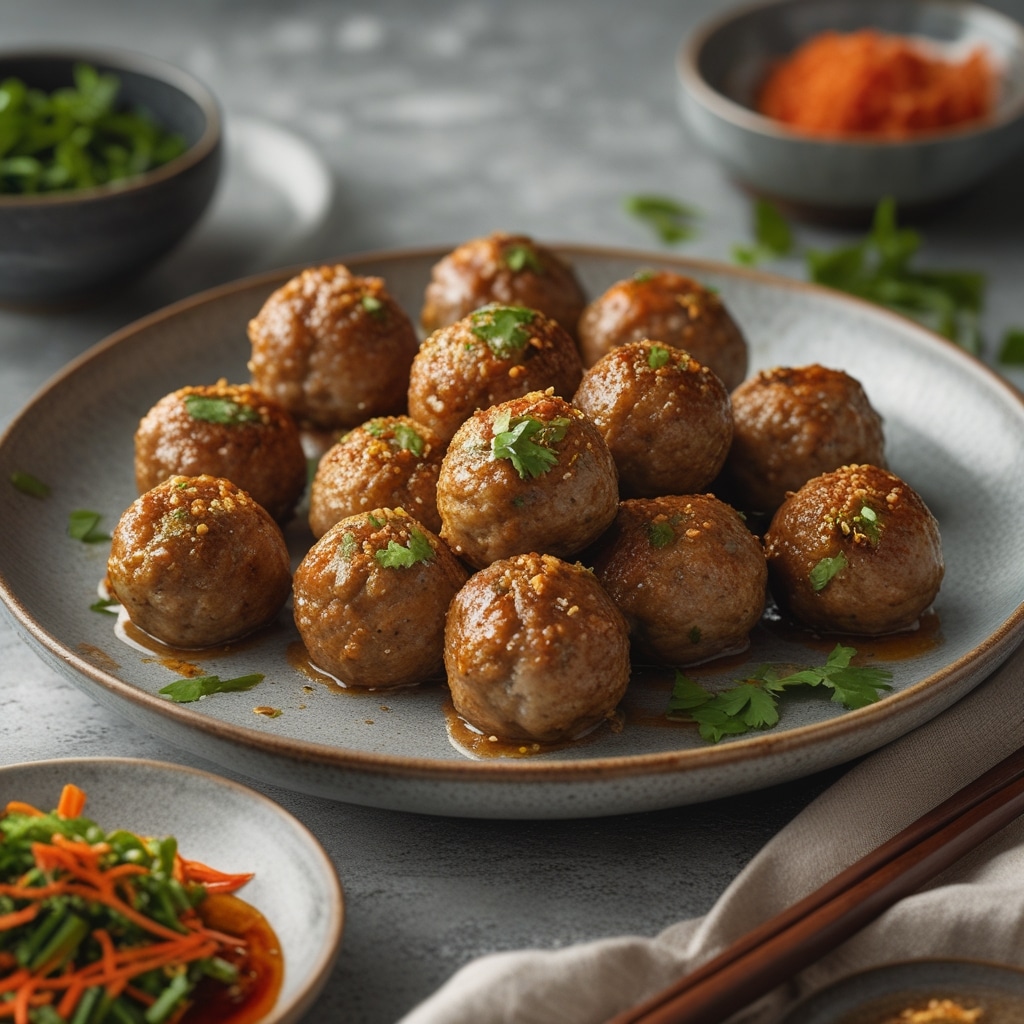
Few dishes strike the perfect balance between comfort food and global flair quite like Asian Meatballs. These bite-sized delights blend the savory richness of traditional meatballs with the vibrant, aromatic notes of Asian-style cuisine — think soy glaze, ginger, sesame oil, and a touch of sweetness. They’re versatile enough to serve as an appetizer, a main dish with rice, or as part of a noodle bowl.
From a culinary perspective, these meatballs bring together umami-heavy ingredients that appeal to contemporary palates seeking both familiarity and novelty. From a digital marketing viewpoint, they also tap into trending recipe searches that emphasize quick, flavorful, and fusion-friendly meals. The keyword searches for “Asian-inspired meatballs,” “easy meatball recipes,” and “homemade glaze” have grown steadily over the past few years. By following this guide, you’ll discover how to prepare them effortlessly while also understanding why these flavors and techniques hold such global appeal.
—
Step-by-Step Instructions
Crafting your own version of Asian Meatballs is a rewarding process that enhances both your cooking skills and your culinary repertoire. The key lies in balancing texture, moisture, and flavor depth. Below, we’ll walk through each step systematically so you can achieve a restaurant-quality result right at home.
Step 1: Gather Your Ingredients
Before you start mixing, set out the essentials: ground meat (beef, pork, chicken, or turkey), finely minced garlic, grated ginger, soy sauce, sesame oil, panko breadcrumbs, and a lightly beaten egg. Having everything measured and prepped ensures a smoother cooking process.
For additional umami, consider adding a dash of fish sauce or a sprinkle of finely chopped green onions. These small adjustments bring complexity without overpowering the foundational flavor profile.
Step 2: Mix for Perfect Consistency
Combine the ingredients in a large bowl, but avoid overmixing. The goal is to keep the meat tender and juicy. Stir with a fork or use your hands gently to blend everything evenly. The breadcrumbs absorb excess moisture, while the egg binds it all together.
Once mixed, form even-sized meatballs (roughly 1½ inches in diameter) so they cook evenly. A consistent size helps ensure balanced flavor and presentation.
Step 3: Sear and Seal the Flavor
Heat a splash of neutral oil (like vegetable or canola) in a non-stick skillet over medium-high heat. Brown the meatballs on all sides until a golden crust forms. This step doesn’t just lock in juices — it adds a layer of umami depth through caramelization.
Once browned, transfer them to a parchment-lined baking sheet for further cooking.
Step 4: Bake to Perfection
Bake at 400°F (200°C) for 12–15 minutes until fully cooked through. If you prefer, you can air fry them for a faster, slightly crispier result. Internal temperature should reach 165°F (74°C) for poultry-based meatballs or 160°F (71°C) for red meat blends.
Step 5: Glaze and Garnish
While your meatballs bake, prepare the glaze — a combination of soy sauce, rice vinegar, honey or brown sugar, garlic, and a touch of chili flakes. Simmer gently until slightly thickened, then toss the cooked meatballs in the sauce.
Finish with a garnish of sesame seeds and finely chopped scallions for both color and freshness. Serve immediately over rice, noodles, or as skewered appetizers at gatherings.
—
Tips
Each home cook brings their own personal flair to dishes, but a few tried-and-true strategies can elevate these umami-packed meatballs every time.
1. Choose the Right Protein
Blending two types of ground meat — such as pork and beef — enhances moisture and depth of flavor. If you prefer leaner options, chicken or turkey also work well but may require an extra tablespoon of sesame oil or a spoonful of breadcrumbs for added moisture.
2. Balance Sweetness and Saltiness
Taste the glaze before tossing your meatballs. A harmonious soy-sugar ratio ensures a balanced sweetness that complements, not overpowers, the savory aspect.
3. Consider Texture Enhancers
Adding finely chopped water chestnuts, shredded carrots, or even mushrooms lends a pleasing contrast to the juicy texture while boosting nutrient content.
4. Make It Ahead
These meatballs refrigerate beautifully and can be frozen for up to a month. Simply reheat in the oven or toss them straight into a simmering glaze for a quick meal.
—
Alternative Methods
Modern kitchens offer multiple ways to achieve the perfect result while maintaining flavor integrity. Below are two equally delicious variations depending on your cooking preferences or dietary needs.
Air Fryer Method
For a crispier exterior and reduced oil consumption, use an air fryer. Preheat it to 375°F (190°C), spray the basket lightly, and arrange the meatballs evenly without overcrowding. Cook for 10–12 minutes, shaking halfway through. The end result? Crunchy outside, tender inside, and perfectly golden brown — ideal for those who prefer a lighter touch.
Slow Cooker Method
Looking for a low-effort, family-friendly approach? Prepare your meatballs as described earlier, but skip baking. Instead, place the browned meatballs into your slow cooker, pour the glaze over, and cook on low for 3–4 hours. This method infuses every bite with concentrated flavor, making it a fantastic choice for parties or weeknight dinners.
—
Conclusion
Flavorful meals often draw inspiration from cultural crossovers, and Asian Meatballs exemplify this beautifully. Their savory-sweet harmony represents both culinary tradition and modern fusion at its finest. By mastering this dish, you don’t just elevate your cooking game — you also embrace a globally inspired kitchen philosophy rooted in texture, balance, and bold flavor.
Whether you enjoy them as a meal prep staple, a dinner-party appetizer, or a comforting weeknight entrée, these meatballs promise consistent satisfaction. Share them with friends, pair them with sticky rice or zesty noodles, and let their umami-rich aroma redefine what homemade comfort food can be.