
Introduction
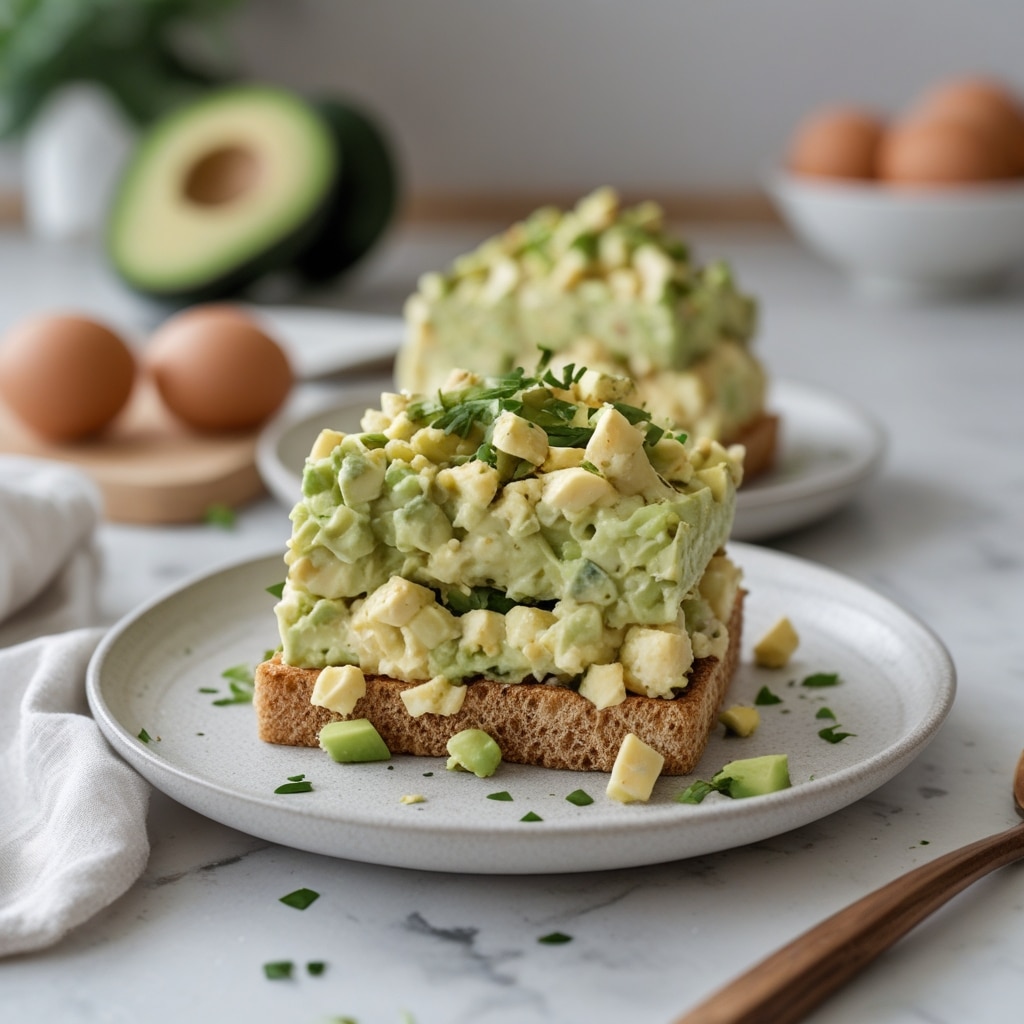
When it comes to creative, nutritious, and flavor-packed meals, few dishes strike the perfect balance like the Avocado Egg Salad. This modern twist on a classic comfort food combines the creamy richness of ripe avocados with the protein punch of boiled eggs, creating a balanced, satisfying dish ideal for breakfast, lunch, or post-workout recovery. Unlike traditional mayo-based salads, this vibrant recipe incorporates heart-healthy fats, essential vitamins, and antioxidants, making it not only delicious but a powerful addition to any wellness-focused menu.
What makes this recipe stand out is its adaptability. Whether you’re spreading it over whole-grain toast, spooning it into wraps, or enjoying it as a dip for fresh veggies, this wholesome salad delivers mouthwatering flavor in every bite. In this blog post, we’ll break down how you can easily prepare it at home, explore tips to maximize flavor and freshness, and even experiment with creative alternatives.
—
Step-by-Step Instructions
Learning how to make Avocado Egg Salad is straightforward and rewarding. This recipe can be prepared in less than 15 minutes, making it ideal for busy mornings or meal prep days. Follow these simple steps for a perfect creamy texture and balanced taste.
Step 1: Prepare the eggs
Start by boiling six large eggs until they’re hard-cooked but not overdone. This usually takes about 9–10 minutes once the water reaches a rolling boil. Once cooked, transfer the eggs to a bowl of ice water to stop the cooking process and make peeling easier. Peel and roughly chop them once cooled.
Step 2: Select and prepare the avocados
Choose two ripe avocados that are slightly soft to the touch but not mushy. Slice them open, remove the pits, and scoop the flesh into a medium mixing bowl. Using a fork or potato masher, gently mash the avocados until smooth but still slightly chunky to preserve texture.
Step 3: Combine ingredients
Add the chopped eggs to the mashed avocados. Next, mix in one to two tablespoons of Greek yogurt or light mayonnaise for extra creaminess (optional). Season with salt, black pepper, and a hint of garlic powder for flavor depth. If you like a bit of zest, a teaspoon of fresh lemon juice enhances both freshness and color retention.
Step 4: Enhance with fresh ingredients
Fold in diced celery, finely chopped red onion, and minced fresh herbs such as parsley or dill. These elements add crunch and a refreshing aroma that elevates the dish beyond a simple egg salad.
Step 5: Mix and serve
Gently stir all ingredients until well combined but not overmixed. Serve the salad chilled or at room temperature. Enjoy it on toasted whole-grain bread, inside lettuce cups, or paired with light crackers. Each serving delivers a perfect balance of creamy, savory, and tangy notes.
—
Tips
Crafting a recipe that’s as nourishing as it is flavorful requires a few insider secrets. Here are some professional tips to help maximize the nutritional and sensory benefits of this dish:
1. Use farm-fresh eggs: The quality of your eggs directly affects the texture and overall creaminess. Fresh eggs are easier to peel and yield more vibrant yolks.
2. Ripe avocados are key: An under-ripe avocado will resist mashing, while an over-ripe one can turn the salad mushy. Look for ones that yield slightly when pressed but don’t collapse.
3. Add an acid stabilizer: Lemon or lime juice does more than enhance flavor—it helps prevent the avocado from browning.
4. Experiment with add-ins: Crumbled feta, diced tomatoes, or a pinch of smoked paprika can introduce new flavor layers.
5. Meal prep for the week: You can prepare the egg base in advance and mix in avocados just before serving to keep the dish fresh longer.
6. Balance texture: For extra crunch, consider adding chopped nuts, seeds, or lightly toasted chickpeas.
—
Alternative Methods
If you love experimenting in the kitchen, you can easily modify this recipe to match your diet or taste preferences. Here are some exciting variations:
Low-Carb Version
Replace any bread or crackers with lettuce wraps or cucumber slices. This keeps carbohydrates low while retaining flavor and satisfaction.
High-Protein Upgrade
Add extra egg whites or mix in a scoop of unflavored protein powder to boost protein content without compromising taste. This makes the salad ideal for fitness enthusiasts.
Vegan Adaptation
For a plant-based adaptation, replace eggs with chickpeas. Mash them lightly with the avocado, mixing in similar seasonings to recreate the texture and taste of the original while providing plant-based protein and fiber.
Mediterranean Flair
Incorporate chopped olives, sun-dried tomatoes, and a drizzle of olive oil. The added umami deepens the flavor spectrum and creates a gourmet touch suitable for dinner menus.
Spicy Fusion
Add sriracha, jalapeños, or crushed red pepper flakes for those who prefer a bit of heat. Combine this with a squeeze of lime for a refreshing counterbalance.
These variations demonstrate how adaptable this wholesome dish is—no matter your dietary needs or flavor preferences, it can be tailored to suit your lifestyle while maintaining its health benefits.
—
Conclusion
The Avocado Egg Salad stands out as a modern, nutritious, and satisfying recipe that proves healthy eating doesn’t require sacrificing taste. Its creamy consistency, balanced macros, and naturally rich flavor make it a powerful ally in achieving everyday wellness and vitality. Whether you’re serving it as a quick lunch, a post-workout meal, or a crowd-pleasing side dish, this easy salad adapts effortlessly to your routine.
Beyond its simplicity, this recipe embodies the harmony between whole-food ingredients and culinary creativity. By using fresh produce, healthy fats, and lean proteins, you’ll enjoy a meal that supports heart health, boosts energy, and satisfies your appetite. For anyone looking to elevate their meal prep or explore flavorful, nutritious combinations, this salad is the ultimate go-to.
The next time you’re craving something wholesome, creamy, and delicious, skip the takeout and whip up this versatile recipe at home. Your body—and your taste buds—will thank you.
—
Word count: Approximately 930 words.