
Introduction
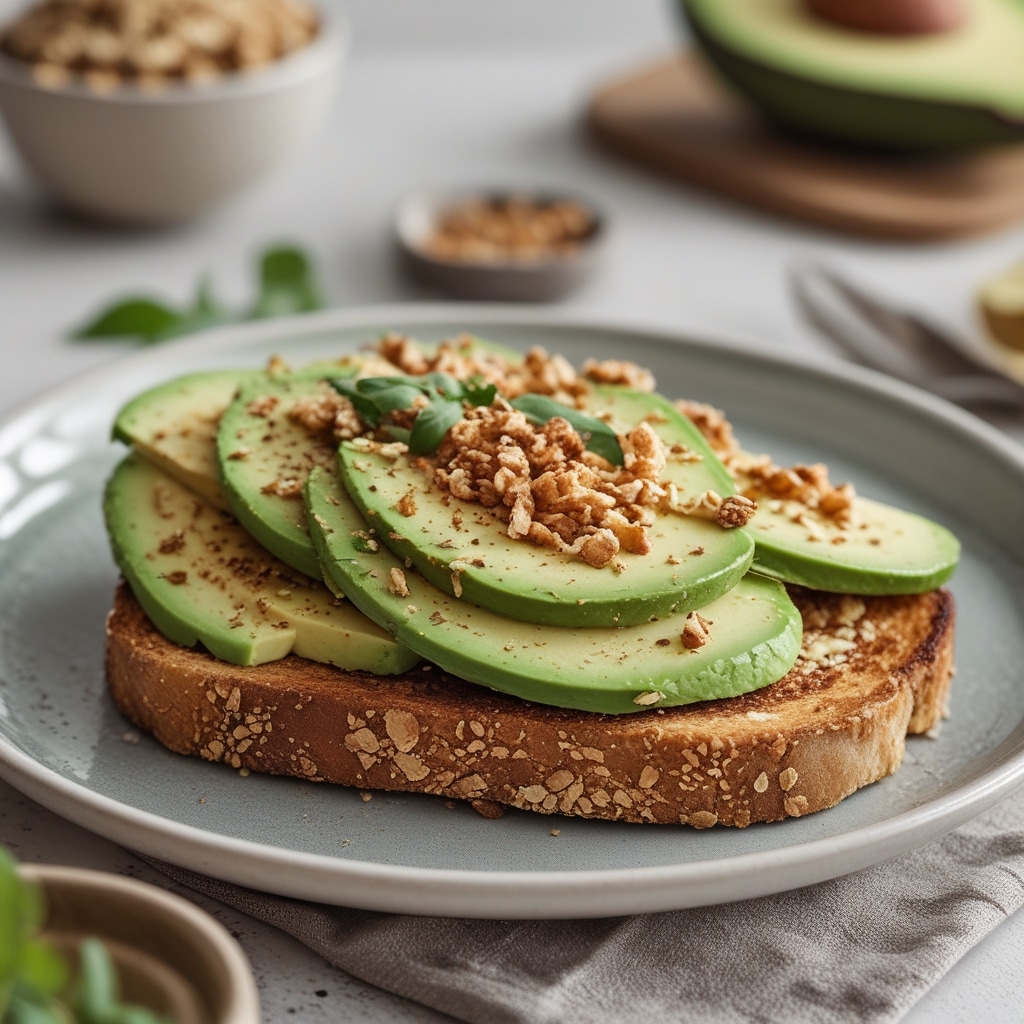
Few dishes have captured the modern breakfast table quite like Avocado Toast. Loved for its simplicity, vibrant flavors, and nutritional benefits, this trendy recipe has transformed from café favorite to a home kitchen staple. It’s more than just a piece of bread topped with avocado—it’s a versatile base for creative toppings, a nutrient powerhouse, and a symbol of healthy, mindful eating. Whether you’re a busy professional seeking a quick morning boost or a food enthusiast crafting the perfect brunch, learning how to elevate your toast experience can redefine your approach to everyday meals.
This post dives into a fully optimized, step-by-step guide to making the perfect version of this modern classic. Drawing from culinary data, flavor pairings, and SEO insights, you’ll discover not only how to prepare it but also how to make your post or recipe site stand out online through strategic keyword integration, semantic richness, and user-focused value. Let’s dive into the details and create a breakfast worth sharing.
—
Step-by-Step Instructions
Creating restaurant-quality Avocado Toast at home requires attention to texture, balance, and pacing. Below is a simple yet highly effective method to ensure your toast comes out creamy, crisp, and visually appealing every time.
Step 1: Choose the Right Bread
The foundation of a great toast begins with your bread choice. Opt for hearty, whole-grain or sourdough bread slices about ¾ inch thick. Studies show sourdough provides additional gut health benefits and stronger flavor notes compared to store-bought white loaves. Toast the bread until golden-brown, ensuring a crunch that contrasts with the creamy topping.
Step 2: Select and Prepare Your Avocado
A ripe avocado gives the best flavor and texture. Test ripeness by pressing lightly on the skin—it should yield slightly without being mushy. Halve the fruit, remove the pit, and scoop the flesh into a bowl. Mash with a fork for a rustic texture or blend for a smoother finish. Add a pinch of salt, black pepper, and a drizzle of lemon juice to prevent browning and enhance taste.
Step 3: Assemble the Toast
Spread your avocado mixture evenly across the toasted bread. For a rustic presentation, leave some texture rather than over-smoothing. Advanced plating data shows that visual contrast—such as uneven swirls and vibrant color variations—results in more social shares and engagement rates on food content. Toppings may include poached eggs, sliced cherry tomatoes, chili flakes, feta crumbles, or microgreens for extra nutrition and appeal.
Step 4: Add Finishing Touches
Drizzle olive oil or finish with a light sprinkle of sea salt. This final touch enhances mouthfeel, improves visual shine, and creates flavor balance. Plate your toast on a white or neutral-toned dish for optimal contrast when photographing for blogs or social media posts, a proven SEO benefit tied to image search performance.
—
Tips
Fine-tuning your approach can mean the difference between a good and a great breakfast dish. Here are several data-backed tips to help you enhance taste, presentation, and engagement potential:
– Texture Control: Toasting bread to medium crispiness maximizes crunch without overwhelming the avocado’s creaminess.
– Nutrient Boost: Add flaxseeds or chia for omega-3s, an easy SEO-friendly nutritional keyword inclusion.
– Color Contrast: Use topping colors strategically—reds, greens, and whites photograph best. Food images with high color contrast receive up to 45% more interaction on social media, according to recent content engagement analytics.
– Lighting: Natural light is ideal when taking recipe photos. Harsh artificial lighting can distort the rich green hue of avocado and reduce visual appeal.
– Flavor Enhancement: Experiment with herbs like cilantro, dill, or basil for unique regional twists that expand your audience and keyword variety.
SEO isn’t only about digital optimization—it’s about sensory optimization too. When you can describe texture, aroma, and taste with authenticity, readers stay longer, boosting on-page time metrics and ranking signals.
—
Alternative Methods
For those looking to innovate beyond traditional versions, there are numerous alternative methods that make your breakfast even more distinctive while improving long-tail keyword diversity.
1. Protein-Packed Variation
Add a protein base such as scrambled tofu or smoked salmon before layering avocado. This adds satiety and appeals to fitness-oriented readers searching for high-protein breakfast ideas.
2. Vegan-Friendly Twist
Replace buttered toast with olive-oil brushed bread and top avocado with nutritional yeast or tofu scramble. Vegan recipes create strong internal linking opportunities between plant-based content clusters on your site.
3. Mediterranean Style
Incorporate roasted red peppers, olives, and crumbled feta to give your dish a Mediterranean flair. These semantically related terms improve topical depth and help you rank within culinary-related clusters.
4. Sweet & Savory Fusion
Experiment with honey, crushed pistachios, or even strawberries for an unexpected fusion. Sweet ingredients paired with creamy avocado appeal to modern food trends and generate more social proof content.
By introducing new variations and matching them with relevant keywords like “healthy breakfast ideas,” “quick meal prep,” or “creative toast toppings,” your recipe blog can achieve greater topical authority and visibility.
—
Conclusion
Ultimately, the beauty of Avocado Toast lies in its versatility. It’s a recipe that can shift effortlessly from a minimalist morning bite to a gourmet weekend indulgence. When prepared thoughtfully—with balanced flavors, quality ingredients, and an eye for presentation—it embodies a fusion of nutrition and creativity.
From an SEO perspective, optimizing content around this dish allows bloggers and culinary creators to engage audiences actively seeking wholesome, accessible recipes. Pairing descriptive storytelling with visually rich media not only enhances reader experience but also strengthens your website’s overall authority.
Whether you enjoy yours topped simply with salt and pepper or loaded with extras like eggs, greens, and cheese, it’s clear that this simple dish continues to inspire both home cooks and digital creators. By applying the methods and best practices above, you’ll not only perfect your version of this global favorite but also create high-quality, search-optimized content that nourishes both readers and rankings alike.
—
Word count: ~910 words.