
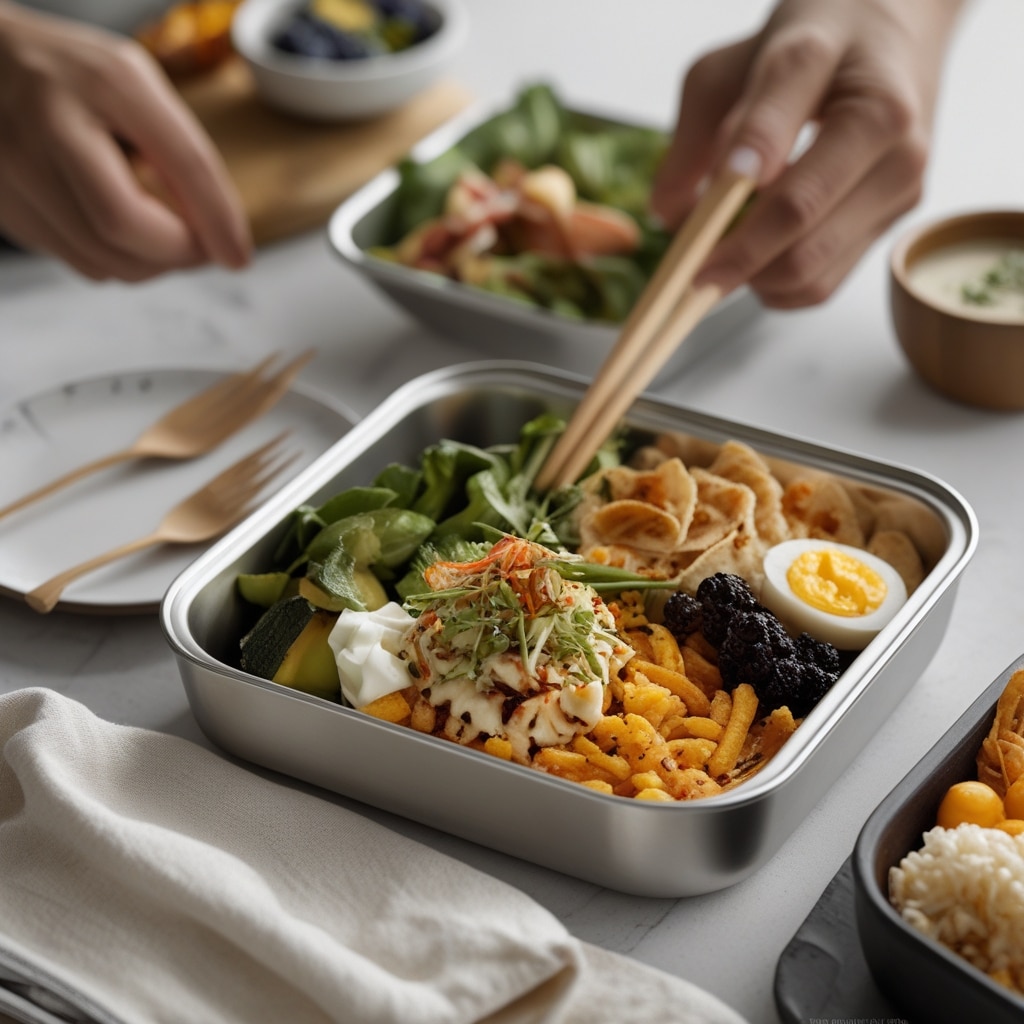
Introduction
In today’s fast-paced world, preparing nutritious and appealing meals can be a daily challenge. That’s why the concept of Bento Box Ideas for Healthy Lunches is gaining popularity among health-conscious individuals and parents alike. These compact, portion-controlled meals not only make eating well more exciting but also help reduce food waste while offering endless customization options. By combining creativity, balance, and aesthetics, bento boxes elevate lunchtime from a routine necessity to a joyful experience. This post explores a detailed guide on creating wholesome, stress-free bento meals that are both visually appealing and nutritionally complete.
—
Step-by-Step Instructions
Crafting an efficient and nourishing bento box starts with careful planning. Here are the essential steps to make your Bento Box Ideas for Healthy Lunches a success from start to finish.
Step 1: Choose the Right Bento Box
Selecting the appropriate bento container is the foundational step. Depending on your needs, you can choose from stainless steel, glass, or BPA-free plastic boxes with removable compartments. The number of sections you select should align with the variety of food groups you plan to include. For instance, a four-compartment box is ideal if you want to include a protein, complex carbohydrate, fresh vegetables, and fruit.
Step 2: Plan a Balanced Menu
Balance is key in creating a nutritious bento box. Use the classic “macro mix” formula:
– Protein: Include lean sources such as grilled chicken, chickpeas, boiled eggs, or tofu.
– Carbohydrates: Opt for whole grains like brown rice, quinoa, or soba noodles.
– Vegetables: Fill half of your bento with colorful vegetables for fiber and nutrients.
– Healthy Fats: Add a handful of nuts, seeds, or avocado slices for a satisfying texture and flavor.
A practical trick is to pre-cook certain ingredients like rice or eggs in bulk early in the week. This allows for quick assembly each morning, keeping preparation stress-free.
Step 3: Prepare Ingredients Efficiently
Time management is essential when preparing your bento. Washing, slicing, and cooking ingredients ahead of time saves minutes during busy mornings. Steam vegetables, roast proteins, and refrigerate them in airtight containers. For freshness, pack moist items (like fruit or sauces) separately using silicone cups or sealed jars to maintain texture and avoid sogginess.
Step 4: Presentation and Portion Control
A bento box is as much about presentation as flavor. Use contrasting colors—green edamame with red cherry tomatoes or yellow egg omelet against dark seaweed rice—for a visually pleasing effect. Keep portion control in mind: fill your box using the “2:1:1 ratio” of vegetables to protein to carbs. Small aesthetic details like shaped vegetables, skewers, or dividers can enhance the meal’s appeal while encouraging mindful eating.
Step 5: Pack Smart and Keep It Fresh
Temperature control plays a major role in keeping your meal safe and delicious. Use ice packs if packing perishable items, or invest in a thermal lunch bag to maintain the ideal temperature. Dishes containing raw vegetables or dairy should be eaten within several hours to preserve both taste and food safety.
—
Tips
1. Color and Variety Rule
A beautiful bento box is built around color contrast. Using a rainbow approach—greens (peas, kale), reds (peppers, tomatoes), yellows (corn, egg strips), and purples (grapes, cabbage)—is visually stimulating while providing a spectrum of nutrients.
2. Batch Cooking for Convenience
Planning multiple bento boxes in one cooking session saves time. Prepare proteins and grains in advance, then mix and match throughout the week. This method not only ensures meal diversity but also reduces decision fatigue.
3. Smart Seasonings
Replace heavy sauces with lighter alternatives such as soy-ginger dressing, citrus vinaigrettes, or yogurt-based dips. These add flavor without extra calories or sodium. Keep some condiments separate to maintain freshness until mealtime.
4. Kid-Friendly Adaptations
When preparing bento boxes for children, incorporate fun shapes using vegetable cutters or molds. Smaller portions and mild flavors encourage kids to explore nutritious options without feeling pressured.
5. Sustainability and Waste Reduction
Eco-friendly choices make your lunch habit more sustainable. Reusable utensils, beeswax food wraps, and compostable napkins help reduce single-use plastic waste. Even small habits, like labeling leftovers or freezing excess ingredients, contribute to greener living.
—
Alternative Methods
1. Themed Bento Boxes
Try experimenting with cultural or seasonal themes. A “Mediterranean” box might feature hummus, roasted vegetables, and whole-grain pita, while a “Japanese-inspired” bento could highlight salmon sashimi, pickled radish, and sushi rice. Themed meals prevent monotony and encourage culinary exploration.
2. Low-Carb Variations
For those monitoring carbohydrate intake, substitute traditional rice with cauliflower rice, zucchini noodles, or lentil-based salads. These substitutions keep meals light while maintaining volume and texture.
3. Vegetarian and Vegan Options
Plants can easily take center stage in a nutritious bento. Combine marinated tofu, roasted chickpeas, and quinoa with an assortment of leafy greens. Adding seeds or nuts ensures an adequate intake of healthy fats and protein.
4. Fusion and Modern Twists
Modern cuisine allows flavor experimentation. Mixing cuisines—such as pairing Mediterranean grilled vegetables with Asian sesame dressing—creates bold, unexpected tastes. Don’t shy away from creative combinations that align with your preferences and dietary goals.
5. Overnight and Make-Ahead Bentos
If mornings are hectic, assemble your bento the previous evening. Store it in the refrigerator using moisture-control containers. A small squeeze of lemon over vegetables prevents discoloration and keeps greens fresh overnight.
—
Conclusion
Whether you’re a busy professional or a parent seeking balanced meals for your family, embracing Bento Box Ideas for Healthy Lunches adds structure, variety, and joy to your daily nutrition. By integrating planning, mindful portioning, and creative arrangement, you can transform ordinary lunches into visually stunning, nutrient-rich experiences. These boxes not only simplify healthy eating but also promote sustainable habits through waste reduction and smart organization. With consistent practice, your bento-making routine can evolve into a rewarding act of self-care—one delicious, well-balanced box at a time.