
Introduction
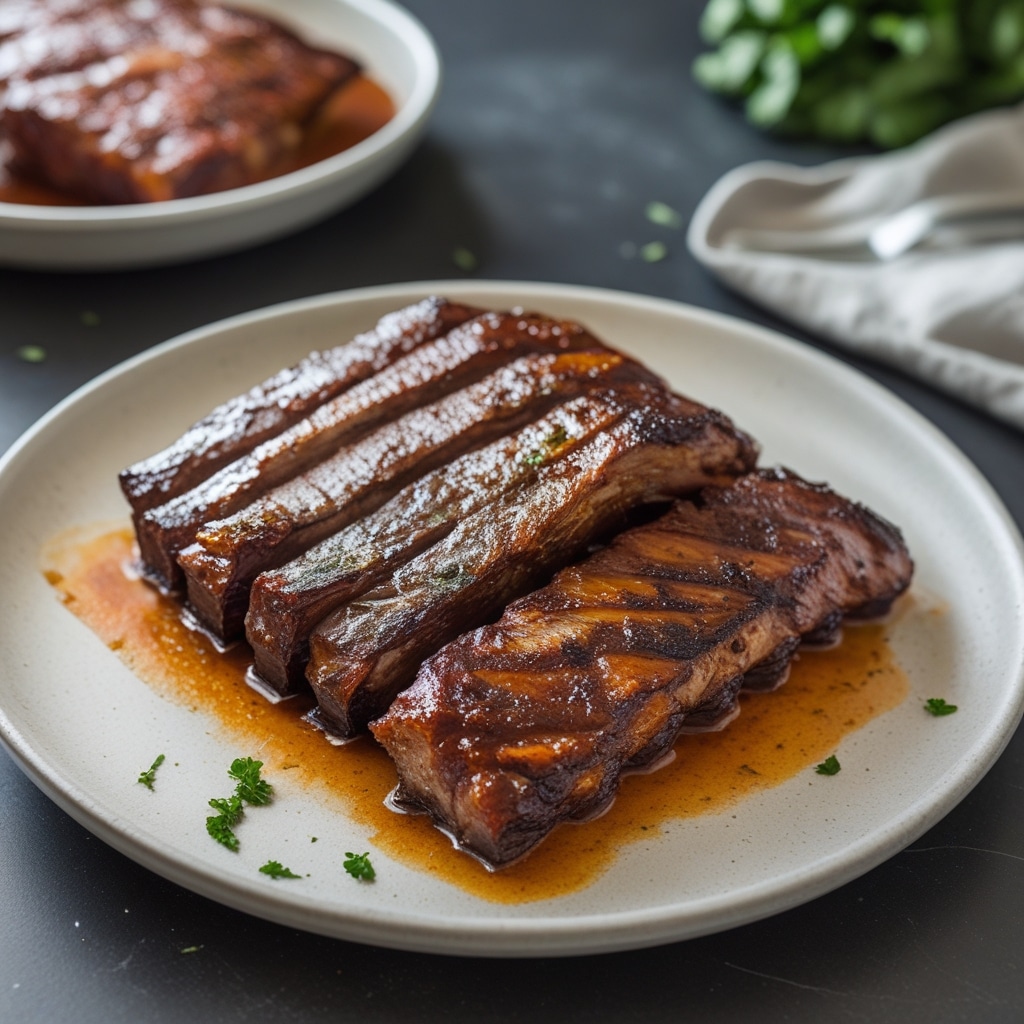
When it comes to backyard barbecue perfection, few dishes captivate pitmasters and home cooks alike quite like smoked St. Louis-style ribs. Their rich, savory layers of flavor and tender texture make them an irresistible staple for any outdoor feast. In this post, we’ll take a deep dive into how to create mouthwatering ribs worthy of a professional smokehouse, using the Best Traeger Smoked St Louis Ribs Recipe | Sip Bite Go as inspiration. This guide is designed for beginners and seasoned grill enthusiasts alike, offering insights into smoking techniques, temperature control, and the savory art of low-and-slow cooking. By the end, you’ll know how to transform simple ribs into a smoky, caramelized masterpiece that melts off the bone and keeps your guests asking for more.
—
Step-by-Step Instructions
Smoking ribs may seem intimidating, but with the right steps and well-managed patience, you’ll achieve competition-quality results at home. The secret lies in preparation, flavor layering, and maintaining a consistent temperature throughout the cook. Based on the methodology embraced in the Best Traeger Smoked St Louis Ribs Recipe | Sip Bite Go, the following process simplifies the technique while maximizing flavor.
Step 1: Trim and Prep Your Ribs
Start with fresh St. Louis-style ribs — these come from the belly area and offer more meat than baby back ribs. Using a sharp knife, trim excess fat and remove the silver skin from the underside. Pat the ribs dry with paper towels. Proper trimming ensures the rub adheres evenly, leading to a better bark and texture.
Step 2: Apply a Flavorful Dry Rub
A dry rub forms the foundation of your flavor. Combine brown sugar, smoked paprika, garlic powder, black pepper, salt, and a touch of chili powder. Generously coat both sides of the ribs, pressing the seasoning into the meat so it sticks well. Let the ribs rest for 15–30 minutes at room temperature to let the seasoning meld and hydrate the surface.
Step 3: Set Up Your Traeger Smoker
Preheat your Traeger wood pellet grill to 225°F. Select a blend of wood pellets that enhance pork—apple, hickory, or cherry are excellent options. A quality pellet smoke ensures even heat and a balanced smoky flavor profile. Make sure your pellet hopper is full; consistency is key over the six-hour cooking process.
Step 4: Smoke Slowly for Flawless Texture
Place the ribs bone side down on the grill grates. Close the lid and smoke for about 3 hours, spritzing once per hour with a mix of apple cider vinegar and water to keep the meat moist. The low temperature allows the collagen to break down, tenderizing the ribs while infusing them with smoke.
Step 5: Wrap and Continue Cooking
After 3 hours, remove the ribs and wrap them tightly in heavy-duty foil with a small drizzle of honey, butter, and brown sugar. Return to the smoker and cook for an additional 2 hours at 250°F. This wrapping process, often called the “Texas Crutch,” locks in moisture and accelerates tenderization.
Step 6: Glaze and Finish
Unwrap the ribs carefully and apply your favorite barbecue sauce or glaze. Return the ribs to the grill (unwrapped) and smoke for another 30–60 minutes to set the glaze. The sauce caramelizes beautifully, creating a shiny, sticky finish that amplifies flavor and texture.
—
Tips
1. Choose the Right Wood
For St. Louis ribs, fruit woods such as apple or cherry offer a sweet, mild aroma that complements pork perfectly. Combine with a stronger wood like hickory for a balanced smokiness. Avoid mesquite, which can overpower the delicate flavor of ribs.
2. Maintain Consistent Temperature
Fluctuations in temperature can cause uneven cooking. Use a reliable digital thermometer to monitor temps and resist the urge to open the lid frequently. Remember—the key to success is low and slow.
3. Master the Mop or Spritz
Every hour, lightly spritz the ribs with a vinegar-based liquid or an apple juice blend. This step enhances bark formation and keeps the meat from drying out during those long hours of smoking.
4. Rest Before Serving
Once done, let the ribs rest for at least 15 minutes, tented loosely with foil. Resting helps redistribute juices, making every bite tender and juicy.
5. Experiment with Sauces and Rubs
Customize your flavor. You can create spicy, sweet, or smoky profiles depending on the rub ingredients and sauce blend. Homemade glazes featuring honey, molasses, or bourbon add uniqueness to every rack.
—
Alternative Methods
If you don’t own a Traeger grill or prefer other cooking setups, there are several great options to try:
Oven-Smoked Ribs
Use an oven at 275°F and create smoke flavor by adding a small pan of water and liquid smoke. While the flavor won’t be as deep as real wood smoke, the texture comes surprisingly close.
Electric Smoker Approach
Electric smokers are convenient for consistent heat control. Use natural wood chips like apple or pecan and follow the same 3-2-1 method—three hours smoking, two hours wrapped, one hour glazing.
Charcoal Grill Setup
Transform your charcoal grill into a smoker by placing the coals on one side and ribs on the opposite side for indirect heat. Add wood chunks periodically to maintain smoke flow. Control the vents to keep your grill around 225–250°F.
Each alternative keeps the essence of true barbecue alive, even without a pellet smoker. The process remains focused on patience, timing, and the right balance of smoke and sweetness.
—
Conclusion
Perfecting your smoking technique takes time, but once you nail the balance between smoke, temperature, and texture, you’ll achieve ribs that rival any famous barbecue joint. Drawing inspiration from the Best Traeger Smoked St Louis Ribs Recipe | Sip Bite Go, you can create ribs that are tender, juicy, and layered with flavor from bark to bone. Whether you’re hosting a summer backyard cookout or simply indulging in a weekend smoke session, these St. Louis ribs will make you the hero of your own barbecue story. Keep experimenting with wood types, sauces, and rubs, and you’ll continue refining your craft one delicious rack at a time.