
Introduction
When it comes to hearty, crowd-pleasing comfort food, few dishes hit the flavor mark quite like Cajun Smoked Sausage Alfredo Pasta. This recipe combines the smoky richness of sausage with the creamy, cheesy decadence of Alfredo sauce — all tied together with a bold Cajun kick that turns an ordinary pasta into something unforgettable. Whether you’re a weeknight cook looking for easy one-pan meals or a food lover exploring bold Southern-inspired cuisine, this dish delivers a perfect balance of spice, texture, and comfort. In this guide, you’ll learn every step, from prepping the ingredients to getting that perfect creamy texture without curdling, all while enhancing your culinary confidence.
—
Step-by-Step Instructions
Cooking the perfect Cajun Smoked Sausage Alfredo Pasta begins with the right balance of seasoning, timing, and technique. Follow these detailed steps to achieve a restaurant-quality dish right from your home kitchen.
Step 1: Gather Your Ingredients
Before heating your pan, ensure you have everything ready for a smooth cooking experience. You’ll need smoked sausage, pasta (fettuccine or penne works best), heavy cream, Parmesan cheese, butter, garlic, Cajun seasoning, and optional bell peppers for added color and sweetness. By measuring everything beforehand, you’ll make the process efficient and stress-free.
Step 2: Prepare and Brown the Sausage
Slice your smoked sausage into thin, bite-sized rounds to ensure even browning. In a large skillet, add a bit of olive oil and sauté the sausage over medium-high heat until each piece develops a nice sear. This step isn’t just about cooking through — it intensifies the smoky flavor and creates a base of caramelized bits that will later enrich your Alfredo sauce.
Step 3: Cook the Pasta to Perfection
While the sausage browns, cook your pasta in salted boiling water until al dente. Preserve about a cup of the starchy pasta water before draining; it’s a secret ingredient for adjusting the sauce’s texture later.
Step 4: Build the Creamy Cajun Sauce
In the same skillet used for sausage, reduce the heat and melt butter. Add minced garlic and sauté until aromatic — avoid burning the garlic as it can turn bitter. Sprinkle in Cajun seasoning to release its oils, then pour in heavy cream. Stir gently as the sauce thickens, and gradually whisk in grated Parmesan cheese. The result should be silky, glossy, and rich.
Step 5: Combine and Adjust
Return the cooked sausage and pasta to the skillet, tossing everything to coat evenly. Gradually add small amounts of the reserved pasta water until the sauce clings luxuriously to each strand. Adjust seasoning with salt, pepper, or additional Cajun spice depending on your flavor preference.
Step 6: Serve and Garnish
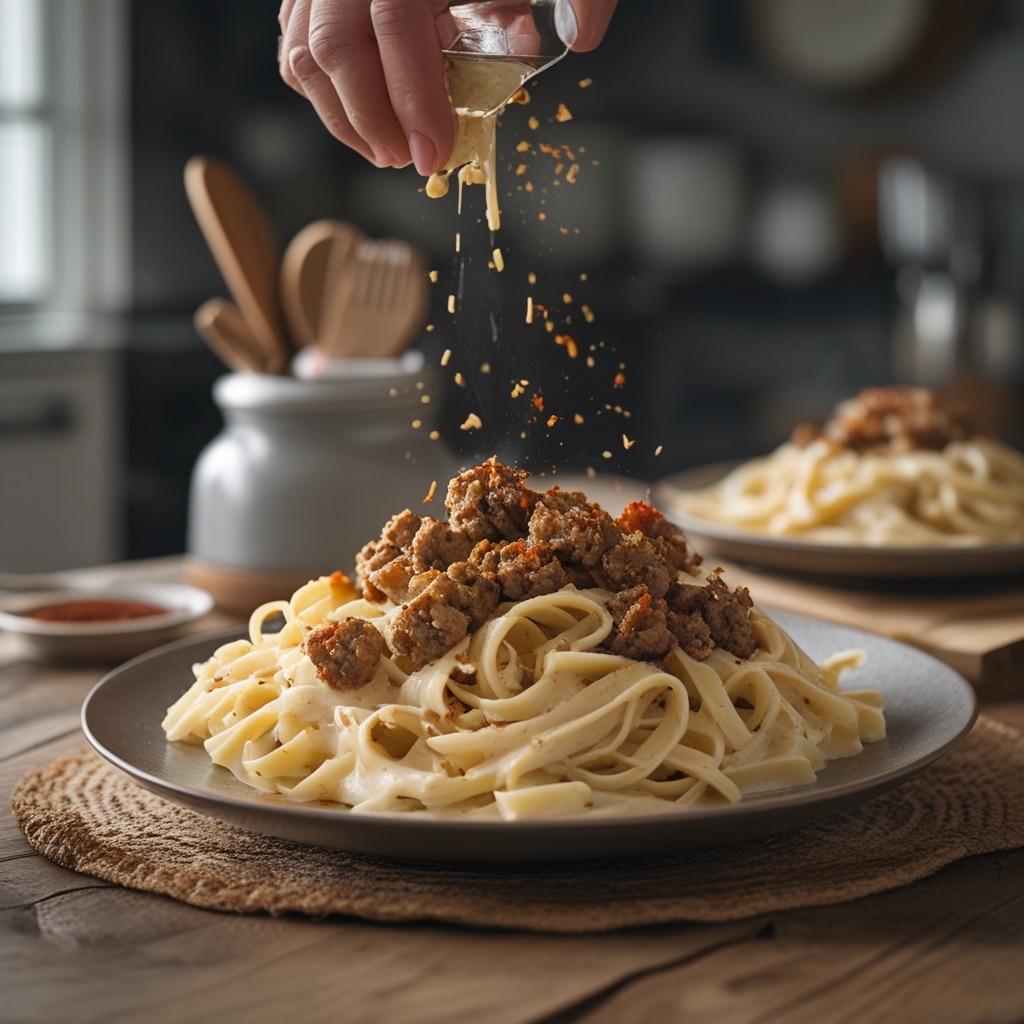
Plate your pasta immediately to preserve the creamy consistency. For presentation, top with freshly chopped parsley, grated cheese, and a dash of smoked paprika. The final dish should look vibrant — creamy gold sauce accented with flecks of herbs and sausage slices that tempt your appetite.
—
Tips
A successful pasta dish is all about timing, texture, and temperature control. Here are key tips to master this recipe:
– Use quality sausage: Opt for hickory-smoked or Andouille sausage; they add complexity and authentic Cajun flavor.
– Mind your heat: Too much heat can break the cream sauce. Keep it low when adding dairy.
– Layer your flavors: Don’t skip deglazing the pan after browning the sausage. A splash of broth or white wine lifts the flavorful bits left behind.
– Fresh cheese matters: Pre-grated Parmesan often contains anti-caking agents that prevent smooth melting. Freshly grated cheese ensures a creamier sauce.
– Reserve pasta water: This starchy addition helps emulsify and stretch the sauce, maintaining creaminess even if the dish cools slightly.
These insights not only improve your dish’s taste but also ensure consistency — a crucial factor for anyone sharing their recipe online or cooking for guests.
—
Alternative Methods
The beauty of this Cajun-inspired creamy pasta is its flexibility. You can easily adapt it to different protein, spice, or dietary preferences while keeping the same indulgent experience.
1. Protein Variations
– Chicken or shrimp alternative: Swap the sausage for seared chicken breast strips or shrimp for a leaner but still flavorful take. Adjust Cajun seasoning accordingly, since seafood tends to absorb spice quickly.
– Vegetarian version: Replace meat with smoky tempeh or grilled mushrooms. A drizzle of liquid smoke can replicate that deep, rich essence.
2. Dairy-Free Version
– Use full-fat coconut milk instead of cream for a lighter yet luscious base. Nutritional yeast or vegan cheese can substitute Parmesan without sacrificing creaminess.
3. Pasta Substitutes
– Switch traditional pasta with gluten-free fettuccine or zucchini noodles for a lower-carb alternative. Just ensure sauces are thickened slightly more to adhere well to vegetable-based noodles.
4. Spice Adjustments
– Not everyone enjoys the same heat level. Blend paprika and cayenne to customize intensity, or incorporate a few drops of hot sauce for extra zest.
Each variation not only personalizes the experience but also enhances your kitchen creativity — an essential factor in building confidence as a home cook.
—
Conclusion
In the end, Cajun Smoked Sausage Alfredo Pasta stands as more than just a quick dinner option — it’s a flavorful showcase of Southern comfort and culinary craft. The smoky sausage harmonizing with creamy Alfredo and Cajun spices creates an irresistible fusion that satisfies both spice lovers and comfort food enthusiasts. Beyond its irresistibly rich taste, what makes this dish shine is its adaptability; you can simplify it for busy nights or elevate it with gourmet touches for special occasions.
As with any recipe, the best version is the one you make your own. So next time you’re craving bold, creamy pasta that warms both heart and palate, gather your ingredients, trust your technique, and serve this Cajun classic with confidence. It’s comfort elevated — a delicious reminder that rich flavors are born from simple, soulful cooking.
—
Word count: ~924 words