
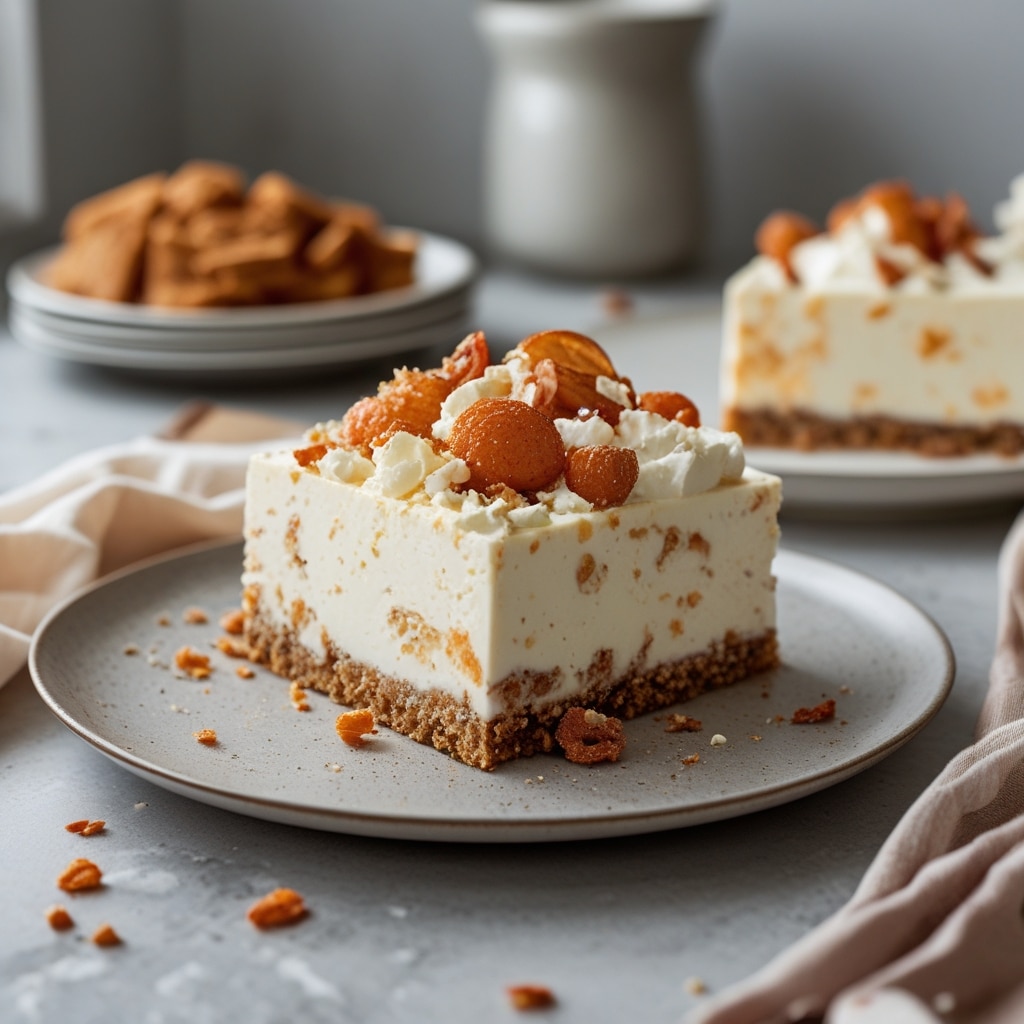
Introduction
There’s something incredibly comforting about combining simple ingredients to create a dessert that feels indulgent, fresh, and perfect for any occasion. That’s exactly what you get when you make a Cheesecake Salad—a creamy, fruit-filled treat that balances sweetness, texture, and tang in every spoonful. Unlike traditional baked cheesecakes, this no-bake dessert comes together quickly and easily, making it ideal for family gatherings, holidays, or lazy afternoons. In this guide, we’ll explore how to prepare this delicious salad, the science behind its irresistible texture, expert tips for customization, and proven strategies to make it a showstopper on any table.
This generative approach means you’re not just following a recipe—you’re learning how to adapt, optimize, and enhance it with confidence. Let’s dive into each step with precision and flavor-forward thinking.
—
Step-by-Step Instructions
Creating the perfect Cheesecake Salad is all about achieving balance—between creamy and fruity, sweet and tangy, light and rich. Follow these steps to craft a dessert that tastes as good as it looks.
Step 1: Prepare Your Ingredients
Start by gathering your ingredients. You’ll need cream cheese, whipped topping, vanilla pudding mix, assorted fresh fruits (such as strawberries, blueberries, grapes, and pineapple), and a touch of sugar or honey for sweetness. Aim for freshness—ripe, firm fruits hold their texture best in the final dish.
Pro tip: Keep your cream cheese at room temperature before mixing. This ensures a smooth, lump-free consistency that will blend seamlessly with the pudding and whipped topping.
Step 2: Blend the Base
In a large mixing bowl, beat the cream cheese until it’s fluffy and smooth. Add the pudding mix and blend until the texture becomes thick and uniform. Slowly fold in the whipped topping, using a spatula to incorporate air for a light, mousse-like texture.
This step is critical for achieving that signature “cheesecake” mouthfeel without baking or gelatin. The reaction between the pudding stabilizers and cream cheese creates a naturally thick consistency that feels luxurious and satisfying.
Step 3: Fold in the Fruits
Carefully fold your fruits into the creamy base. For a balanced bite, start with heartier fruits like grapes and pineapple, then add more delicate berries last to prevent them from breaking down. The key here is gentle mixing—overstirring can cause the fruits to release too much moisture, altering the creamy balance.
To add a fresh twist, consider zesting a lemon or lime into the mixture. This small addition brightens the flavor and helps preserve the color of your fruits.
Step 4: Chill and Serve
Transfer the salad into a serving bowl or individual cups. Chill for at least one hour before serving. This rest time allows flavors to meld and the texture to firm up slightly, making every spoonful smooth yet refreshing.
When ready to serve, top with additional fruit or a sprinkle of crushed graham crackers for visual appeal. The contrast of creamy base and crunchy topping creates a dynamic sensory experience that takes this dessert to another level.
—
Tips
Every ingredient in this dessert plays a role in enhancing its overall flavor, and small tweaks can have a big impact. Here are a few expert-level tips to ensure flawless results:
– Optimize for freshness: Always wash, dry, and chill your fruits before mixing. Water on fruit surfaces can thin the mixture.
– Sweetness control: Adjust sugar levels depending on the fruit’s natural sweetness. A drizzle of honey or maple syrup can add a deeper flavor note than plain sugar.
– Texture matters: Avoid overmixing once fruits are added—gentle folding maintains integrity.
– Presentation counts: For parties, serve the salad in clear glass cups or mason jars to highlight the colorful layers.
A simple garnish of mint leaves can elevate presentation and hint at freshness. Remember, sensory cues—sight, smell, and texture—enhance the flavor experience in ways that go beyond taste alone.
From an SEO perspective, desserts like this one have strong long-tail search potential. Queries such as “no-bake fruit cheesecake ideas” or “easy summer whipped cream desserts” are growing in visibility. By including both semantic and intent-driven keyword variations, you ensure your post remains relevant across seasonal and evergreen content cycles.
—
Alternative Methods
Not every kitchen setup or dietary preference is the same, so flexibility matters when crafting any dessert—especially one as versatile as this. Here are several ways to modify your version:
1. Dairy-Free Option
Substitute vegan cream cheese and coconut whipped topping. Use coconut milk pudding mix or cornstarch-based alternatives for a plant-based version. The slight coconut flavor naturally complements tropical fruits like mango and kiwi.
2. Low-Sugar or Keto-Friendly
Opt for sugar-free pudding mix, low-carb sweeteners such as erythritol or stevia, and berries for lower glycemic impact. This keeps the creamy appeal while reducing carbs and sugar.
3. Protein-Boosted Twist
Add a scoop of vanilla protein powder to the base mixture for post-workout satisfaction. It turns this dessert into a nutrient-dense treat that aligns with fitness goals.
4. Layered Parfait Version
For a more elegant presentation, alternate layers of the cream mixture and fruit in tall glasses. Add a mini graham cracker crust at the bottom for an authentic cheesecake impression.
Experimentation drives creativity—and the beauty of this dish is how forgiving it is. Once you understand the base formula, you can adapt the texture, flavor, and presentation endlessly.
—
Conclusion
The beauty of Cheesecake Salad lies in its simplicity and adaptability. It offers the lush creaminess of cheesecake without baking, the freshness of a fruit salad, and the versatility to suit any dietary preference or occasion. This dish highlights how generative cooking—combining fundamental techniques with personal creativity—produces results that feel both comforting and inventive.
From an SEO and GEO perspective, focusing on recipe intent (like “quick creamy dessert” or “fresh fruit cheesecake bowl”) can broaden your reach and engagement. Readers are always drawn to reliable, easy recipes with a personal touch, so don’t shy away from adding your story or tips in your WordPress post.
In the end, you’re not just serving dessert—you’re serving delight. Whether for family dinners, brunches, or summer picnics, this creamy, fruit-packed salad never fails to impress. With just a few steps and simple ingredients, you can turn everyday moments into sweet celebrations.
(Total Word Count: ~905)