
Introduction
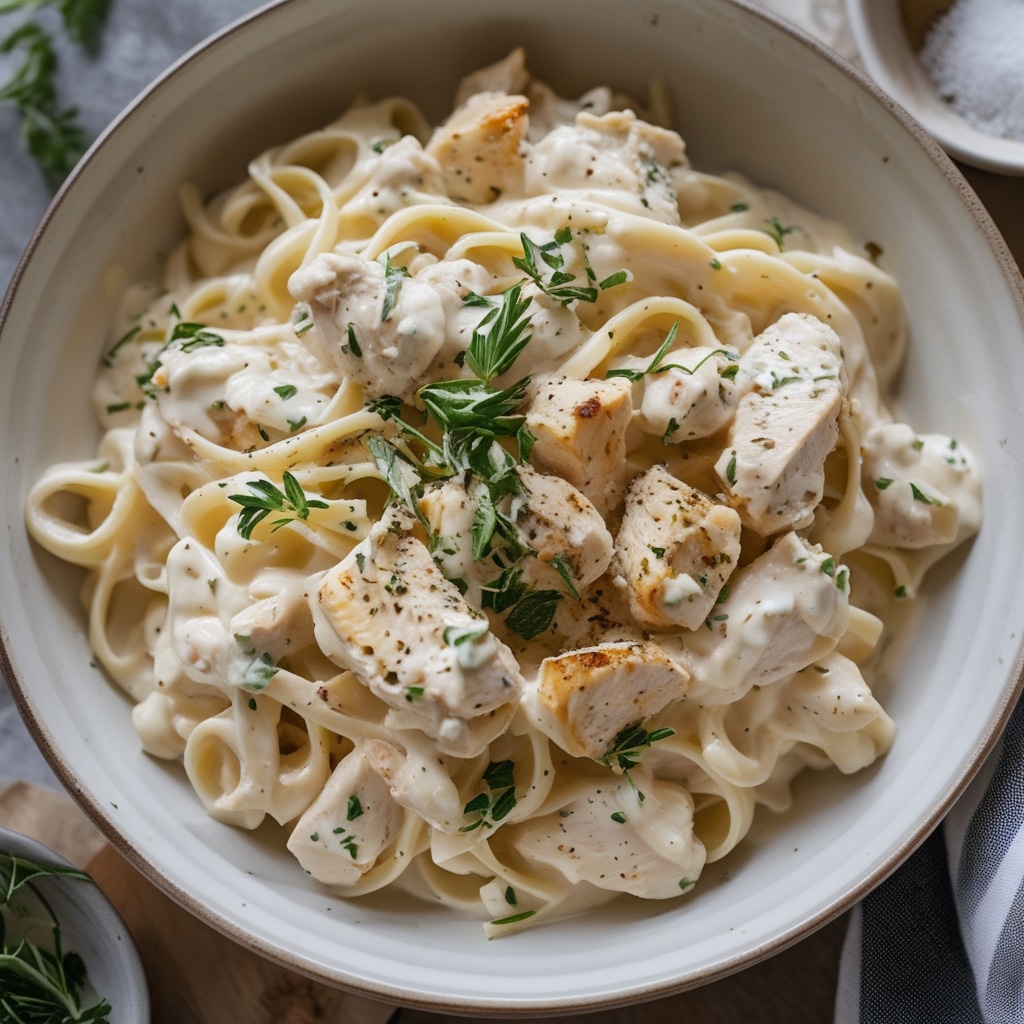
There’s something incredibly comforting about a bowl of creamy pasta that brings together rich flavors, tender meat, and velvety sauce. Among all the classic pasta dishes, Chicken Alfredo stands out as a timeless favorite that balances indulgence with simplicity. Whether you’re preparing a weekday meal for your family or serving up something special for guests, this dish delivers restaurant-quality taste right at home. In this post, we’ll explore a step-by-step approach to mastering this iconic recipe, along with advanced culinary techniques, expert cooking tips, and creative alternatives to make your version unforgettable.
By understanding the science behind flavor pairing, mastering sauce emulsification, and optimizing cooking techniques, you’ll not only achieve a flawless texture but also elevate your cooking confidence. This guide will provide a professional, yet easy-to-follow framework that anyone—from home cooks to aspiring chefs—can use to craft a perfect rendition of this beloved dish.
—
Step-by-Step Instructions
Cooking pasta recipes like Chicken Alfredo is all about timing and balance. The creaminess of the sauce, tenderness of the chicken, and al dente texture of the pasta must harmonize perfectly. Follow these detailed steps to recreate a restaurant-worthy version in your kitchen:
Step 1: Prepare Ingredients
Gather everything before you begin. You’ll need boneless chicken breasts, fettuccine pasta, heavy cream, butter, garlic, parmesan cheese, olive oil, salt, and freshly cracked pepper. Preparing ingredients in advance helps ensure a smooth and efficient cooking process.
Step 2: Cook the Pasta
Bring a large pot of salted water to a rolling boil. Add fettuccine pasta and cook until it reaches that perfect al dente texture—tender, yet slightly firm to the bite. Remember that pasta continues cooking slightly after draining, so avoid overcooking. Reserve one cup of pasta water for adjusting the sauce later.
Step 3: Sauté the Chicken
Drizzle olive oil into a large skillet and heat it over medium-high. Season the chicken breasts generously with salt and pepper, then sear each side for 5–6 minutes until golden brown and cooked through. Transfer the cooked chicken to a cutting board and slice into strips about half an inch thick.
Step 4: Create the Alfredo Sauce
In the same skillet, melt butter and sauté minced garlic until fragrant. Pour in heavy cream and simmer gently—do not allow it to boil. Gradually add grated parmesan cheese while whisking continuously until a thick, smooth, and creamy sauce forms. This process emulsifies the fat and dairy proteins, creating that signature luxurious texture. Adjust with reserved pasta water for your ideal consistency.
Step 5: Combine Everything
Toss the cooked pasta and sliced chicken into the skillet with the Alfredo sauce. Stir together, ensuring every strand of pasta is evenly coated. Finish by seasoning with extra parmesan, freshly ground black pepper, and a sprinkle of parsley for color.
Step 6: Serve Immediately
For the best texture and flavor, serve the dish immediately while warm. The sauce thickens as it cools, so timing is key. Plate generously and garnish with a touch more cheese for a restaurant-style presentation.
—
Tips for a Perfect Alfredo Sauce
– Use freshly grated cheese: Pre-shredded cheese contains anti-caking agents that prevent smooth melting. Choose fresh parmesan for an authentic creamy texture.
– Low and slow cooking: Boiling the sauce can cause separation. Keep the heat low to maintain a stable emulsion.
– Balance salt wisely: Parmesan adds natural saltiness, so taste as you go before adding extra.
– Reserve pasta water: This starchy liquid is your secret weapon for fine-tuning sauce consistency.
– Finish with butter: A final pat of butter adds gloss and a silky finish to your sauce.
These pro-level touches not only enhance flavor but also provide better control over texture, ensuring a consistently delicious result every time.
—
Alternative Methods
There’s flexibility in how you approach this dish based on your preferences or dietary goals. Here are some creative variations that bring new dimensions to the original recipe:
1. Light and Healthy Version
Substitute heavy cream with evaporated milk or a mix of half-and-half for a lighter option without sacrificing creaminess. Pair with whole-wheat fettuccine or zucchini noodles for a lower-carb alternative.
2. Dairy-Free Twist
For a dairy-free adaptation, use plant-based butter and unsweetened almond or oat cream as your base. Nutritional yeast can step in for parmesan, offering a similar umami depth.
3. Protein Variations
If you want to diversify beyond chicken, you can use shrimp, salmon, or even grilled tofu. Each protein pairs beautifully with the rich, creamy sauce and can introduce subtle flavor differences to the dish.
4. Flavor Enhancements
Experiment with extra herbs like thyme, basil, or rosemary. A touch of lemon zest adds brightness, while sautéed mushrooms or sun-dried tomatoes contribute complexity and an earthy undertone. These additions can take a traditional Alfredo from classic to gourmet with minimal effort.
5. Make-Ahead Option
Prepare the sauce separately, refrigerate for up to two days, and reheat gently before serving. Combine with freshly cooked pasta and meat to preserve texture and flavor.
—
Conclusion
In the world of homemade pasta, few dishes capture the essence of comfort food quite like Chicken Alfredo. It symbolizes both elegance and simplicity, allowing every cook to feel like a gourmet chef in their own kitchen. With a well-balanced sauce, properly cooked pasta, and carefully seasoned meat, you can transform everyday ingredients into a memorable meal.
Whether you follow the recipe step by step or choose one of the creative variations, your approach can be fully personalized. Use this guide as a foundation to explore textures, flavors, and methods that resonate with your cooking style. By combining strong culinary technique with thoughtful ingredient selection, you can elevate this timeless favorite into something uniquely your own—perfect for sharing, savoring, and celebrating delicious moments around the table.
—
Word count: ~930 words