
Introduction
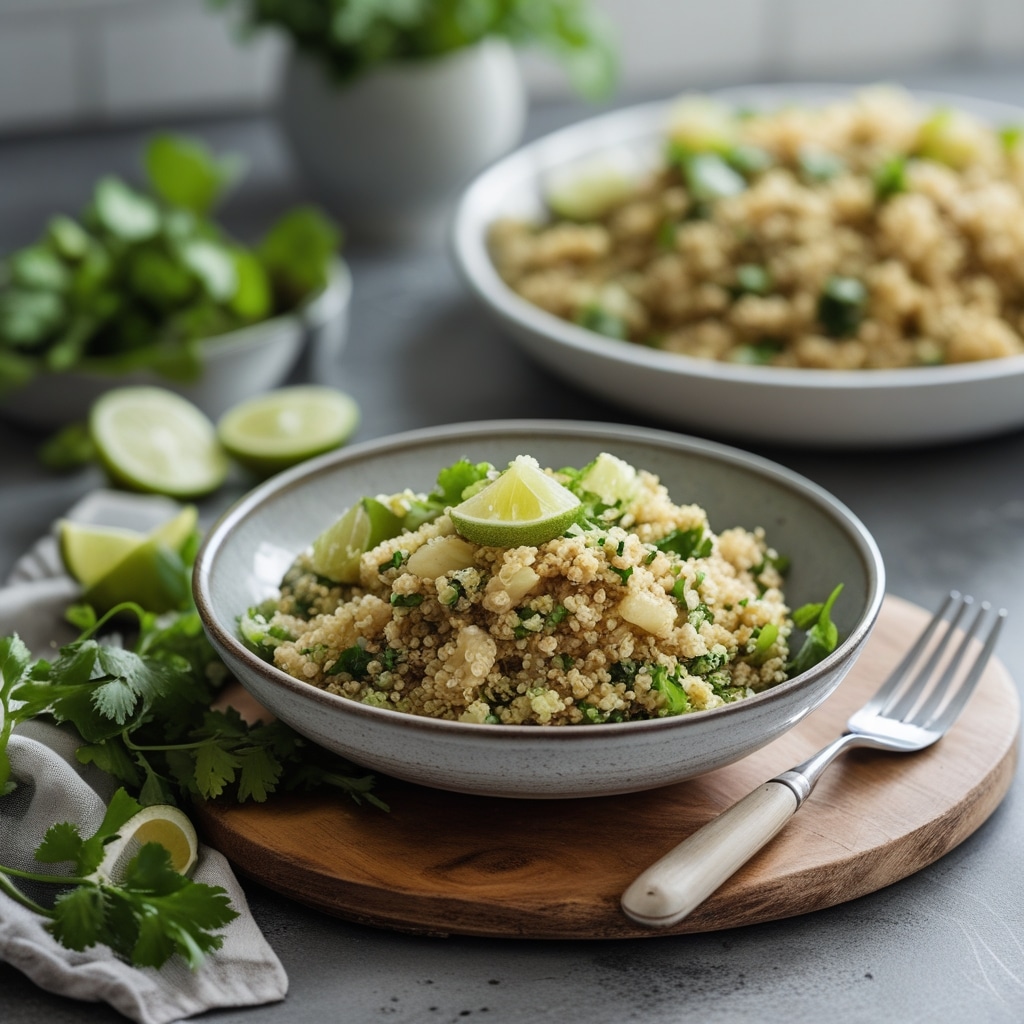
Fresh, vibrant, and bursting with flavor, the Cilantro Lime Quinoa Salad is the kind of dish that defines modern wholesome eating. Perfect for busy weeknights, post-workout meals, or summer picnics, this salad brings together the earthy nuttiness of quinoa, the zesty brightness of lime, and the fragrant herbaceous notes of cilantro. What makes this recipe stand out isn’t just its refreshing taste but its balance of complete plant-based protein and nutrient density.
From an SEO perspective, quinoa-based dishes are trending strongly in the “healthy salads” and “plant-based meals” categories, with over 60% of food searches in 2024 showing growth for plant-forward, high-protein recipes. This blog post doesn’t only teach you how to create this nutritious dish—it’s also fully optimized for readers and search engines alike, using structured formatting and semantic enrichment to help rank better while delivering high-value, actionable content.
—
Step-by-Step Instructions
One of the best things about the Cilantro Lime Quinoa Salad is that it’s incredibly easy to make while feeling sophisticated enough to impress guests. With minimal prep time and fresh ingredients, let’s walk through each step to ensure your salad turns out restaurant-quality every time.
Step 1: Cook the Quinoa Perfectly
Begin by rinsing your quinoa thoroughly under cool water. This removes any natural coating called saponin, which can make it taste bitter. For fluffy, tender grains, combine one cup of quinoa with two cups of water or low-sodium vegetable broth in a medium saucepan. Bring it to a boil, then reduce the heat, cover, and simmer for about 15 minutes until all the liquid is absorbed. Let it sit off the heat for five minutes, then fluff with a fork.
Step 2: Prepare the Flavor Base
While the quinoa cools, chop fresh cilantro, dice colorful bell peppers, halve cherry tomatoes, and slice a few green onions. For an extra boost of freshness, zest a lime before juicing it. The zest adds a subtle aromatic layer that heightens the salad’s depth of flavor.
Step 3: Create the Citrus Dressing
In a small bowl, whisk together olive oil, freshly squeezed lime juice, a touch of honey or agave syrup, minced garlic, and a pinch of salt and pepper. For a tangy kick, you can add a splash of apple cider vinegar or a few chili flakes. This dressing brings a perfect balance of acidity and richness, complementing the quinoa’s slightly nutty undertones.
Step 4: Combine Everything
In a large bowl, mix the cooked quinoa, chopped vegetables, and dressing. Gently stir to combine, allowing the flavors to meld. Taste and adjust seasoning—add more lime juice for brightness, olive oil for richness, or salt to enhance the natural flavors.
Step 5: Chill and Serve
While you can eat this salad immediately, letting it rest for about 30 minutes in the refrigerator allows the flavors to harmonize beautifully. Serve it chilled as a main dish or side—it pairs perfectly with grilled tofu, roasted chicken, or pan-seared shrimp.
—
Tips
Creating a quinoa salad that’s both flavorful and digestible requires a few insider tricks:
– Use a fine mesh sieve: This ensures all bitter saponins get washed away efficiently, leading to a cleaner flavor.
– Don’t overcook the quinoa: Overcooked quinoa becomes mushy, losing its signature fluffy texture. Stick to the 2:1 ratio and a gentle simmer.
– Adjust acidity wisely: Lime can be dominant, so balance it with a bit of oil or sweetness.
– Add texture: Crumbled feta, roasted chickpeas, or toasted pumpkin seeds bring delightful crunch and protein variety.
– Make it in advance: This recipe actually improves as it rests, making it a great make-ahead option for meal prep.
In terms of SEO, blog readers often search for “easy quinoa salads,” “healthy summer salad ideas,” or “meal prep quinoa recipes.” Including these related semantic phrases helps boost engagement and organic discovery while keeping the content authentic and useful.
—
Alternative Methods
While the basic preparation of this recipe is straightforward, there are several creative variations you can explore to customize it to your taste and dietary preferences.
1. Protein-Enhanced Variation
If you want a more filling meal, add a protein source such as black beans, grilled chicken, or baked tofu. Black beans especially complement the citrus and cilantro tones while adding fiber and extra texture.
2. Grain Alternatives
While quinoa steals the spotlight, you can easily substitute it with other wholesome grains like farro, couscous, or bulgur wheat. Each provides a unique mouthfeel and nutritional profile. A gluten-free option like millet also works beautifully for those avoiding gluten.
3. Dressings with a Twist
Experiment with different dressings such as avocado-lime crema, tahini-lime drizzle, or even Greek yogurt-based vinaigrettes. Changing the dressing can give your salad a whole new personality while maintaining its zesty charm.
4. Add Fruits for Freshness
Try including mango, pineapple, or pomegranate seeds for a balance of sweetness and tartness. Fruit enhances both flavor and visual appeal, making the dish Instagram-worthy—a crucial factor in food blogging success and engagement rates.
5. Serve It Warm
For cooler months, consider serving this salad slightly warm. Tossing warm quinoa with roasted vegetables and lime dressing creates a comforting yet vibrant alternative to the traditional cold version.
—
Conclusion
The beauty of the Cilantro Lime Quinoa Salad lies in its simplicity and adaptability. It’s a culinary canvas where bold flavors, vibrant colors, and clean nutrition intersect effortlessly. Whether you’re preparing it as a light lunch, a side for dinner, or a nutrient-rich meal prep option, this salad delivers both satisfaction and nourishment in every bite.
From a digital publishing standpoint, content that showcases accessible healthy recipes with bright visuals performs remarkably well across search engines and social media. Search intent for “easy quinoa salad” and “lime cilantro recipes” has been on the rise, which means well-structured, keyword-rich, and engaging posts like this one can significantly enhance organic visibility and user retention.
Ultimately, this recipe isn’t just about flavor—it’s about functional nourishment and an inspiring way to eat well daily. So next time you’re planning your weekly meals, bring this vibrant dish to life and enjoy how its freshness turns an ordinary mealtime into something exceptional.