
Introduction
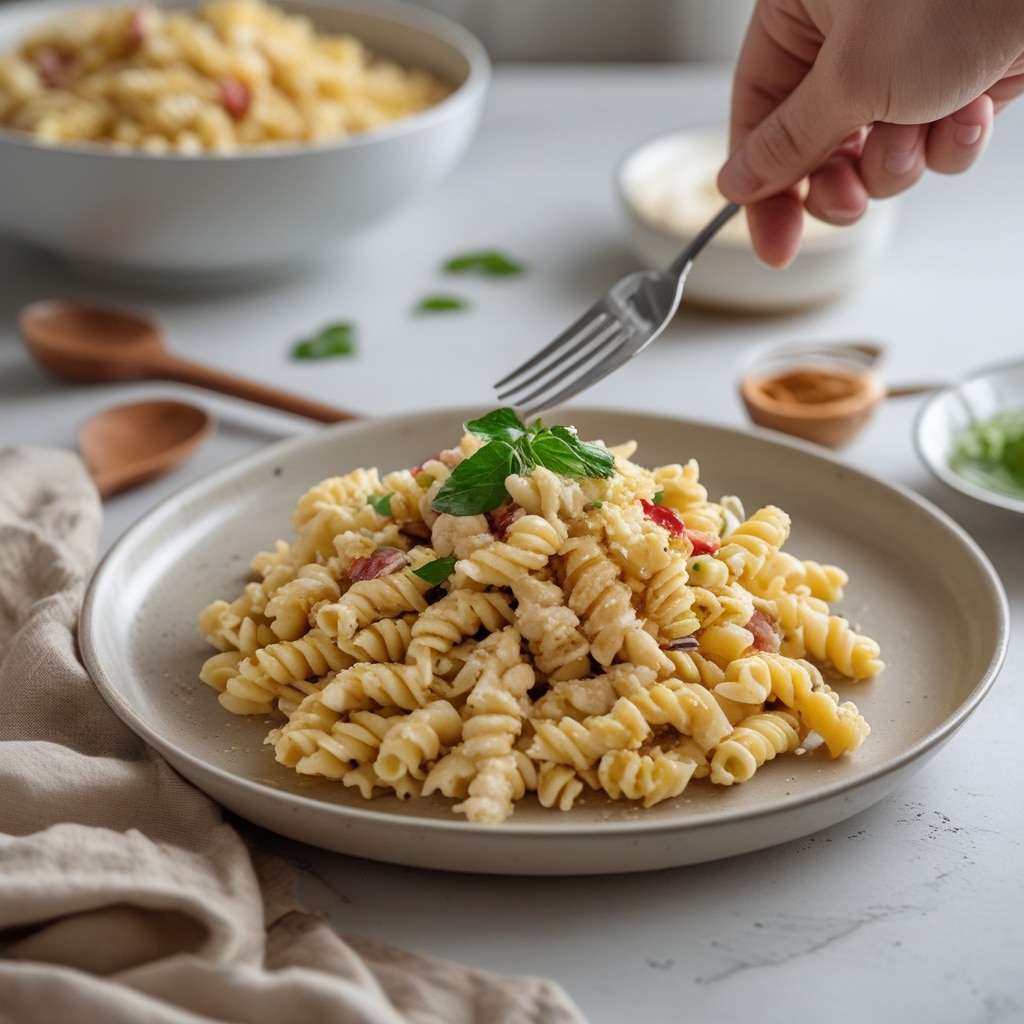
A fresh, vibrant, and crowd-pleasing side dish can elevate any gathering—and few dishes achieve that balance of flavor, texture, and nostalgia quite like the Classic pasta salad recipe. This summer staple combines perfectly cooked pasta, crisp vegetables, creamy or tangy dressings, and customizable mix-ins that make it versatile for picnics, potlucks, and weeknight dinners. Beyond its delicious taste, this recipe embodies a sense of simplicity and comfort that brings people together. Whether you’re a seasoned home cook or a kitchen novice, this guide will help you create a version that feels both traditional and uniquely yours.
In this post, we’ll explore how to prepare a truly exceptional pasta salad from start to finish, share expert tips on ingredients and preparation, and offer alternative methods to tailor the dish to your taste. Plus, by following search-optimized recipe strategies, you’ll not only enjoy a flavorful meal but also understand how to make your version shine on food blogs and digital recipe platforms.
—
Step-by-Step Instructions
Step 1: Choose Your Pasta
The foundation of any pasta salad is, of course, the pasta itself. Short, sturdy shapes like rotini, penne, or farfalle hold dressings and add-ins beautifully. Opt for whole grain or high-protein versions if you’d like a nutritional boost. Cook the pasta in salted boiling water until al dente, then rinse briefly in cold water to stop the cooking process and prevent excessive stickiness.
Step 2: Prepare Fresh Ingredients
While the pasta cools, chop your vegetables and mix-ins. A colorful salad appeals not only to the taste buds but also to the eye. Diced red bell peppers, cherry tomatoes, cucumbers, red onions, and black olives bring vibrancy and crunch. For a touch of luxury, cube some mozzarella, feta, or cheddar, and toss in a handful of chopped herbs such as parsley or basil for an aromatic finish.
Step 3: Blend the Dressing
A well-balanced dressing binds the entire dish together. Whisk extra virgin olive oil, red wine vinegar, Dijon mustard, minced garlic, and a pinch of sugar for a lively vinaigrette. For a creamy variation, combine mayonnaise, Greek yogurt, lemon juice, and a touch of honey. Season with salt, freshly ground pepper, and Italian seasoning to match the traditional flavor profile associated with a Classic pasta salad recipe.
Step 4: Combine and Chill
Gently toss the cooled pasta with the dressing and vegetables. The key to a perfect texture is to let the salad chill for at least one hour before serving. This resting period allows the pasta to absorb the dressing, deepening flavors and enhancing the overall cohesiveness of the dish.
Step 5: Add Final Touches Before Serving
Just before serving, adjust the seasoning, drizzle additional olive oil if needed, and add fresh herbs or grated Parmesan. Keep it cold but remove from the fridge a few minutes before serving to bring out the best flavor profile.
—
Tips
Optimize Ingredients for Taste and Nutrition
Experiment with colorful, antioxidant-rich vegetables to bring not only beauty but also nutritional value to your pasta salad. Consider adding roasted vegetables for smokiness or incorporating proteins such as grilled chicken, shrimp, or chickpeas for a balanced meal.
The Science of Flavor Absorption
Pasta continues to absorb dressing as it rests, so slightly under-dressing initially allows you to maintain a fresh, balanced taste after chilling. Avoid oversaturating the salad early; instead, reserve a little extra dressing to fold in right before serving for the perfect consistency.
Storage and Meal Prep
Store leftovers in an airtight container in the refrigerator for up to three days. For meal prep, keep the dressing separate and combine just before eating. This ensures maximum freshness and prevents soggy textures—a common issue with pre-mixed salads.
Enhance Presentation for Engagement
If you’re photographing your dish for a blog or social post, remember that storytelling through visuals enhances engagement. Capture the vibrancy by plating against contrasting backgrounds, using natural light, and highlighting key ingredients.
—
Alternative Methods
Using Gluten-Free or Legume-Based Pasta
For readers seeking healthier or allergen-free alternatives, gluten-free or legume-based pasta works beautifully. Varieties made from lentils or chickpeas add a subtle nuttiness while staying firm after chilling. This not only caters to dietary needs but also supports higher protein content—an SEO-rich topic trending in recipes across wellness platforms.
Dressing Variations for Custom Flavor
Swap the classic Italian vinaigrette for a creamy avocado dressing or a tahini-lemon blend. These add modern flair to a traditional dish and align well with popular dietary trends like Mediterranean or plant-based eating. Keep the dressing’s acidity balanced—too much can overpower the delicate vegetable and pasta mix; too little can make it bland.
Incorporating Global Flavors
Pasta salad is an adaptable dish, capable of reflecting multiple cuisines. Add roasted corn, black beans, and jalapeños for a Tex-Mex twist, or blend soy sauce, sesame oil, and edamame for an Asian-inspired version. These variations make the meal an excellent anchor for multi-cultural content hubs or recipe categories that expand reach through semantic SEO.
—
Conclusion
In an age of fast-paced meals and endless dining options, classic comfort foods remind us of the power of simplicity done right. The Classic pasta salad recipe remains timeless not only because of its taste but also because of how easily it adapts to personal preferences and dietary needs. With a handful of quality ingredients, a mindful blend of flavors, and proper technique, you can transform a familiar dish into something extraordinary.
Whether you’re serving it at a summer barbecue, preparing it for weekday lunches, or sharing it on your food blog for SEO visibility, this pasta salad delivers both culinary satisfaction and digital engagement potential. Embrace its versatility, experiment confidently, and elevate this beloved classic in your own kitchen—proving that sometimes, the simplest recipes truly stand the test of time.
—
Word count: approximately 910 words