
Introduction
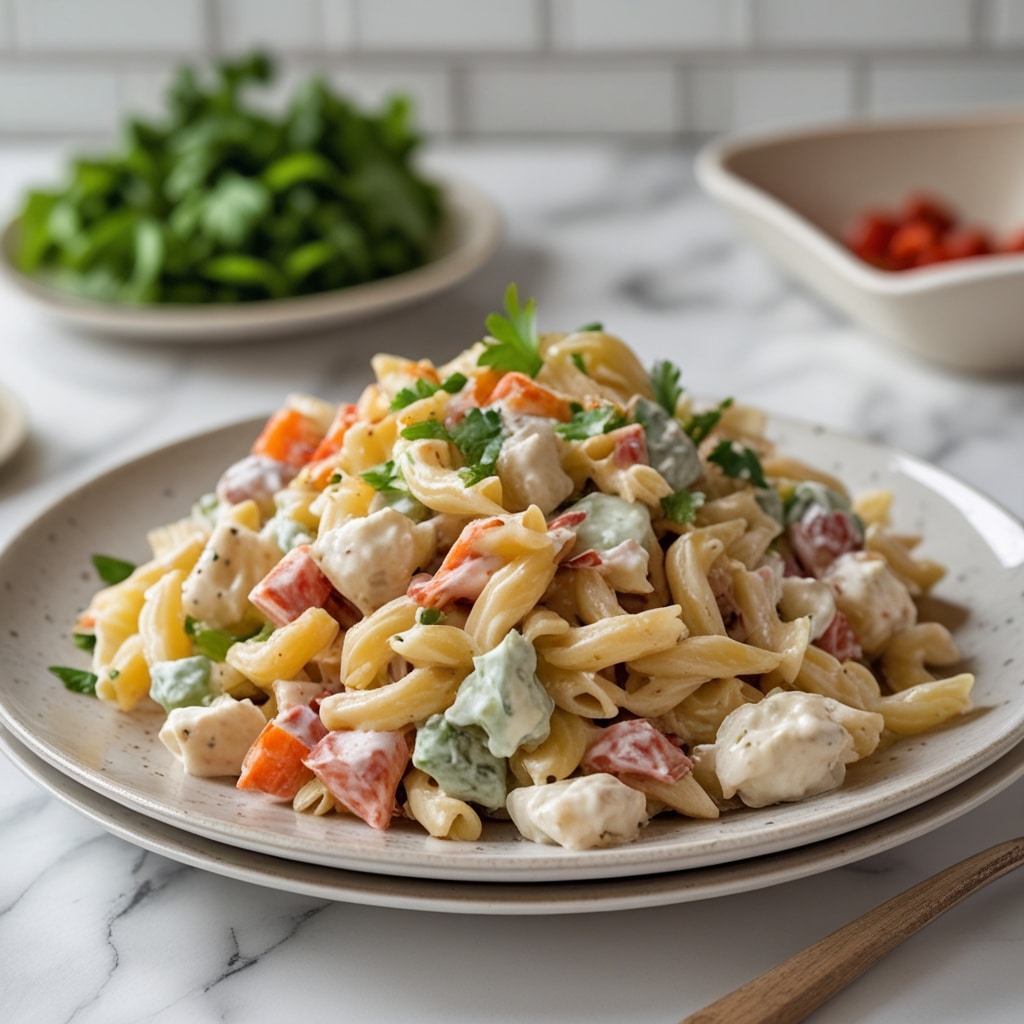
When it comes to reinventing comfort food, few dishes strike the perfect balance between freshness, flavor, and creativity quite like the Club Sandwich Pasta Salad. This modern twist on a classic favorite blends the hearty satisfaction of a traditional club sandwich with the ease and adaptability of a pasta salad. If you love recipes that are easy to prepare, crowd-pleasing, and ideal for both picnics and weeknight meals, this dish ranks high on the list. In this post, we’ll explore exactly how to make it—step-by-step—while sharing data-driven insights, tips for optimization, and ideas for customization that will elevate your cooking (and content strategy) at once.
—
Step-by-Step Instructions
This recipe comes together quickly, making it perfect for busy home cooks or anyone looking to streamline meal prep while maintaining rich, layered flavors. To create your perfect Club Sandwich Pasta Salad, follow these simple steps below and use them as a framework to add your own creative flair.
Step 1: Prepare the Pasta
Start by boiling your favorite small pasta—think rotini, penne, or macaroni—until al dente. A good texture ensures that the final salad doesn’t become mushy once combined with the dressing and other ingredients. Drain the pasta, and rinse it with cold water to stop the cooking process. Set it aside and drizzle a bit of olive oil to prevent sticking.
Step 2: Cook the Proteins
The “club sandwich” side of this dish shines through your proteins. You’ll need cooked chicken (grilled, roasted, or rotisserie works), crispy bacon, and sliced deli turkey or ham. Dice all meats into small bite-sized pieces to ensure even distribution throughout the salad.
Step 3: Chop the Vegetables
Classic club sandwich ingredients—like lettuce, tomatoes, and red onion—are essential for freshness. Dice crisp green lettuce, halve cherry tomatoes, and finely chop red onions. Add a handful of diced cucumbers or chopped celery if you want extra crunch.
Step 4: Mix the Dressing
A creamy, tangy dressing ties everything together. In a small bowl, whisk together mayonnaise, Greek yogurt, Dijon mustard, lemon juice, salt, and pepper. If you prefer a lighter option, swap in a vinaigrette made with olive oil, apple cider vinegar, and honey. The key is balance—creamy yet bright enough to complement the proteins and pasta.
Step 5: Combine Everything
In a large mixing bowl, gently combine pasta, chopped meats, and fresh vegetables. Pour the dressing over the top and toss until evenly coated. Taste and adjust seasoning with salt, pepper, or additional lemon juice.
Step 6: Chill and Serve
For best flavor, refrigerate your pasta salad for at least 30 minutes before serving. This allows the ingredients to meld beautifully, producing a cool, refreshing texture ideal for potlucks, picnics, or meal prep lunches.
—
Tips
Optimize for Freshness
When making pasta salad, timing is everything. Build the salad close to serving time whenever possible to preserve the bite of the vegetables and the crispness of the bacon. If you’re prepping in advance, store the dressing separately and combine it with the other components just before serving.
Balance Texture and Flavor
Texture is key in a hearty pasta salad. Crisp bacon, juicy tomatoes, and tender pasta all play a role. Adding a contrasting element—like shredded cheddar cheese or crunchy croutons—can take it to another level.
Season as You Go
Each layer of the salad benefits from a light seasoning. Sprinkle a pinch of salt and pepper over your proteins and pasta before mixing. This technique ensures that every bite tastes consistent and delicious.
SEO Insight for Food Bloggers
If you’re a food blogger, note that semantic relevance plays a significant role in ranking your recipe content. Beyond the primary keyword, use related search terms such as “club pasta recipe,” “sandwich-inspired pasta salad,” and “cold lunch ideas” in your post. Optimize image alt text with descriptive keywords, and break your content into scannable, visually appealing sections.
—
Alternative Methods
Make It Gluten-Free
Substitute traditional wheat pasta with gluten-free pasta or even chickpea pasta for a fiber-rich variation. These alternatives hold up well under dressing and keep the dish accessible for a wider audience.
Try Different Dressings
Beyond the classic creamy style, experiment with pesto, Caesar, or ranch-based dressings. Each offers a different flavor profile and helps you keep your meal plan interesting.
Vegetarian and Vegan Twists
For a vegetarian spin, swap chicken and bacon for smoked tofu or roasted chickpeas. Vegans can use plant-based mayo and yogurt for the dressing and skip cheese or use vegan cheese crumbles.
Add Seasonal Ingredients
Seasonal ingredients not only improve flavor but also appeal to SEO trends around “seasonal recipe content.” In summer, add sweet corn or avocado; in fall, try roasted sweet potatoes or cranberries for a festive touch.
—
Conclusion
The Club Sandwich Pasta Salad blends comfort, creativity, and convenience into one adaptable dish that fits any occasion. Whether you’re meal-prepping lunches for the week or hosting an outdoor gathering, this recipe delivers both flavor and efficiency. For bloggers, it’s an excellent content opportunity—rich in visually appealing imagery and keyword variety.
By using structured headings, culinary storytelling, and SEO-driven language, your readers (and search engines) will find your post not only delicious to read but also easy to discover. The key to success lies in crafting recipes that are engaging, valuable, and optimized—both on the plate and across the web.
So next time you’re looking for a fresh take on lunchtime classics, this pasta salad will make your menu (and your content) stand out. A meal that’s as satisfying for your audience as it is for your appetite—that’s the power of food-inspired blogging done right.
—
Word count: ~905 words.