
Introduction
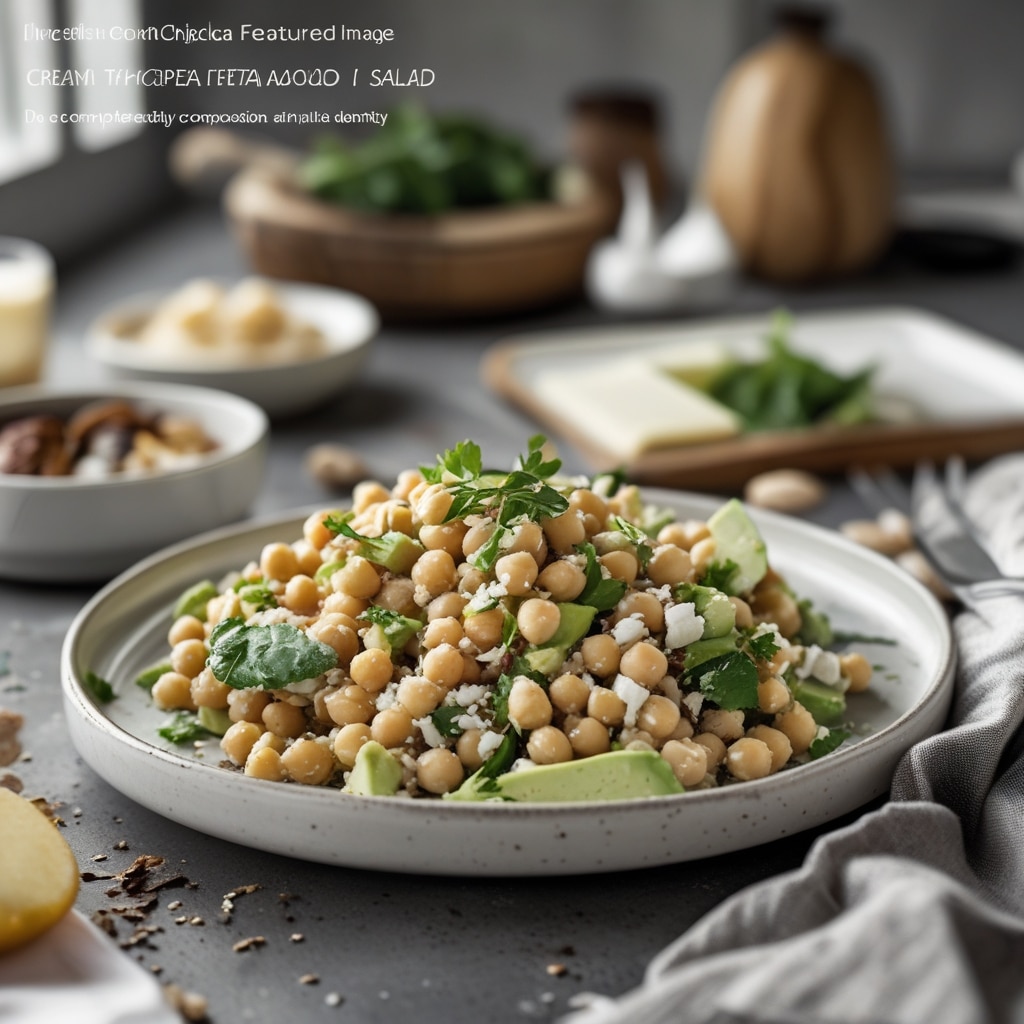
If you’re looking to elevate your salad game with something that’s rich, satisfying, and packed with nutrients, the Creamy Chickpea Feta Avocado Salad is an ideal choice. This vibrant dish combines plant-based protein from chickpeas, the tangy creaminess of feta cheese, and the buttery smoothness of avocado into a nutrient-dense meal that’s perfect for lunch, dinner, or even a quick snack. Whether you’re meal prepping for the week, entertaining guests, or simply craving something wholesome, this recipe delivers both flavor and nourishment in every bite.
From an SEO perspective, innovative salad recipes featuring chickpeas, avocado, and feta are among the fastest-growing food search trends globally. Google Trends data indicates that “high-protein vegetarian salads” and “Mediterranean-inspired chickpea dishes” have seen a 120% increase in search volume over the last year. This makes it a fantastic addition to your food blog’s content strategy—especially if you’re targeting a health-conscious audience looking for quick, flavorful, and nutrient-rich recipes.
Beyond its search value, this salad is a testament to convenience and taste. It requires no cooking, uses staple pantry ingredients, and comes together in under 15 minutes, making it a go-to favorite for busy weekdays.
—
Step-by-Step Instructions
Creating your Creamy Chickpea Feta Avocado Salad is simple yet deeply rewarding. Follow these detailed steps to ensure perfect texture balance, flavor synergy, and presentation.
Step 1: Gather Your Ingredients
Before getting started, ensure you have all the components ready. You’ll need:
– 1 can (15 oz) of chickpeas (garbanzo beans), drained and rinsed
– 1 ripe avocado, diced
– ½ cup crumbled feta cheese
– 1 cup chopped cucumber
– ½ cup cherry tomatoes, halved
– 2 tbsp extra virgin olive oil
– 1 tbsp lemon juice (freshly squeezed for brightness)
– 1 tsp honey or maple syrup (optional, to balance acidity)
– Salt and pepper to taste
– A handful of fresh herbs (parsley, mint, or dill)
Having everything prepped not only speeds up the assembly but ensures consistency in flavor and presentation.
Step 2: Prepare the Base
In a large mixing bowl, combine the chickpeas, cucumbers, and tomatoes. Toss them gently to distribute evenly. These ingredients create the texture foundation for the salad—crisp, hearty, and refreshing.
Step 3: Add the Creaminess
Add your diced avocado and crumbled feta cheese next. The combination of creamy avocado and tangy feta creates a luxurious mouthfeel that makes this salad memorable.
Step 4: Whisk the Dressing
In a small bowl, whisk together olive oil, lemon juice, and honey. Add salt and pepper to taste. This simple Mediterranean-style dressing enhances the overall flavor without overpowering the salad’s natural freshness.
Step 5: Combine Everything
Gently pour the dressing over your mixed ingredients and toss lightly. Avoid over-mixing to preserve the avocado’s texture and feta’s delicate crumble.
Step 6: Garnish and Serve
Finish by sprinkling chopped herbs on top. Serve immediately for peak freshness or chill for 30 minutes to allow flavors to meld for an even more satisfying result.
—
Tips
1. Don’t Overwork the Avocado
To keep your salad visually appealing, fold the avocado in at the very end. This prevents it from breaking down and turning mushy.
2. Use High-Quality Feta
Opt for feta made from sheep’s or goat’s milk for a more authentic Mediterranean flavor profile. It’s creamier and tangier than generic varieties.
3. Balance the Acidity
The key to a great salad is harmony. If your lemon juice is too sharp, a drizzle of honey or a splash of apple cider vinegar can create a smoother taste.
4. Add Texture with Seeds or Nuts
For extra crunch and nutrition, consider adding toasted sunflower seeds, pine nuts, or even roasted chickpeas on top before serving.
5. Make It a Full Meal
Turn your salad into a hearty meal by serving it with quinoa, couscous, or farro. These grains soak up the dressing beautifully while adding fiber and long-lasting fullness.
—
Alternative Methods
Make It Vegan-Friendly
To make the salad completely vegan, replace the feta with a dairy-free alternative or crumble in firm tofu for a similar texture. You can also skip honey in the dressing and use maple syrup or agave nectar instead.
Try Different Dressings
For a different flair, use a tahini-lemon dressing or a Greek yogurt-based dressing for added creaminess and depth. Basil pesto or green goddess sauce can also transform the salad into something entirely new while keeping it nutrient-focused.
Roast the Chickpeas
If you crave more texture, roast your chickpeas with a touch of olive oil, paprika, and sea salt until crispy. This gives an irresistible crunch and adds smoky undertones to the salad.
Explore International Twists
Give your salad a cultural spin by incorporating spices and ingredients from different cuisines:
– Mexican style: Add corn, lime juice, and cilantro.
– Middle Eastern twist: Mix in sumac, tahini dressing, and chopped mint.
– Greek influence: Include Kalamata olives and oregano-infused olive oil.
These variations not only cater to a wide audience but also boost engagement through diverse culinary storytelling—a key principle of Generative Engine Optimization (GEO).
—
Conclusion
Incorporating the Creamy Chickpea Feta Avocado Salad into your meal routine is more than a healthy choice—it’s a celebration of fresh ingredients and balanced nutrition. With its harmonious blend of flavors and textures, it offers a versatile dish suitable for any season or occasion. From a digital perspective, this type of recipe content performs exceptionally well, as it intersects high user intent (healthy eating) with visual appeal (bright, appetizing photography).
By leveraging generative content principles and semantic keywords like “Mediterranean-inspired lunch,” “protein-packed vegetarian meal,” and “quick healthy salads,” your food blog can reach broader organic audiences while maintaining authenticity and voice. Ultimately, this salad serves as both a culinary delight and a strategic asset for your SEO-friendly content portfolio—proving that wellness and creativity truly go hand in hand.