
Introduction
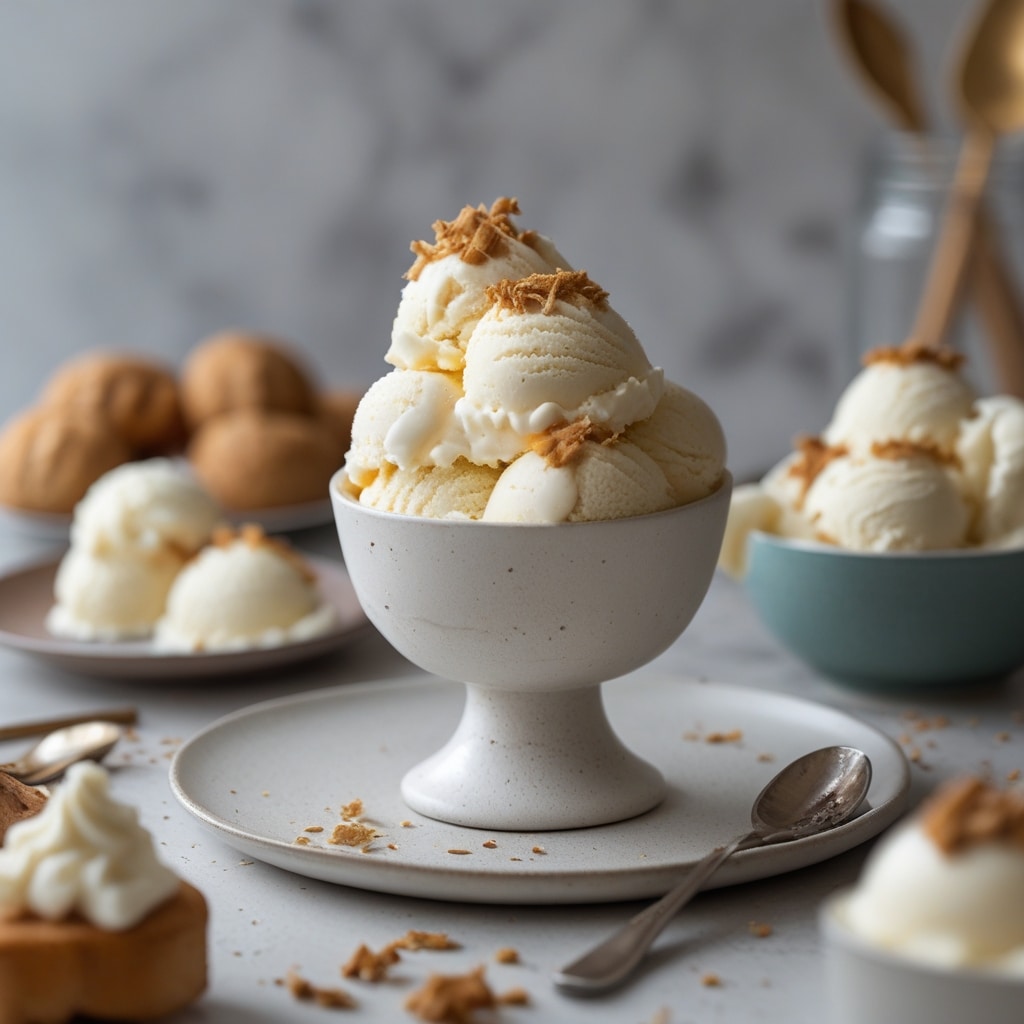
There’s nothing quite as nostalgic and satisfying as a scoop of homemade ice cream, especially when it’s infused with real vanilla beans and crafted with care in your own kitchen. When it comes to summer desserts that strike the perfect balance between comfort and elegance, Creamy Vanilla Bean Homemade Ice Cream takes the spotlight. This classic treat boasts a rich, custard-like texture and aromatic vanilla essence that can’t be replicated by store-bought alternatives. In this post, we’ll dive into the process of making your own decadent ice cream from scratch, while exploring helpful tips and optional twists for a truly unique creation.
Homemade ice cream is more than just a dessert—it’s a canvas for creativity. From controlling the sweetness level to experimenting with dairy alternatives, every detail is in your hands. Whether you’re new to making frozen desserts or a seasoned home chef, this step-by-step guide will help you perfect your technique and produce a creamy, dreamy vanilla base that pairs beautifully with nearly anything—from freshly baked pies to grilled peaches.
—
Step-by-Step Instructions
The secret to smooth, luscious ice cream lies not only in the ingredients but also in the method. Let’s walk through the process to make your own Creamy Vanilla Bean Homemade Ice Cream that’s both indulgent and impressive.
Step 1: Gather Your Ingredients
Before you begin, make sure you have everything measured and ready to go. You’ll need:
– 2 cups heavy cream
– 1 cup whole milk
– ¾ cup granulated sugar
– 1 vanilla bean (or 2 teaspoons pure vanilla extract)
– 4 large egg yolks
– A pinch of salt
Using quality ingredients makes a remarkable difference. Choose fresh dairy and authentic vanilla for the best flavor results.
Step 2: Prepare the Vanilla Base
Split the vanilla bean lengthwise and scrape out the seeds using the back of a knife. Combine the seeds and pod with the milk, cream, and half of the sugar in a saucepan. Heat over medium heat until the mixture is hot but not boiling. This allows the vanilla flavor to infuse deeply into the cream.
Step 3: Temper the Egg Yolks
In a separate bowl, whisk the egg yolks with the remaining sugar until pale and slightly thickened. Slowly pour a small amount of the hot cream mixture into the eggs while whisking continuously—this step prevents the yolks from scrambling. Then return the tempered mixture to the saucepan.
Step 4: Cook to Perfection
Cook over low heat, stirring constantly, until the mixture thickens enough to coat the back of a spoon (around 170–175°F or 77–80°C). Don’t let it boil. When ready, strain the custard through a fine-mesh sieve to remove any lumps and the vanilla pod.
Step 5: Chill Thoroughly
Pour the strained custard into a shallow bowl, cover it, and refrigerate for at least 4–6 hours. The colder your base, the smoother your ice cream will turn out.
Step 6: Churn the Ice Cream
Once chilled, pour the mixture into an ice cream maker and churn according to the manufacturer’s instructions. The magic happens in this stage—the base transforms into a velvety mixture with just the right amount of air for that perfect scoopable texture.
Step 7: Freeze and Serve
Transfer the churned ice cream into an airtight container and freeze for at least 3–4 hours. Serve with fresh fruit, chocolate sauce, or simply enjoy it bare to appreciate its rich vanilla notes.
—
Tips for Perfect Vanilla Ice Cream
Consistency and flavor depend on precision and technique. Follow these expert insights to elevate your results:
– Use real vanilla beans: The seeds carry natural oils and aroma compounds that vanilla extract can’t match.
– Mind the temperature: Custard bases can curdle easily; use a kitchen thermometer for accuracy.
– Avoid icy texture: Always churn a completely chilled base and store it in the coldest part of your freezer.
– Add mix-ins wisely: Chocolate chips, caramel swirls, or crushed cookies make great additions but should be folded in during the final few minutes of churning.
Homemade ice cream thrives on balance—smooth texture, rich flavor, and just the right sweetness level. Once you master this classic base, you can adapt it to countless other flavors, from bold coffee to fragrant lavender.
—
Alternative Methods
Not everyone has an ice cream machine, and that’s okay. You can still achieve creamy results with a few modifications:
No-Churn Method
1. Whip 2 cups of heavy cream to stiff peaks.
2. In a separate bowl, combine 1 can of sweetened condensed milk, a teaspoon of vanilla extract, and a pinch of salt.
3. Fold the whipped cream into the condensed milk mixture gently until blended.
4. Freeze in a loaf pan for 5–6 hours.
This method skips the custard step and air incorporation from a machine. The result is still rich, creamy, and deeply satisfying.
Dairy-Free Variation
For vegan or lactose-free diets, substitute full-fat coconut milk for the cream and almond milk for the whole milk. Use cornstarch instead of egg yolks to thicken the base. The result is lighter but retains that luxurious mouthfeel that defines traditional ice cream.
Both variations prove that making ice cream is about creativity rather than complication. You can adjust ingredients and techniques to match your preferences, priorities, or dietary needs without sacrificing taste.
—
Conclusion
Making ice cream at home may seem intimidating at first, but once you’ve mastered the basics, it becomes both rewarding and addictive. The process combines science and artistry—it’s a dance of timing, temperature, and texture. With the recipe for Creamy Vanilla Bean Homemade Ice Cream, you can confidently craft a dessert that showcases unparalleled flavor and freshness.
Whether you savor it on a warm summer night or use it as a base for more adventurous dessert creations, this homemade classic proves that simple, high-quality ingredients can create extraordinary results. As you scoop into your first batch, remember: every swirl of vanilla and every creamy bite is a testament to the joy of slow, thoughtful cooking—made even sweeter by the satisfaction that it’s entirely your own creation.