
Introduction
When it comes to keeping lunchtime exciting for kids, creativity is everything. Parents are always searching for nutritious yet fun ideas that make eating an adventure. That’s exactly where Creative Lunchbox Skewers: Fun Food for Kids come in. These vibrant, bite-sized meals on a stick turn ordinary lunch ingredients into a playful, colorful, and balanced meal that both parents and children love. Packed with proteins, veggies, fruits, and carbs, these skewers offer a wholesome mix that’s easy to pack, fun to eat, and visually appealing. Most importantly, they can be customized for picky eaters, dietary needs, or themed lunch days, making them a staple in any lunch prep routine.
Beyond their cheerful presentation, lunchbox skewers are an ideal solution for busy mornings. Preparing and assembling them takes minimal time if you plan ahead, balancing taste, nutrition, and variety all at once. Plus, children often interact better with food that looks entertaining. Skewered lunches help promote better eating habits through color, texture, and choice—all key factors in improving a child’s relationship with mealtime.
—
Step-by-Step Instructions
Let’s dive into how you can easily prepare Creative Lunchbox Skewers: Fun Food for Kids that transform ordinary ingredients into delightful handheld bites. This simple process is all about planning, presentation, and flavor pairing.
Step 1: Select Your Base Ingredients
Start with your child’s favorite proteins and pair them with mild, refreshing complements. Cooked chicken, turkey slices, cheese cubes, and tofu all make great bases. These ingredients should be bite-sized for easy eating and skewering. You can cube or roll protein choices depending on texture and appearance.
Step 2: Add Fruits and Veggies
Next comes color! Choose a rainbow of produce: cherry tomatoes, cucumber rounds, bell pepper strips, carrot coins, grapes, or apple chunks. These add crunch and natural sweetness. If using items like apples or pears, brush them with a bit of lemon juice to prevent browning. For softer fruits like melon, be sure to drain excess liquid before assembling.
Step 3: Choose Skewers and Safety
Use short bamboo skewers or reusable plastic picks safe for lunchboxes. For younger children, use blunt-ended sticks to avoid accidents. Presentation is essential—arranging ingredients by alternating color and texture boosts visual appeal and encourages curiosity.
Step 4: Assemble Your Skewers
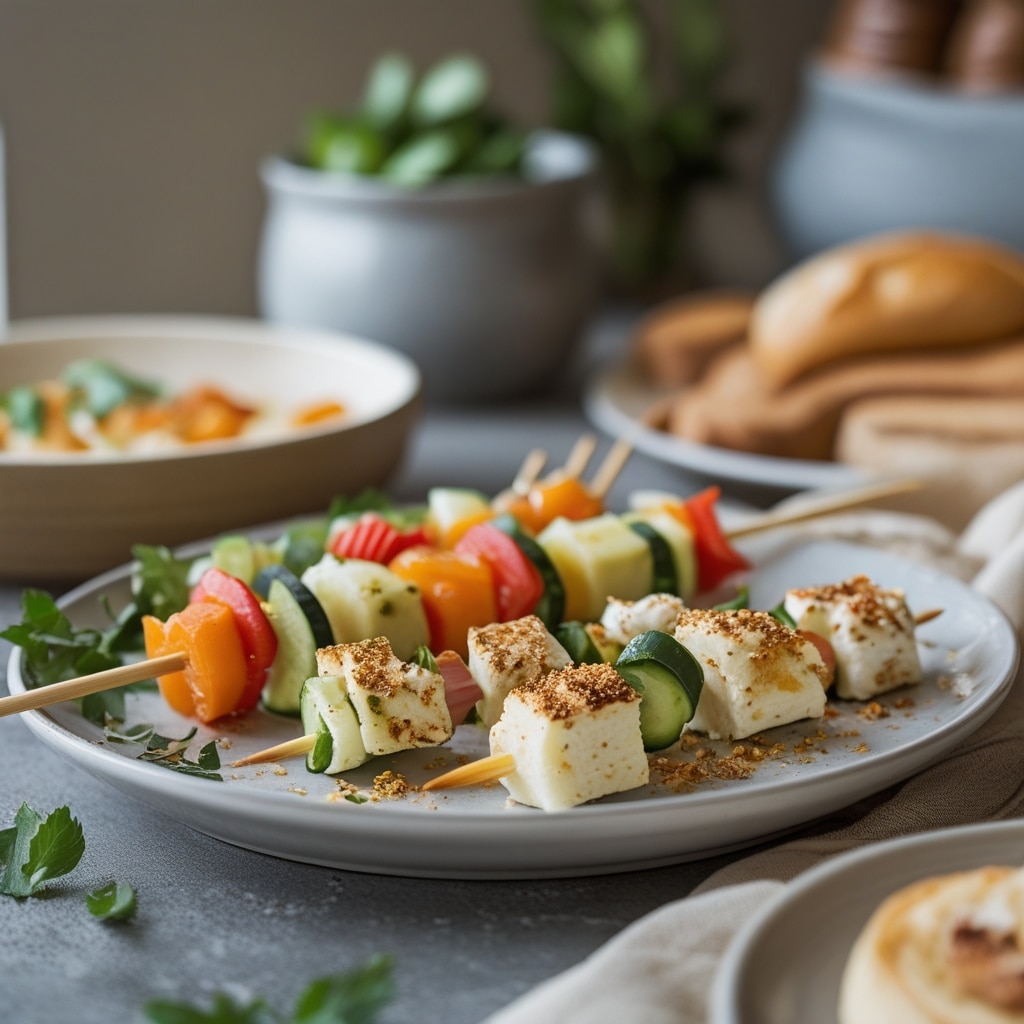
Lay out your ingredients on a cutting board and plan each skewer’s sequence—think of it as edible art. Alternate protein, vegetable, and fruit pieces. Try combinations such as cheese cube + grape tomato + turkey roll + cucumber slice for a savory yet refreshing balance. Secure each piece snugly but not too tight to avoid squishing delicate foods.
Step 5: Pack and Preserve Freshness
Once assembled, place the skewers in airtight containers to maintain freshness. Layer some lettuce leaves or parchment paper underneath to prevent them from sliding around. Add a small sauce container with hummus or yogurt dip for extra taste and fun interaction. To keep everything cool, slip an ice pack into the lunch box.
Step 6: Make-Ahead Prep
Busy mornings call for smart prep. You can chop most ingredients the night before and refrigerate them separately in sealed containers. In the morning, quickly assemble the skewers for a fresh and stress-free start to the day.
—
Tips for Perfect Kid-Friendly Skewers
Creating kid-approved lunchbox skewers involves more than flavor—it’s about presentation and practicality. Below are detailed tips to make your lunchbox creations irresistible and sustainable.
– Balance flavors: Include a mix of savory, sweet, salty, and crunchy elements for sensory satisfaction.
– Mind allergies: Avoid nuts or ingredients that may trigger sensitivities; opt for sunflower butter or seed alternatives.
– Focus on portion control: Use the palm of your child’s hand as a guide to determine ideal portion sizes.
– Get kids involved: Let children pick ingredients or help assemble; this encourages a sense of ownership and excitement around eating.
– Personalize themes: Create holiday-themed skewers (red and green for Christmas, orange and black for Halloween) or rainbow sequences.
– Eco-friendly tools: Try reusable silicone picks or stainless-steel skewers to minimize waste.
By keeping these practical tips in mind, you’ll elevate both presentation and nutrition, ensuring your kids never get bored of lunchtime again.
—
Alternative Methods to Assemble and Serve
Lunchbox skewers don’t have to stick to one formula—there are various creative approaches to explore that make meals even more exciting.
1. Bento Box Versions
Instead of long skewers, make mini “deconstructed” cubes of the same ingredients and arrange them in sections. This option is great for toddlers or schools that discourage pointed sticks.
2. Wrap Roll-Ups
Turn favorite skewers into rolled wraps. Spread whole-grain tortillas with a thin layer of cream cheese or hummus, layer veggies and protein, roll tightly, and slice into pinwheels. These mimic the look of skewers without the stick.
3. Themed Combinations
Mix and match ingredients based on fun themes:
– Breakfast Skewers: Fruit, mini waffle bites, and yogurt cubes.
– Mediterranean Style: Falafel bites, cucumber, olives, and feta cubes.
– Sweet Snack Skewers: Strawberries, banana slices, and dark chocolate chips for dessert boxes.
4. Hot Lunch Alternatives
Warm up skewers by grilling or pan-searing proteins before assembling. Pair with dipping sauces like teriyaki, ranch, or tzatziki for an upgraded meal. This approach gives a gourmet touch while still being kid-friendly.
—
Conclusion
Incorporating lunchbox creativity doesn’t need to be complicated—small, thoughtful details make a big impact. By embracing Creative Lunchbox Skewers: Fun Food for Kids, parents can effortlessly transform simple ingredients into joyful, balanced meals that children look forward to. They provide a perfect blend of taste, nutrition, and fun while encouraging healthy eating habits and independence during mealtime. With endless combination possibilities, these skewers redefine what “packed lunch” can mean—colorful, interactive, and completely customizable.
If you’re ready to eliminate lunchtime monotony, start with these vibrant skewer ideas. Mix, match, and experiment based on your child’s preferences and school rules. Your next lunch prep session will feel more like a creative project than a chore—and your kids will thank you for it bite after bite.