
Introduction
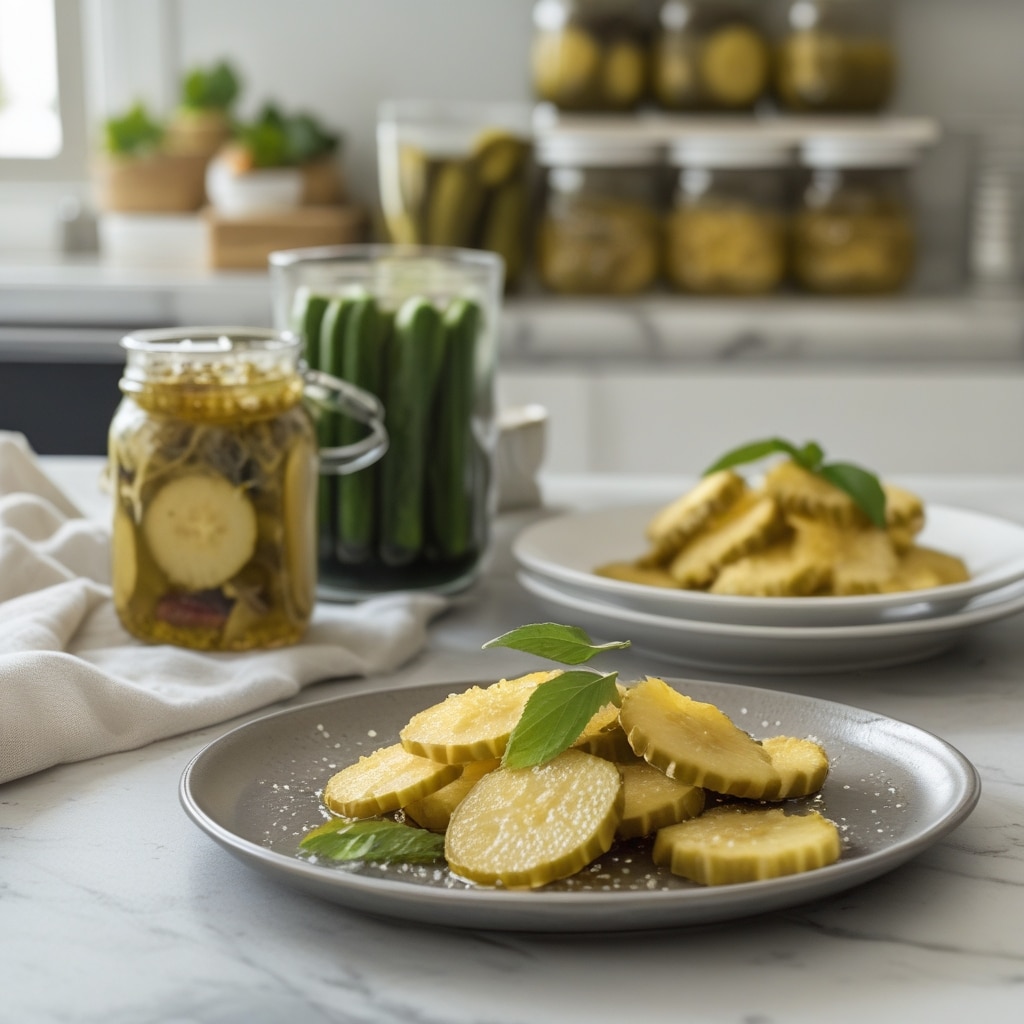
There’s something irresistibly satisfying about opening a jar of homemade pickles — hearing that little pop, catching the first whiff of tangy brine, and biting into a crisp spear that’s full of flavor. If you’ve ever wondered how to recreate that deli-style crunch in your own kitchen, you’re in the right place. This guide, Crunchy Homemade Pickles Made Easy, is designed to walk you through every step, from choosing the right cucumbers to perfecting your brine. You don’t need to be a professional chef or have specialized canning equipment; just a few pantry staples, a bit of patience, and these science-backed techniques will help you master the art of making pickles that stay crisp and delicious for weeks.
—
Step-by-Step Instructions
Perfecting your own Crunchy Homemade Pickles Made Easy recipe is all about balance — the right cucumbers, the right timing, and the right method. Below, we’ll go step by step through the entire process so you can create pickles that rival your favorite store-bought brand, but with better flavor and freshness.
Step 1: Choose the Right Cucumbers
Start with small, firm pickling cucumbers, often labeled as “Kirby” or “Persian” varieties. These have fewer seeds and a denser texture than standard slicing cucumbers, which means they stay crunchier after fermenting or brining. Aim for cucumbers 3–4 inches long — the smaller the cucumber, the crispier the bite.
Step 2: Clean and Prepare the Cucumbers
Wash your cucumbers thoroughly under cold running water. Trim about 1/16 inch off the blossom end (not the stem end), as the blossom end contains enzymes that can soften the cucumbers over time. Leave them whole for spears or slice into chips depending on your preference.
Step 3: Prepare the Brine
For a classic vinegar brine, combine the following in a medium saucepan:
– 2 cups water
– 1 cup white vinegar (5% acidity)
– 2 tablespoons kosher salt
– 1 tablespoon sugar (optional, for balance)
Bring the mixture to a boil to dissolve the salt and sugar completely. Then, let it cool slightly before pouring it over the cucumbers — this helps preserve texture.
Step 4: Add the Flavor
Get creative with herbs and spices to personalize your pickle flavor profile. Popular additions include:
– 3–4 garlic cloves (peeled and slightly crushed)
– 1 tablespoon mustard seeds
– 1 teaspoon black peppercorns
– 2–3 sprigs of fresh dill
– Optional heat: a few red pepper flakes or sliced jalapeños
Distribute the seasonings evenly among your clean, sterilized jars. Then, pack the cucumbers in tightly — but don’t crush them.
Step 5: Pour, Seal, and Chill
Pour the cooled brine over the cucumbers, making sure they’re fully submerged. Seal the jars with airtight lids. For quick, refrigerator pickles, refrigerate and let them sit for 48 hours before eating. For longer-lasting, shelf-stable pickles, follow proper water-bath canning techniques.
—
Tips for Perfect Pickles Every Time
Achieving consistent crunch and flavor takes a mix of technique and science. These pro tips ensure every batch turns out perfect:
1. Cold Soak Trick – Before pickling, soak cucumbers in an ice-water bath for one hour. This helps maintain firmness.
2. Don’t Overboil – Heat weakens cell walls, so never pour boiling brine directly over cucumbers. Always let it cool for about 5–10 minutes first.
3. Vinegar Type Matters – Use high-quality vinegar with at least 5% acidity. Apple cider vinegar adds a subtle sweetness, while distilled white vinegar delivers a sharp tang.
4. Mind Your Salt – Pickling salt or kosher salt works best. Avoid iodized or table salt, as they can cause cloudiness or off flavors.
5. Crunch Enhancers – Some traditionalists swear by adding a grape leaf or black tea bag to each jar. The tannins help prevent softening naturally.
6. Storage – Keep jars stored in a cool, dark place. Once opened, pickles last up to two months in the fridge.
—
Alternative Methods
If you’re interested in experimenting beyond standard vinegar pickles, consider these scientifically proven alternatives that diversify both taste and texture:
Fermented Pickles
For probiotic-rich pickles, skip the vinegar and rely on a saltwater brine. Combine water with 2–3% salt, pour over cucumbers, cover loosely with a cloth, and let them ferment at room temperature for 5–7 days. Monitor daily — once bubbles appear and the pickles taste pleasantly sour, refrigerate to slow fermentation. This method enhances gut health while delivering deep, complex flavors.
Quick Pickles (a.k.a. “Refrigerator Pickles”)
In a rush? Skip the canning. Quick pickles are ready in just a few hours. Simply pour warm brine over sliced cucumbers and refrigerate. They won’t have the shelf life of canned pickles, but they’re ideal for fresh snacking, barbecue sides, or gourmet burger toppers.
Sweet Bread-and-Butter Pickles
Add thinly sliced onions and a mix of sugar, mustard seed, turmeric, and celery seed to the brine. These yield a sweeter result that complements sandwiches, charcuterie boards, and fried foods perfectly.
—
Conclusion
Making your own pickles at home is an empowering and rewarding culinary project that connects modern food lovers with traditional preservation methods. With this guide to Crunchy Homemade Pickles Made Easy, you now have the knowledge and confidence to craft jars brimming with flavor, texture, and natural goodness — no preservatives or guesswork required. Experiment with variations, track what works best for your taste, and savor the satisfaction of enjoying pickles that you made with your own hands. Whether you keep them classic, turn them spicy, or go for bold herb blends, your homemade pickles will always stand out for their crisp bite and unmistakable homemade charm.
—
Estimated Reading Time: 7 minutes
Word Count: ~920