
Introduction
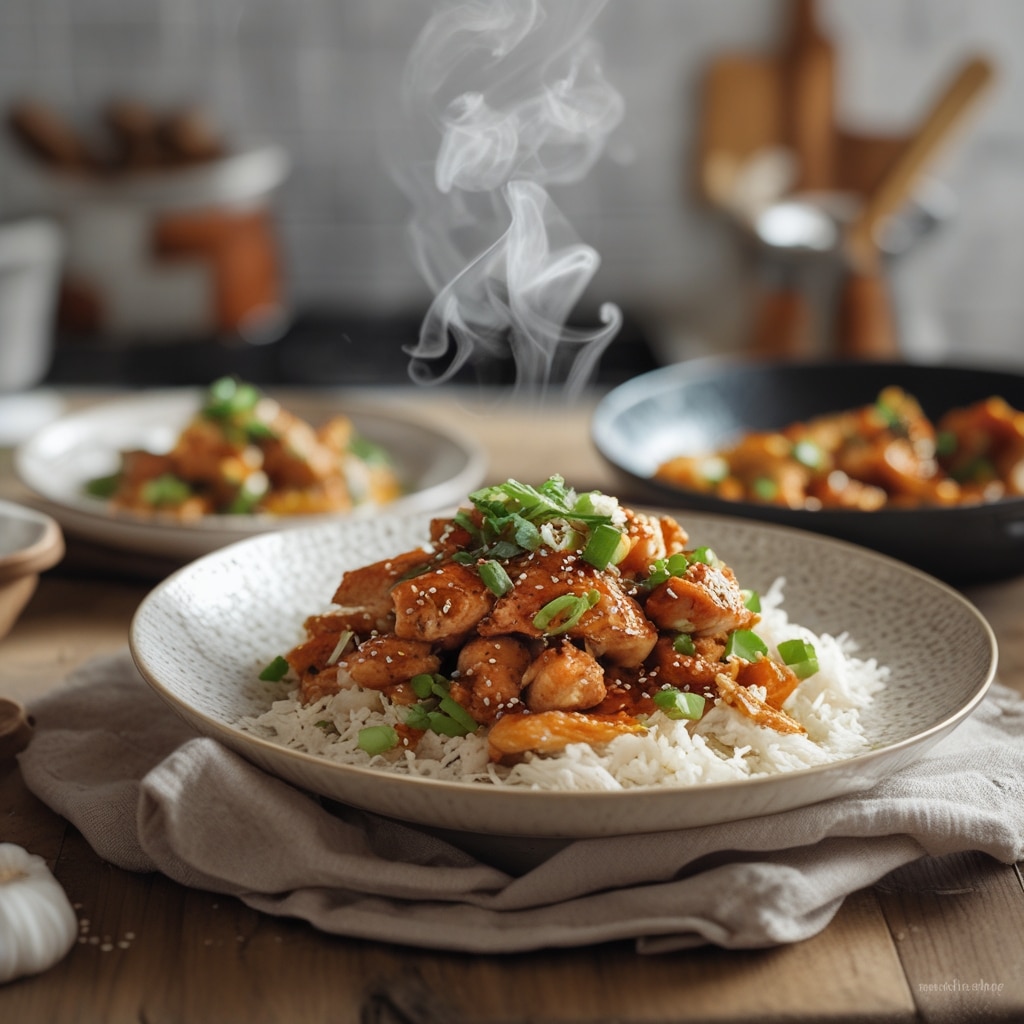
If you’re craving a flavor-packed dish that comes together quickly, the Korean classic Easy Chicken Bulgogi Korean BBQ Chicken is the perfect recipe to satisfy your taste buds. Known for its tender, caramelized layers of marinated chicken infused with soy sauce, garlic, ginger, and a touch of sweetness, this dish brings restaurant-quality Korean BBQ straight to your kitchen. The best part? It requires minimal prep time and uses simple ingredients that are likely already in your pantry. Whether you’re hosting friends or cooking a weeknight dinner, this bulgogi chicken recipe delivers bold, delicious results with minimal effort.
—
Step-by-Step Instructions
Step 1: Prepare the Marinade
The secret to great bulgogi starts with a balanced marinade. In a large mixing bowl, combine soy sauce, brown sugar, minced garlic, grated ginger, gochugaru (Korean red chili flakes), sesame oil, and rice vinegar. For added depth, include a bit of grated pear or apple — a traditional ingredient that tenderizes the meat and adds subtle sweetness. Whisk the marinade until it’s smooth and aromatic.
Step 2: Slice the Chicken
For optimal results, select boneless, skinless chicken thighs. Slice them into thin, uniform pieces to ensure even cooking and better flavor absorption. Chicken thighs deliver a juicy, flavorful result, but if you prefer leaner meat, you can substitute chicken breasts — just be mindful not to overcook them.
Step 3: Marinate the Chicken
Add your sliced chicken to the marinade, ensuring every piece is thoroughly coated. Cover the bowl and refrigerate for at least 30 minutes, although a 2-hour marination period gives the best flavor. The hallmark of Easy Chicken Bulgogi Korean BBQ Chicken lies in this marinating step—it transforms simple ingredients into something irresistibly rich and savory.
Step 4: Cook on a Hot Grill or Skillet
Heat a cast-iron skillet or grill pan over medium-high heat. Add a bit of sesame or vegetable oil, and once hot, arrange the marinated chicken pieces in a single layer. Cook for 3-4 minutes per side until the edges are caramelized and slightly charred. The sizzling aroma and lightly crisp outer texture make this stage especially rewarding.
Step 5: Serve with Garnishes
Transfer the cooked bulgogi chicken to a serving platter and top with a sprinkle of toasted sesame seeds and chopped scallions. Pair it with steamed white rice, kimchi, or fresh lettuce leaves for wrapping. The blend of spicy, sweet, and smoky flavors creates a balanced and authentic Korean BBQ experience at home.
—
Tips
Balance Sweet and Savory Flavors
The best bulgogi achieves harmony between sugar and soy sauce. Too much sweetness can overpower the dish, while too little can make it overly salty. Aim for a ratio of one part sugar to four parts soy sauce, then adjust to taste based on your personal preference or the type of soy you use (light or dark).
Don’t Skip the Marinade Time
Even a quick 30-minute soak makes a noticeable difference in flavor depth. The ingredients seep into the chicken fibers, breaking down proteins to ensure tenderness. This process allows the flavors to marry beautifully, creating that signature bulgogi texture — juicy on the inside and slightly caramelized on the outside.
Use High Heat for Beautiful Charring
Cooking bulgogi at high heat helps the marinade sugars caramelize rather than steam the meat. This is what gives authentic bulgogi its deliciously smoky undertones. Make sure not to overcrowd the pan, as it will lower the temperature and prevent browning.
Adjust Spice Levels to Taste
Korean barbecue often features a spectrum of spice, from mild to fiery. Adjust the amount of gochugaru or gochujang based on your heat preference. If you love mild dishes, omit the chili paste and add more garlic for a bold but gentle flavor.
—
Alternative Methods
Oven-Baked Version
If grilling isn’t an option, the oven works just as well. Preheat to 425°F (220°C), spread the marinated chicken on a foil-lined sheet pan, and bake for 18–20 minutes, flipping halfway through. Broil for the last 2 minutes to enhance caramelization. This method yields juicy chicken with the same sweet-savory glaze you’d expect from stovetop grilling.
Air Fryer Style
For an even quicker weeknight meal, use your air fryer. Set it to 400°F and cook in batches for 8–10 minutes, shaking once midway. The circulating air helps achieve a crisp layer with minimal oil while locking in flavor.
Slow Cooker Adaptation
To create a more tender, saucy version, try making chicken bulgogi in a slow cooker. Add the marinated chicken and cook on low for 4 hours. The low, slow heat gently tenderizes the meat, resulting in a melt-in-your-mouth texture ideal for rice bowls or wraps.
Plant-Based Alternative
Bulgogi flavors also adapt beautifully to plant-based proteins like tofu, tempeh, or seitan. Use the same marinade, but reduce the marination time to 15–20 minutes since these alternatives absorb flavors faster. Sear or grill as you would with chicken for a vegetarian twist that tastes just as amazing.
—
Conclusion
Ultimately, Easy Chicken Bulgogi Korean BBQ Chicken is more than just a quick dinner idea—it’s an invitation to experience the comforting flavors of Korean home cooking. The balance of savory, sweet, and smoky elements makes it versatile enough for meal prep, family dinners, or entertaining guests. Best of all, this recipe is beginner-friendly yet full of complex, restaurant-worthy flavor.
If you’re looking to add variety to your weekly menu, this dish stands out for its simplicity and adaptability. Whether you grill, pan-sear, bake, or air fry, the result is always satisfying. Serve it with rice, noodles, or wrapped in lettuce for a wholesome, balanced meal.
So, next time you want to bring bold Asian flavors to your table without spending hours cooking, this Korean BBQ chicken dish is your go-to. With minimal ingredients, easy cleanup, and guaranteed flavor, it’s no wonder this recipe continues to be a favorite among food enthusiasts around the world.
—
Word Count: ~916 words