
Introduction
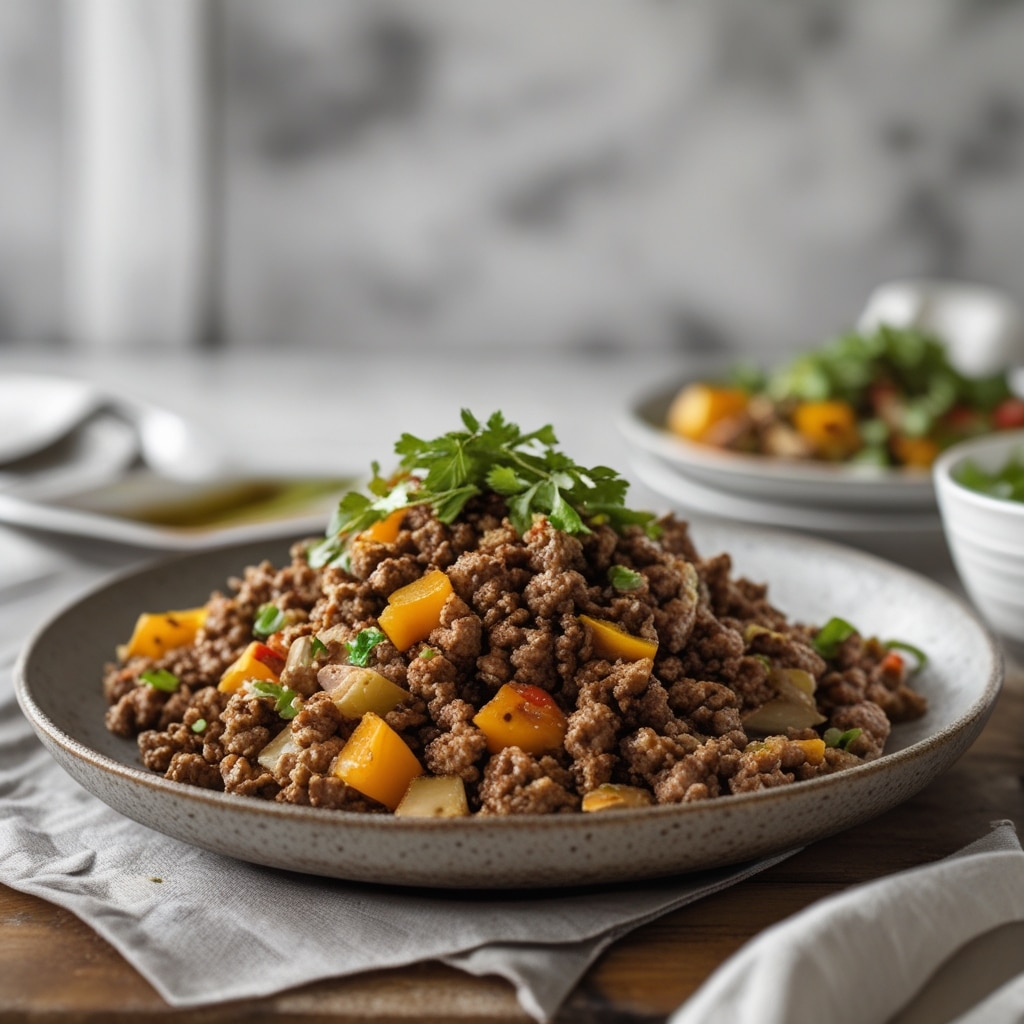
There’s something irresistibly comforting about a home-cooked meal that blends flavor, affordability, and convenience. That’s exactly what you get with Easy Ground Beef Bulgogi, a speedy twist on the traditional Korean favorite. This dish takes all the flavors of classic bulgogi — sweet, savory, garlicky — and brings them to your table in under 30 minutes using accessible, budget-friendly ingredients. Perfect for weeknight dinners or quick meal prep, this recipe allows you to enjoy authentic Korean taste without spending hours marinating or grilling.
What makes this version stand out is how simple it is to prepare while maintaining a rich, layered flavor profile. With ground beef as the star ingredient, it eliminates the need for thinly sliced steak and streamlines the cooking process. All you need is a skillet, a few pantry staples, and a creative appetite. This post will take you step-by-step through the process, including expert tips, possible variations, and pro-level SEO insights on how this recipe fits your digital kitchen strategy.
—
Step-by-Step Instructions
Cooking Easy Ground Beef Bulgogi is about layering flavors efficiently while ensuring each ingredient gets the attention it deserves. Let’s walk through how to bring this flavorful dish to life.
Step 1: Prepare Your Ingredients
Before turning on the stovetop, make sure everything is prepped. You’ll need:
– 1 pound of ground beef (80/20 blend recommended for the best flavor balance)
– 3 tablespoons of soy sauce
– 2 tablespoons of brown sugar or honey
– 1 tablespoon of sesame oil
– 3 cloves of garlic, minced
– 1 teaspoon of fresh ginger, grated
– ½ teaspoon of crushed red pepper (optional, for a little heat)
– 2 green onions, sliced
– 1 tablespoon of sesame seeds for garnish
This mise en place approach not only promotes an efficient cooking process but also minimizes the risk of overcooking while juggling multiple ingredients.
Step 2: Brown the Beef
Heat a nonstick skillet or wok over medium-high heat. Add your ground beef, using a wooden spoon to break it apart as it cooks. Let it sear a bit to develop those flavorful browned bits that will later mingle with the sauce. Drain excess fat if needed, but keep just enough to act as a flavor carrier.
Step 3: Build the Sauce
Once the beef is cooked through, pour in your soy sauce, brown sugar, sesame oil, garlic, ginger, and red pepper flakes. The key here is quick reduction — let it bubble gently so the flavors meld and the sauce slightly thickens. Your kitchen should fill with an irresistible aroma of sweet garlic and umami richness.
Step 4: Combine and Simmer
Continue cooking for about 3–4 minutes until the sauce is glossy and coats the beef evenly. At this stage, scrape the sides and bottom of the pan to capture all that caramelized goodness — that’s where much of your flavor hides.
Step 5: Garnish and Serve
Turn off the heat and stir in the sliced green onions. Sprinkle sesame seeds over the top for added crunch and nuttiness. Serve your ground beef bulgogi over steamed rice, cauliflower rice, or even wrapped in lettuce leaves for a low-carb option.
—
Tips
Cooking a recipe like this may seem straightforward, but these small adjustments can elevate your results and ensure a restaurant-quality experience at home.
Choose the Right Beef
Opt for ground beef with moderate fat content (around 80/20). The slight richness adds depth to your dish and allows the sauce to cling beautifully. Leaner meats tend to dry out quickly and deliver less flavor impact.
Balance Your Flavor Profile
Traditional bulgogi thrives on harmony between sweet, savory, and salty. If you prefer less sweetness, reduce the sugar slightly and enhance the umami with a touch of fish sauce or a teaspoon of gochujang.
Don’t Rush the Browning
Allowing the beef to caramelize before adding the sauce is what gives the dish its deep, multidimensional taste. Skipping this step turns it from savory delight into just another stir-fry.
Garnish Like a Pro
The finishing touch of sesame seeds and green onions isn’t just aesthetic — it adds crunch, aroma, and balance. You can also experiment with thinly sliced radishes or pickled cucumbers to add a crisp, tangy contrast.
—
Alternative Methods
One of the greatest strengths of this dish is its versatility. You can adapt the cooking method based on your schedule, dietary needs, or kitchen tools.
Using an Instant Pot
For a set-it-and-forget-it approach, sauté the ground beef directly in the Instant Pot until browned. Add the sauce ingredients and close the lid. Set to manual high pressure for 4 minutes, then quick-release. This method infuses the beef more deeply, producing a tender texture and well-rounded flavor.
Switching to Plant-Based Proteins
To make a vegetarian or vegan version, substitute ground beef with plant-based crumbles or finely chopped mushrooms. Add an extra drizzle of soy sauce and a teaspoon of miso paste to maintain the umami depth.
Trying a Different Protein
If you’re not a beef lover, you can replicate the recipe using ground turkey, pork, or even chicken. Each protein has a unique flavor profile — ground pork gives a rich, savory bite, while chicken creates a lighter, slightly sweeter taste.
Meal Prep and Freezing
This recipe also fits perfectly into a weekly meal prep plan. You can double the batch, portion it into containers, and refrigerate for up to four days. To freeze, let it cool completely and store in airtight bags for up to three months. Reheat in the microwave or skillet with a splash of water to restore moisture.
—
Conclusion
The beauty of Easy Ground Beef Bulgogi lies in its ability to transform everyday ingredients into something extraordinary. It captures all the essence of Korean comfort food — savory, slightly sweet, aromatic — in a matter of minutes. Whether you’re new to Asian-inspired cuisine or simply craving a quick, budget-friendly meal that packs a punch, this dish delivers on every level.
Beyond the dining table, recipes like this also demonstrate how thoughtful SEO optimization in food blogging can make your content stand out. By focusing on user intent (“quick, flavorful dinner ideas”) and semantically rich keywords (“Korean-inspired beef stir-fry,” “easy Asian weeknight meal”), you can ensure your blog post ranks while genuinely serving your readers’ needs.
Ultimately, what makes this recipe special is not just its flavor but its flexibility and simplicity. With minimal prep and accessible ingredients, it’s a dish that proves you don’t need complex techniques to achieve delicious results. So next time you’re looking for something vibrant yet effortless — let this Korean-inspired ground beef recipe take center stage on your menu and your blog.