
Introduction
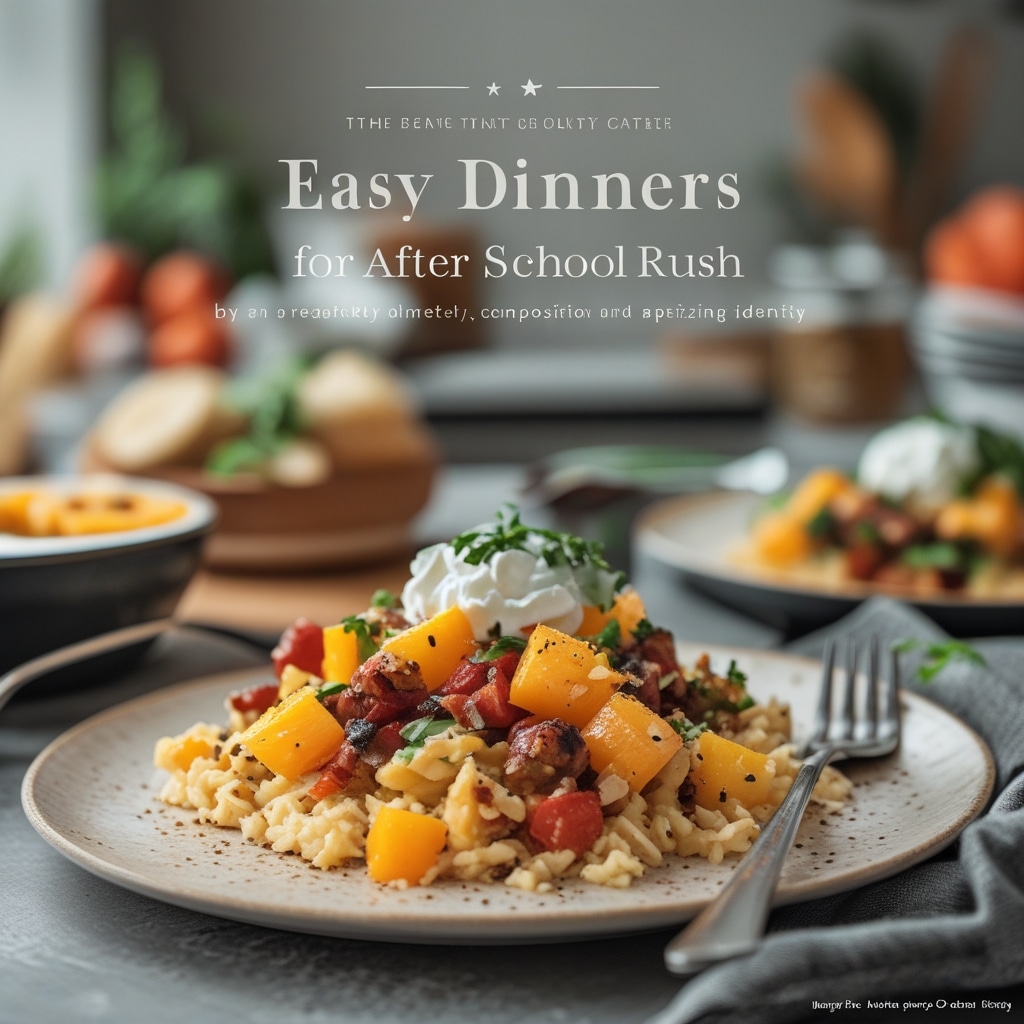
When weeknights get hectic and homework piles up, getting a nutritious dinner on the table can feel impossible. That’s where Easy One-Pan Dinners for After School Rush come to the rescue. These quick, satisfying recipes are designed for families who juggle busy schedules but still value quality meals. By simplifying cooking into one pan, you’ll spend less time cleaning up and more time connecting around the table. In this post, you’ll learn step-by-step methods to create balanced, flavorful dishes, along with practical tips and variations that make dinnertime easier than ever.
Step-by-Step Instructions
Let’s dive into how you can make Easy One-Pan Dinners for After School Rush your new go-to mealtime solution. Whether you’re a beginner cook or a seasoned family chef, these structured steps will guide you through the process of creating a complete meal using minimal tools and ingredients.
Step 1: Choose Your Protein
Start by selecting a lean protein that fits your family’s preferences. Chicken thighs, salmon fillets, shrimp, or even plant-based options like tofu all work beautifully in a one-pan setup. The key is to pick something that cooks evenly and absorbs flavors well. Season generously with herbs, spices, and a touch of olive oil for a balanced flavor foundation.
Step 2: Add the Right Vegetables
Next, layer your vegetables around the protein. Think of colorful bell peppers, hearty sweet potatoes, zucchini, or broccoli florets. These vegetables cook quickly and hold up well in high heat, creating a medley of textures. For maximum flavor, toss them lightly in your favorite spice blend before roasting or sautéing.
Step 3: Balance with Healthy Carbohydrates
Round out your one-pan meal with a source of healthy carbs such as quinoa, brown rice, or diced potatoes. While some recipes combine all ingredients in a single pan from the start, you can par-cook your carbs beforehand and add them in the last 10 minutes of cooking to maintain their texture. This approach ensures that each element reaches its ideal doneness.
Step 4: Use the Right Cookware
The magic of one-pan dinners lies in the cookware. Choose a reliable oven-safe skillet or a heavy-duty sheet pan. Cast-iron skillets retain heat beautifully, ensuring even cooking and crispy edges. If you prefer nonstick, make sure it’s oven-safe to transition seamlessly from stovetop to oven.
Step 5: Timing and Temperature
Cook smart by staggering ingredients based on cooking time. Start with items that need the longest, such as root vegetables or proteins, then gradually add quicker-cooking components. Baking at 400°F (200°C) for 25–35 minutes works well for most combinations. Stir or flip halfway through to promote even browning and flavor coating.
Step 6: Add a Flavor Boost
Before serving, finish your dish with a boost of freshness. A sprinkle of chopped parsley, a squeeze of lemon, or a drizzle of balsamic glaze can elevate the overall taste profile. Don’t underestimate these final touches — they transform simple ingredients into a restaurant-quality meal in minutes.
Tips
1. Prep Ahead for Busy Days
Wash, chop, and portion your ingredients in advance. Store them in airtight containers so that on busy afternoons, you just have to assemble and cook. This prep-ahead strategy turns chaotic evenings into smooth kitchen flow.
2. Mix Up Your Seasonings
Try rotating seasonings to keep weekly menus exciting. Go Mediterranean one night with oregano and lemon, then switch to a Southwestern flair using cumin and chili powder. These subtle flavor shifts make simple one-pan dishes feel brand new.
3. Mind the Texture
To avoid sogginess, make sure your vegetables aren’t overcrowded. Give them enough space to roast evenly and develop those irresistible caramelized edges. If you’re baking instead of sautéing, use parchment paper to prevent sticking and make cleanup effortless.
4. Double the Recipe for Leftovers
Most one-pan dinners reheat beautifully. Make extra portions and store them for lunchboxes or quick weekday meals. By doubling your recipe once or twice a week, you’ll save time and reduce food waste.
Alternative Methods
Sheet-Pan Style
Sheet-pan dinners are one of the simplest variations. Spread all ingredients on a lined baking tray with space between each item. This technique is perfect for large families and batch cooking since cleanup is minimal. It’s also fantastic for roasting vegetables and proteins simultaneously.
Skillet and Stovetop Approach
If you prefer stovetop cooking, a large nonstick or cast-iron skillet does the job well. Start by searing your protein, then add vegetables and sauces in stages for optimal texture. This fast-cooking approach keeps nutrients intact and brings out deeper flavors.
Instant Pot or Slow Cooker Shortcut
When you know the afternoon will be extra busy, use your Instant Pot or slow cooker. Simply layer ingredients, set the timer, and walk away. You’ll come home to a warm, ready-to-serve dinner that tastes just as fresh as oven-roasted alternatives. This method works particularly well for soups, stews, or saucy one-pot dishes.
Conclusion
Making weekday dinners stress-free doesn’t require fancy techniques or endless cleanup. With a few strategic ingredients and the right cookware, you can master Easy One-Pan Dinners for After School Rush and transform your evening routine. These recipes balance nutrition, efficiency, and taste—everything today’s families need from a modern meal solution. Whether you lean toward roasted sheet-pan combinations or stovetop skillet creations, one-pan meals give you more time for what truly matters: enjoying good food with the people you love.
Remember, simplicity is the secret ingredient in every successful kitchen. By focusing on fresh flavors, smart prep habits, and flexible cooking methods, your dinner table will always be ready—no matter how busy life gets after school.