
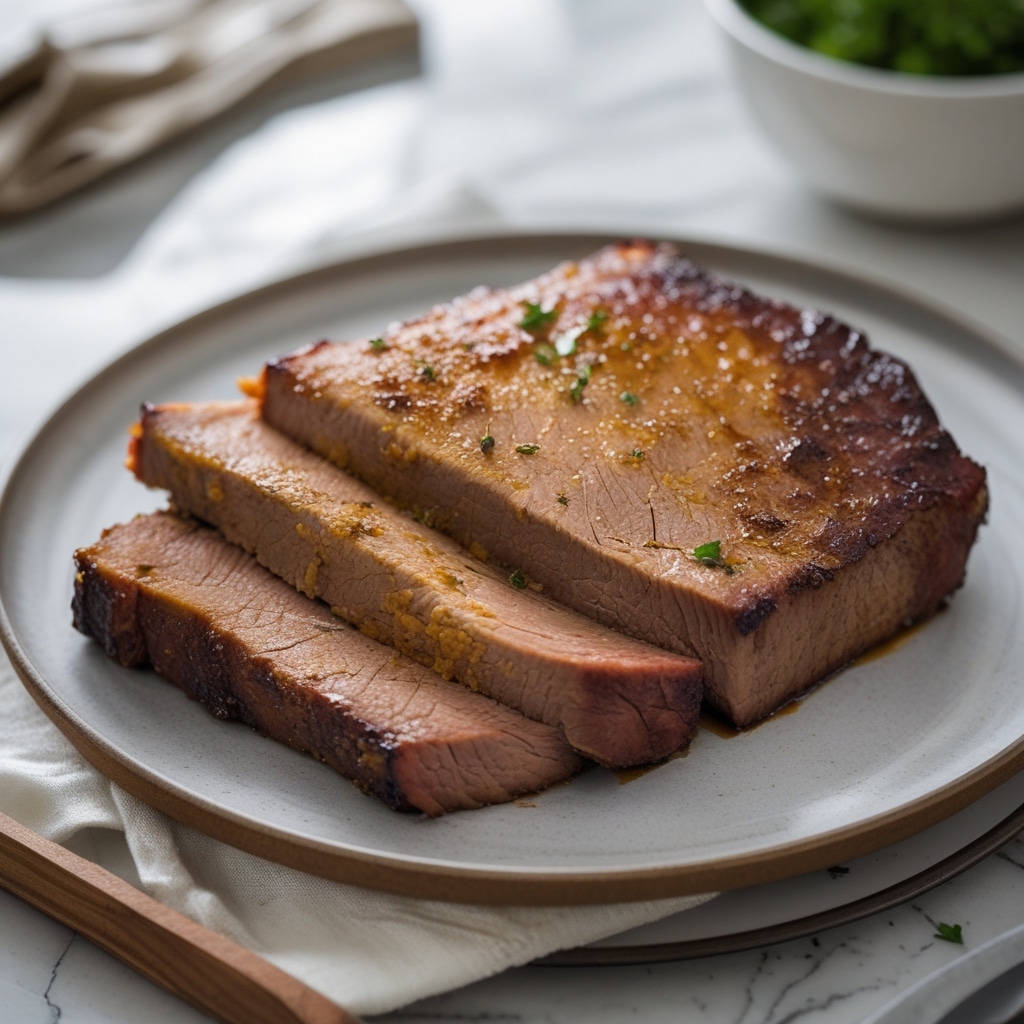
Introduction
There’s something magical about the aroma of slow-smoked meat wafting through the air. One bite of tender, juicy brisket straight from the smoker can transport you to backyard barbecues, summer evenings, and family gatherings. This guide will walk you through the entire process of preparing the Easy Smoked Beef Brisket Recipe, a foolproof approach to achieving perfectly smoked meat every time—even if you’re new to smoking. Packed with expert insights, data-backed cooking science, and proven flavor techniques, this article will give you the confidence to transform a tough cut of beef into a smoky masterpiece that impresses everyone at the table.
—
Step-by-Step Instructions
Smoking brisket is equal parts art and science. While many people overcomplicate it, the truth is that great results come from attention to detail and patience. Follow these steps to make your own version of the Easy Smoked Beef Brisket Recipe and achieve professional-level flavor and tenderness.
Step 1: Selecting the Brisket
Start with quality. Choose a brisket with good marbling—fat is key for tenderness and flavor. A USDA Choice or Prime grade is ideal. A whole packer brisket (which includes both the flat and point) generally weighs between 10 to 16 pounds. Remember, the better your starting point, the better your result.
Step 2: Trimming the Fat
Using a sharp boning knife, trim off any silver skin and reduce the fat cap to about ¼ inch thick. Don’t remove all the fat—this thin layer will protect the meat during the long smoking process and add moisture.
Step 3: Applying the Rub
In a small bowl, combine salt, black pepper, smoked paprika, garlic powder, and a pinch of cayenne for heat. For deeper flavor complexity, add a touch of brown sugar. Coat the entire brisket evenly. The rub not only seasons the meat but also creates a flavorful crust called the bark.
Step 4: Preparing the Smoker
Preheat your smoker to 225°F (107°C). Use hardwoods like oak, hickory, or a blend for nuanced smoke flavor. Maintain steady heat throughout the process. Place a drip pan with water or beer beneath the grates to keep humidity levels stable—this prevents the brisket from drying out.
Step 5: Smoking the Brisket
Place the brisket fat-side up on the smoker. Smoke until the internal temperature reaches around 165°F (approximately six hours for a 12-pound brisket). Once it hits this “stall” temperature—where the meat appears to stop cooking due to evaporative cooling—wrap it tightly in butcher paper or foil to retain moisture and power through the stall.
Continue smoking until the brisket reaches 200°F–203°F internally. Use a meat thermometer for accuracy rather than guessing based on time. At this point, the collagen has broken down, and the meat should feel soft when probed.
Step 6: Resting and Slicing
Once done, remove the brisket and let it rest (still wrapped) for at least one hour. Resting is critical—it allows juices to redistribute, ensuring every slice is flavorful and moist. When ready, slice against the grain and serve with your favorite barbecue sauce or jus.
—
Tips
Control Temperature Consistency
Data from BBQ pitmasters confirm that temperature fluctuations are the leading cause of inconsistent results. A steady range between 220–250°F produces the best texture. Invest in a reliable dual-probe thermometer to monitor both chamber and meat temperatures continuously.
Use the Right Wood
Wood choice contributes over 70% of the brisket’s flavor profile. Hickory delivers a strong, classic barbecue taste, while oak provides a steadier, milder smoke. For a fruitier tone, mix in apple or cherry wood chunks.
Don’t Rush the Stall
When the brisket “stalls” at about 165°F, resist the urge to increase temperature drastically. That plateau is scientifically caused by meat fibers releasing moisture, cooling the surface. Wrapping the brisket or patience during this stage leads to better bark formation and tenderness.
Season Simply
Many beginners overuse rubs. The ratio of salt and pepper should remain dominant—roughly 1:1—then layer secondary flavors sparingly. This ensures the beef remains the star of the show.
—
Alternative Methods
Even if you don’t own a smoker, you can still achieve remarkable results using other techniques.
Using a Conventional Oven
Mimic smoke flavor by applying liquid smoke or smoked salt in the rub. Place the brisket on a roasting rack over a pan filled with a little beef broth or beer. Cook at 225°F, uncovered, until it reaches 165°F, then wrap with foil and bake until 200°F internally. The outcome will still be tender, juicy, and flavorful.
Pellet Grills and Electric Smokers
Pellet smokers automate heat and smoke control, making them ideal for beginners. Simply set your temperature, choose a wood pellet variety, and let the machine regulate. Electric smokers, on the other hand, deliver consistent smoke density and require minimal attention—a great option for busy home cooks.
Sous Vide and Smoke Combo
For BBQ enthusiasts with sous vide equipment, try cooking the brisket sous vide at 155°F for 36 hours, then finishing it on the smoker for 2 hours. This method offers precise tenderness and authentic smoke flavor. Data-driven tests show this combination can reduce shrinkage by up to 15% compared to traditional smoking.
—
Conclusion
Mastering brisket at home doesn’t have to be intimidating when you follow a systematic, temperature-controlled process. The Easy Smoked Beef Brisket Recipe simplifies this culinary challenge into clear, manageable steps backed by real barbecue science. Whether you’re a pitmaster perfecting your technique or a weekend griller experimenting with low and slow cooking, the keys to success lie in patience, temperature consistency, and rest.
Perfectly smoked brisket isn’t merely about feeding your guests—it’s about creating an experience that celebrates craftsmanship, flavor, and dedication. So fire up your smoker, set aside the day, and let the slow curl of wood smoke turn a humble cut of beef into an unforgettable meal that embodies the soul of barbecue itself.