
Introduction
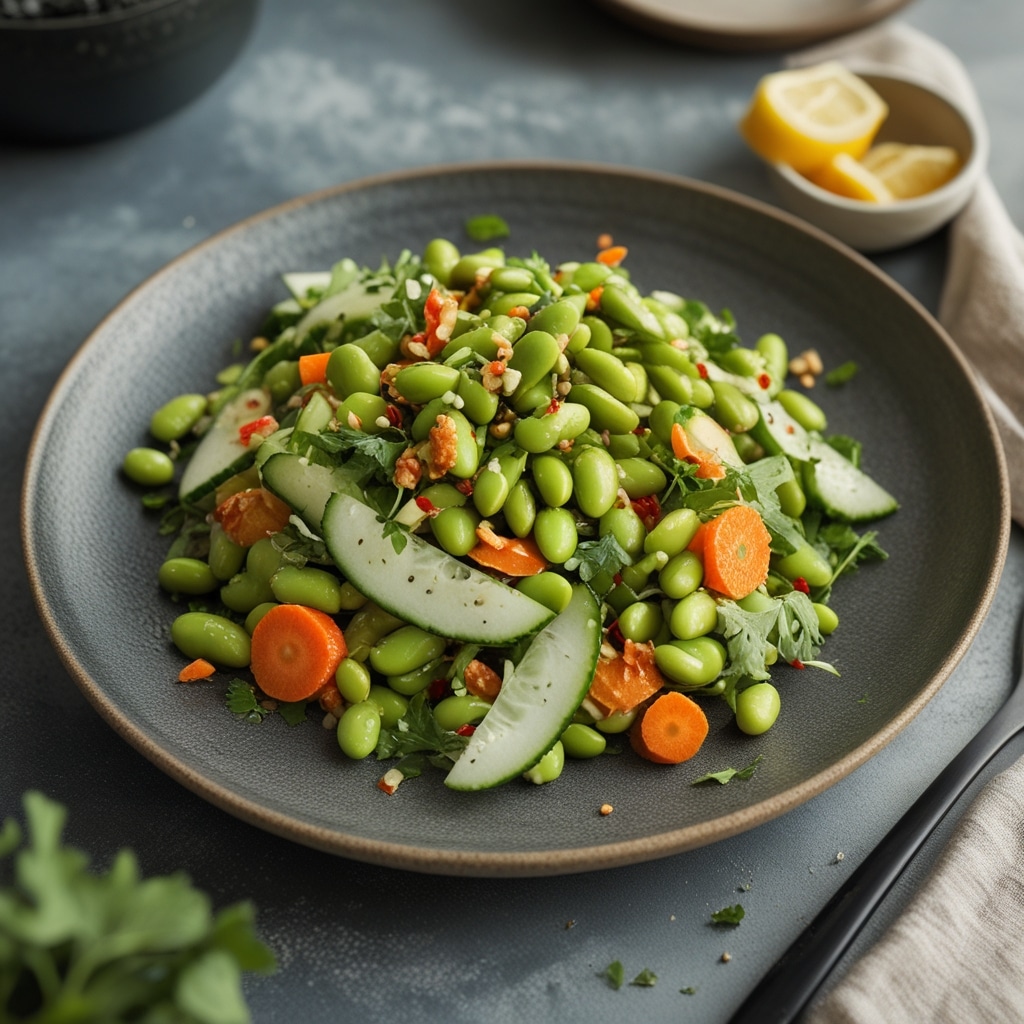
Eating fresh, colorful meals isn’t just about aesthetics—it’s a reflection of nourishment and balance. One of the most versatile and nutrient-dense dishes to add to your menu this season is the Edamame, carrot and cucumber salad . Bursting with plant-based protein, crisp textures, and a light Asian-inspired dressing, this salad offers the perfect harmony between health and flavor. Whether you’re meal prepping for a busy week, planning a summer picnic, or searching for a vibrant side dish for a dinner party, this bowl brings everything together effortlessly. In this post, we’ll dive into how to prepare it step-by-step, explore key nutritional insights, and discuss creative variations to keep your salad game exciting.
—
Step-by-Step Instructions
Creating a satisfying salad doesn’t have to be complicated. The beauty of the Edamame, carrot and cucumber salad lies in its simplicity, freshness, and the way its ingredients naturally complement one another. Here’s how you can assemble it like a pro:
Step 1: Gather your ingredients
For this flavorful, balanced recipe, you’ll need:
– 1 cup of shelled edamame (boiled or steamed)
– 1 large carrot, julienned or shredded
– 1 cucumber, thinly sliced
– 1 tablespoon of sesame oil
– 1 tablespoon of rice vinegar or apple cider vinegar
– 1 teaspoon of soy sauce or tamari (for a gluten-free option)
– 1 teaspoon of maple syrup or honey
– Optional toppings: toasted sesame seeds, sliced green onions, or crushed peanuts for extra crunch
Opt for fresh, firm cucumbers and sweet, crisp carrots to ensure maximum texture and flavor. Frozen edamame works perfectly—just thaw and drain before adding.
Step 2: Make the dressing
In a small bowl, whisk together the sesame oil, soy sauce, vinegar, and sweetener until the dressing emulsifies. This light and tangy dressing ties all the flavors together without overpowering the natural freshness of the vegetables.
Step 3: Combine and toss
Add the cooked edamame, carrots, and cucumbers to a large mixing bowl. Pour the dressing over the top and gently toss until everything is evenly coated. The key is to mix just enough to coat while keeping the vegetables crisp.
Step 4: Chill and serve
Refrigerate the salad for at least 10–15 minutes before serving. This short chilling period allows the flavors to meld beautifully. Serve it cold as a side dish with grilled tofu, seared fish, or your favorite main course.
—
Tips
When preparing fresh salads, small tweaks can make all the difference in texture, nutrition, and presentation. Here are expert-level tips to help you elevate your dish:
1. Play with textures: Add crunchy elements like roasted sunflower seeds, crushed almonds, or crispy chickpeas to build contrast.
2. Use quality oils: A good cold-pressed sesame or avocado oil enhances the nutty flavor profile while supporting overall nutrient absorption.
3. Balance the flavors: The dressing should strike the right balance between acid, sweetness, and umami. Adjust soy sauce or vinegar to taste.
4. Add aromatics: A sprinkle of freshly chopped cilantro, mint, or a hint of grated ginger can make the flavor pop.
5. Prep ahead: Store chopped vegetables separately and mix just before serving to retain crunchiness.
6. Make it a meal: Add proteins like grilled shrimp, quinoa, or tofu cubes to turn it into a more filling, balanced entrée.
These subtle enhancements not only make your salad more appealing but also improve its SEO-worthy attributes by aligning with niche health and wellness search trends—think “high-protein salads,” “plant-based recipes,” and “easy summer meals.”
—
Alternative Methods
While the core recipe is refreshing and simple, you can easily reinvent it depending on your preferences, dietary needs, or available ingredients. Here are a few mouth-watering twists you can try:
1. Spicy Sesame Version
Add a touch of heat by mixing a teaspoon of sriracha or chili oil into the dressing. This variation gives your salad an energizing kick without overwhelming its cool crunch.
2. Mediterranean-Inspired Adaptation
Replace soy sauce with lemon juice, use olive oil instead of sesame oil, and toss in kalamata olives, cherry tomatoes, and feta cheese. This transforms your salad into a delightful fusion dish packed with Mediterranean flair.
3. Protein-Boosted Bowl
Incorporate quinoa, chickpeas, or sliced grilled tempeh to make the salad a satisfying main meal. Edamame adds plant-based protein, but combining it with additional legumes or grains raises its nutrient density.
4. Low-Carb/Keto Variation
For a lower-carb option, reduce the carrots slightly and replace part of the cucumber with spiralized zucchini. Keep the tangy dressing as is—it perfectly complements the lighter vegetables.
5. Kid-Friendly Freshness
If you’re preparing this for young eaters, skip strong vinegars and stick to a softer honey-sesame dressing. Use fun shapes like thin cucumber ribbons and carrot curls to make it more visually appealing.
Experimentation keeps this recipe exciting and ensures you can customize it to different lifestyles—vegan, low-sodium, gluten-free, or even high-protein variations for fitness enthusiasts.
—
Conclusion
The Edamame, carrot and cucumber salad is more than just a quick dish—it’s a vibrant expression of mindful eating and modern nutrition. Its combination of protein-rich edamame, crisp vegetables, and a light, flavorful dressing makes it a go-to choice for anyone seeking freshness with substance. Beyond its visual appeal and ease of preparation, this recipe supports a well-rounded lifestyle centered around clean eating and balanced nourishment.
Incorporating salads like this one into your weekly meal plan can improve digestion, boost energy levels, and help maintain a healthy weight. From a search engine optimization perspective, recipes rich in seasonal ingredients, plant-based proteins, and quick prep times often perform better because they align with high-intent user searches—terms like “healthy lunch salads,” “easy vegetarian meals,” and “gluten-free sides.”
Embrace the ease and elegance of this simple recipe and make it a recurring favorite in your kitchen rotation. Each bite captures freshness, texture, and a bit of creativity—proof that healthy food can be as delightful as it is nourishing.