
Introduction
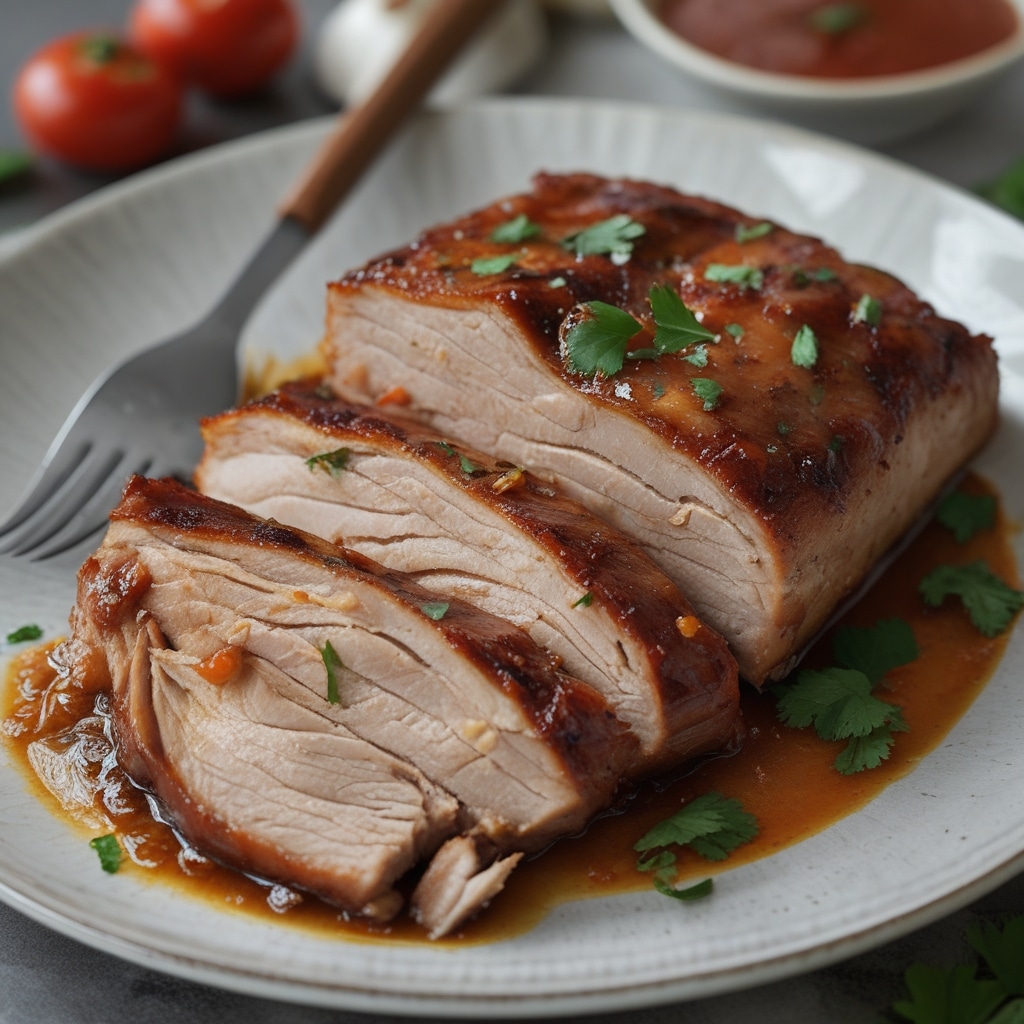
Few dishes capture the vibrant fusion of savory, sweet, and smoky flavors quite like Filipino BBQ Pork. Rooted in Filipino street food culture and cherished at backyard gatherings, this dish embodies the communal spirit of Filipino cooking. Often served on bamboo skewers and grilled over charcoal, the golden-brown glaze and tender meat make it not just visually irresistible but aromatic enough to draw crowds from afar. Beyond the irresistible taste, this BBQ represents a story of tradition, adaptation, and the Filipino knack for bringing joy to the table. In this post, we’ll dig into how to make this beloved recipe from scratch — marination secrets, grilling methods, and creative ways to personalize it for any occasion — with a focus on data-backed techniques that maximize flavor and ensure consistent results every time.
—
Step-by-Step Instructions
Creating authentic Filipino BBQ Pork requires more than just knowing the ingredients — it’s about understanding how each element contributes to the balance of sweetness, saltiness, tang, and smoke. Below is a comprehensive breakdown to achieve restaurant-quality BBQ at home.
Step 1: Gather Your Ingredients
– Pork cuts: Traditionally, lean pork shoulder or pork butt is ideal for skewering because of its balance between tenderness and fat.
– Soy sauce: Gives saltiness and deep umami flavor, serving as the backbone of the marinade.
– Brown sugar: Adds caramelized sweetness that forms the glossy BBQ glaze.
– Garlic and onion: Key aromatics that enhance the fragrance and depth.
– Banana ketchup: A Filipino pantry staple that delivers color and tang.
– Calamansi or lime juice: Balances the sweetness with a refreshing citrus note.
– Cooking oil: Helps the marinade cling and prevents sticking during grilling.
– Black pepper and optional chili flakes: Provide subtle heat and spice.
Pro tip: Slice the pork into thin, uniform pieces — about ¼ inch thick. This ensures even marination and quick cooking, a hallmark of traditional Filipino barbecue stalls.
Step 2: Prepare the Marinade
In a large bowl, combine soy sauce, minced garlic, grated onion, brown sugar, banana ketchup, calamansi juice, oil, and seasonings. Whisk until the sugar fully dissolves, and taste to adjust the balance. The ratio of soy sauce to sugar can be fine-tuned based on your preference for sweetness or saltiness. Allowing the mixture to sit for a few minutes helps the ingredients meld.
Step 3: Marinate the Pork
Add the sliced pork to your marinade and mix well, ensuring that each piece is fully coated. Transfer to a sealed container or resealable plastic bag and refrigerate for at least 6 hours or, ideally, overnight. Extensive marination allows the soy and sugar molecules to penetrate the fibers, tenderizing the meat and building complex flavors.
Step 4: Skewer the Pork
Soak bamboo skewers in water for at least 30 minutes before threading the pork. This prevents burning during grilling. Thread 4–5 pieces of pork per skewer, leaving a bit of space for even heat circulation.
Step 5: Grill Perfectly
Preheat a charcoal or gas grill to medium-high heat (around 375°F). Grease the grill grates lightly with oil. Place the skewers over indirect heat first, allowing them to cook through before finishing over direct flame for a caramelized glaze. Brush each skewer with leftover marinade (set aside some before adding the raw meat to ensure food safety), turning frequently to prevent charring. Grill for 10–15 minutes or until the internal temperature reaches 145°F.
Step 6: Rest and Serve
Let the skewers rest for a few minutes before serving to retain juiciness. Serve with garlic rice, achara (pickled green papaya), or even a dipping sauce of soy sauce, vinegar, and chopped chili.
—
Tips
1. Embrace Local Ingredients
One key to success is using authentic Filipino condiments like banana ketchup and calamansi. These make an authentic difference compared to standard ketchup or lemon juice alternatives. If banana ketchup isn’t accessible, blend ripe bananas, tomato paste, vinegar, and sugar for a homemade version.
2. Optimize Marinade Time
Food scientists have found that acidic marinades begin tenderizing meat within the first few hours, but extended marination enhances the depth of flavor. Overnight marination creates a balance between tender meat and powerful aroma — the sweet spot for juicy barbecue perfection.
3. Control the Heat Zones
Professional grillers recommend a two-zone setup — one side for direct heat to form the glaze, and another for indirect heat to finish cooking without burning. This ensures the glaze caramelizes beautifully without compromising tenderness.
4. Make It Healthier
For a lighter version, use lean pork tenderloin, reduce sugar, and substitute banana ketchup with a tomato-based blend. Alternatively, air fry at 375°F for 10–12 minutes for a crisp exterior without excess oil.
—
Alternative Methods
Oven-Grilled BBQ
When outdoor grilling isn’t an option, replicate the smoky flavor indoors. Preheat the oven to 425°F and line a baking sheet with foil. Arrange the skewers and bake for 20–25 minutes, brushing with marinade halfway. Finish with 2–3 minutes of broiling to develop a golden crust.
Air Fryer Technique
For a fast, mess-free option, coat skewers lightly with oil and cook in an air fryer basket at 380°F for 8–10 minutes, turning once. This method uses 70% less oil while still achieving a crisp exterior and juicy interior.
Pressure Cooker or Instant Pot
For a tender “pulled” version, cook marinated pork chunks in a pressure cooker for 20 minutes on high pressure. Reduce the marinade afterward to a glaze and toss it with the shredded pork for a unique spin that retains traditional Filipino flavors.
Each alternative retains that distinct balance of smoky, sweet, and savory — characteristics that make this dish universally loved.
—
Conclusion
There’s a reason Filipino BBQ Pork holds a special place in Filipino celebrations: it’s more than just grilled meat — it’s an experience that combines flavor, culture, and connection. With its blend of simple everyday ingredients, proper marination techniques, and mindful grilling, anyone can recreate the authentic street food flavor at home. Whether you’re hosting a summer barbecue or simply craving a taste of the Philippines, this recipe bridges tradition and modern technique in every juicy, caramelized bite.
In mastering this dish, you’re not just cooking — you’re preserving a cherished culinary heritage and sharing a story that’s best told over sizzling skewers and good company.