
Introduction
When it comes to summer celebrations, few desserts capture the spirit of patriotism quite like a beautifully decorated Fourth of July cake. Bursting with red, white, and blue layers, this festive treat not only dazzles guests but also brings a sense of nostalgia to every bite. In this guide, you’ll learn how to create a stunning holiday centerpiece that’s both visually impressive and surprisingly easy to make. From layering techniques to natural food coloring tips, we’ll take you through a step-by-step process designed for beginners and expert bakers alike. Expect a blend of creativity, flavor, and plenty of sparkle—just in time for your Independence Day party!
—
Step-by-Step Instructions
Creating your own Fourth of July cake doesn’t have to be complicated. With the right preparation, you can achieve bakery-quality results right at home. Follow these detailed steps for a foolproof process:
Step 1: Gather Your Ingredients
Start by assembling everything you need. You’ll require flour, sugar, baking powder, salt, unsalted butter, eggs, milk, vanilla extract, and food coloring in red and blue. For frosting, a rich buttercream or cream cheese frosting works beautifully. Keep all your ingredients at room temperature for even mixing.
Step 2: Prepare and Mix the Base
Preheat your oven to 350°F (175°C). Whisk together the dry ingredients in one bowl and the wet ingredients in another. Gradually combine them, mixing until the batter is smooth and lump-free. Divide the batter evenly into three portions. Leave one plain (for white), color one red, and the last one blue.
Step 3: Layer It Up
Grease three 8-inch round cake pans and line them with parchment paper. Pour each colored batter into a separate pan and bake for 25–30 minutes or until a toothpick inserted in the center comes out clean. Allow the cakes to cool completely before assembling.
Step 4: Assemble the Layers
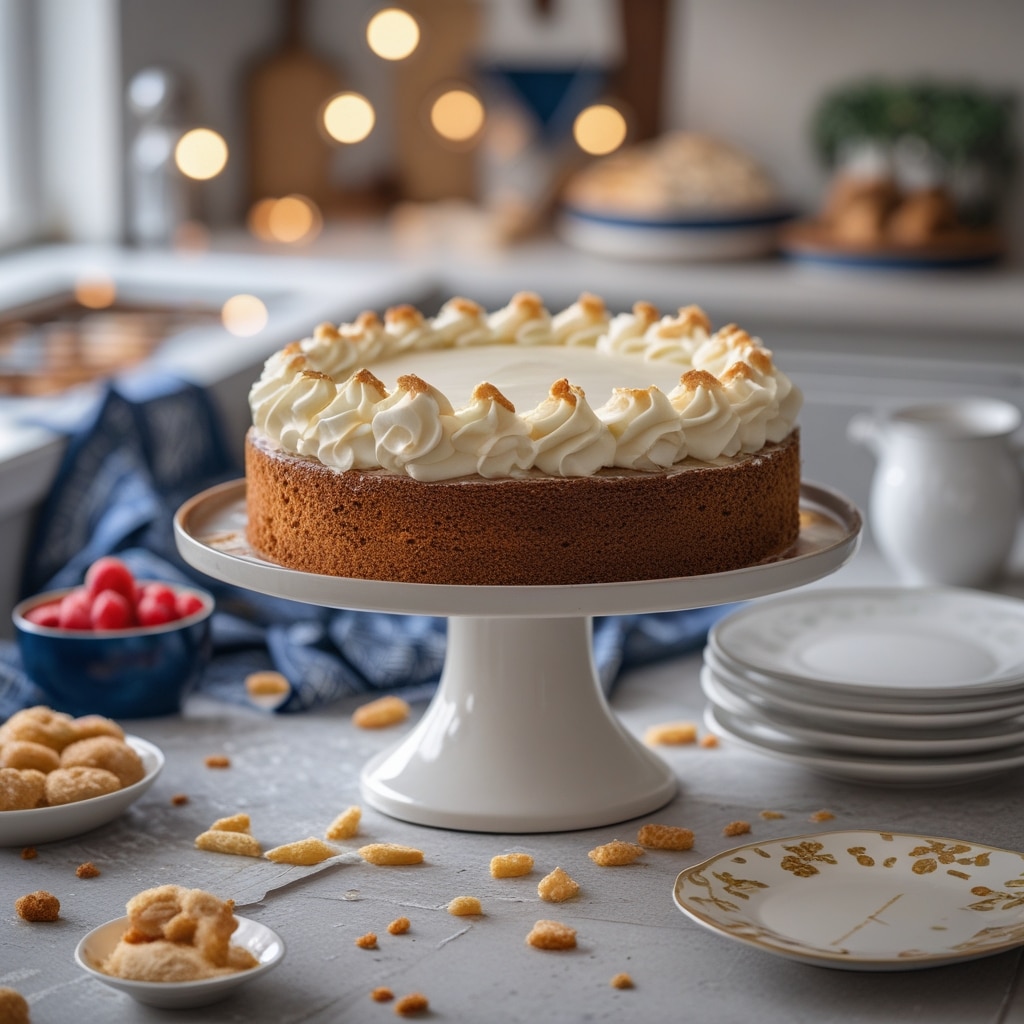
Place the blue layer on your cake stand first, followed by a thin layer of frosting. Add the white layer next, more frosting, and finally, the red layer on top. Spread frosting over the top and sides until smooth. This creates a striking flag-inspired presentation once the cake is sliced.
Step 5: Get Creative with Decoration
Decorate with fresh berries—strawberries, blueberries, and raspberries work best for a vibrant finish. Add festive sprinkles or edible glitter for extra flair. You can even pipe tiny star-shaped frosting patterns to emphasize the patriotic theme.
Step 6: Chill and Serve
Refrigerate the cake for at least an hour before serving to help the frosting set and the colors firm up. Slice carefully for that stunning tricolor reveal.
—
Tips
Perfecting the Texture
To achieve a soft, moist crumb, don’t overmix the batter. Gentle folding ensures air remains trapped, resulting in a lighter cake. If possible, use cake flour instead of all-purpose flour for a fluffier texture.
Color and Consistency
Avoid overpowering your batter with too much food coloring; gel-based colors are best for achieving bold tones without altering consistency. If you prefer a natural approach, try beet juice for red and butterfly pea flower powder for blue shades.
Frosting Perfection
Beat your frosting for several minutes to ensure it’s fluffy and easy to spread. For a smoother finish, run a spatula under warm water before gliding it across the surface. You can also tint a portion of your frosting blue or red to create borders or patterns.
Flavor Variations
A hint of almond extract can give your cake a unique twist, while lemon zest brightens the flavor. Pair your cake slices with fresh whipped cream or a scoop of vanilla ice cream for an irresistible summer dessert experience.
—
Alternative Methods
Shortcut Using Box Mixes
If you’re in a hurry, box cake mixes can be an excellent starting point. Choose a vanilla or white mix, then color each portion according to your theme. Follow baking times indicated on the package, and customize the flavor with extracts or additional ingredients like sour cream for moisture.
Layerless Option
If multi-layer cakes feel intimidating, try a marble effect instead. Gently swirl red and blue batter through white batter with a skewer before baking. You’ll get a gorgeous patriotic pattern without the need for stacking layers.
Healthier Versions
For a lighter dessert, consider using Greek yogurt instead of butter or oil. You can also substitute part of the sugar with honey or agave syrup. Instead of buttercream, try whipped coconut cream for a dairy-free topping.
Gluten-Free and Vegan Adaptations
Use a gluten-free baking blend and dairy-free butter substitute to make your cake accessible for more guests. For eggs, flaxseed or chia “eggs” (1 tbsp flax or chia meal mixed with 3 tbsp water per egg) serve as great plant-based alternatives.
Presentation Alternatives
Transform the recipe into cupcakes or cake jars for easy portion control and family-friendly serving. Top each with mini flags or sparkler candles to add a festive touch.
—
Conclusion
A homemade Fourth of July cake is more than just dessert—it’s a creative statement that embodies celebration and togetherness. By following these detailed steps and tips, you’ll have a stunning showpiece that steals the spotlight at your Independence Day gathering. Whether you opt for bold, stacked layers or a simpler marbled approach, this dessert will delight your guests visually and tastefully.
For bloggers and food photographers, this patriotic cake also presents the perfect opportunity for share-worthy social media content. Capture the intricate layers and vibrant colors in natural light, and don’t forget to include your personal story or memory tied to the holiday—it’s those human details that make a blog post resonate.
Celebrate your freedom, enjoy your creation, and let your culinary creativity shine as bright as the fireworks this Fourth of July. Your guests will leave impressed, your blog readers inspired, and your dessert table unforgettable.