
Introduction
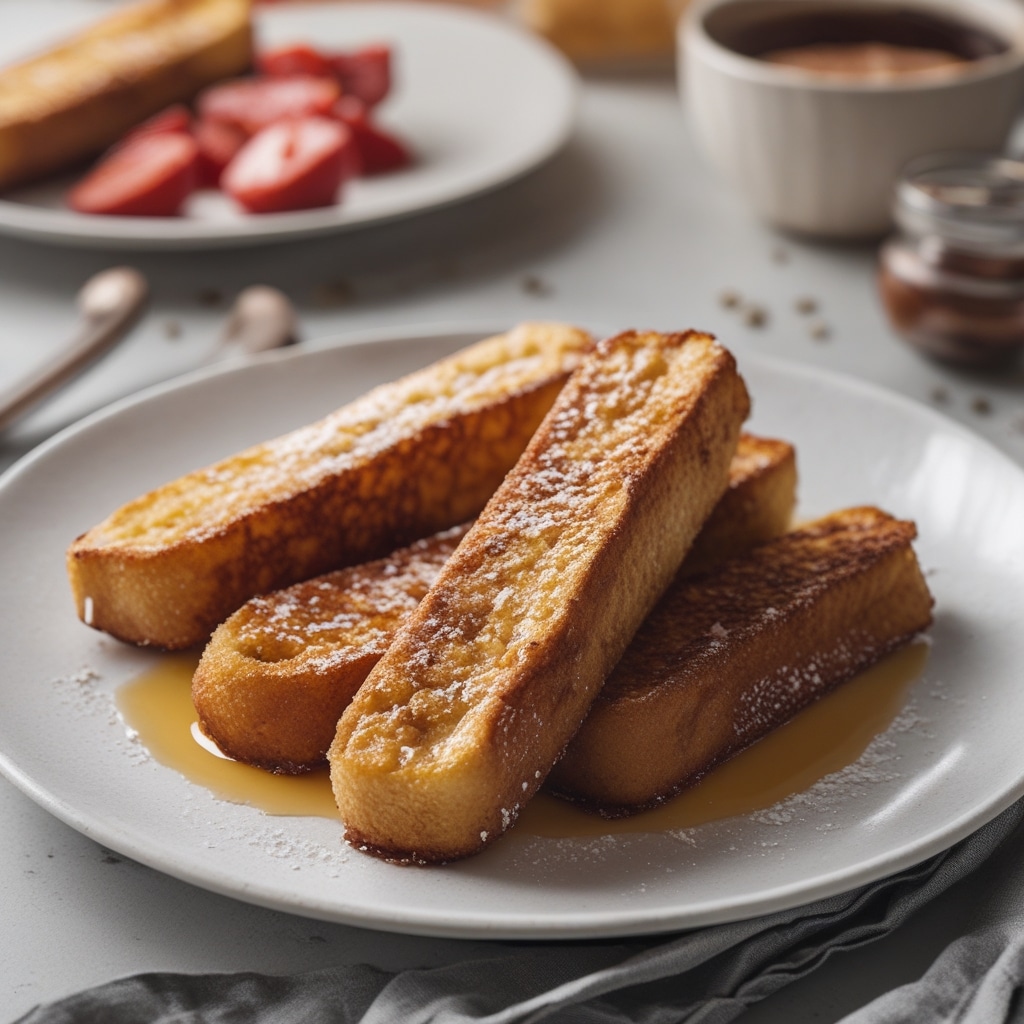
There’s something wonderfully nostalgic about waking up to the sweet aroma of cinnamon and vanilla wafting through your kitchen. Few breakfast dishes capture that comforting feeling quite like French Toast Sticks. They’re crispy on the outside, soft and custardy inside, and perfect for dipping into maple syrup or your favorite fruit compote. This easy-to-follow recipe transforms a brunch classic into a fun, handheld treat ideal for busy mornings, weekend gatherings, or cozy family breakfasts. In this post, we’ll explore how to make them step-by-step, discover pro tips to perfect the texture, and even learn creative alternatives to suit different dietary needs.
—
Step-by-Step Instructions
Preparing French Toast Sticks at home doesn’t require professional culinary skills—just the right ingredients, techniques, and timing. Below is a detailed breakdown of each phase, ensuring your breakfast turns out golden and absolutely irresistible.
Step 1: Gather Your Ingredients
Before you begin, make sure you have everything ready to create the perfect balance of flavor and texture:
– 4 slices of thick, sturdy bread (Brioche or Texas Toast works best)
– 2 large eggs
– 1/3 cup whole milk (or plant-based milk alternative)
– 1 tablespoon granulated sugar
– 1 teaspoon vanilla extract
– 1/2 teaspoon ground cinnamon
– Butter for cooking
– Maple syrup, powdered sugar, or berries for serving
Step 2: Prepare the Custard Mixture
In a medium mixing bowl, whisk together the eggs, milk, sugar, vanilla, and cinnamon until smooth. The secret to a delicious custard is balance—too thin and your toast will be soggy; too thick and it won’t soak evenly. Aim for a silky texture that coats the back of a spoon.
Step 3: Cut and Dip the Bread
Slice each bread piece into 3–4 sticks, depending on thickness. Dip each stick into the egg mixture for about five seconds per side. Avoid oversoaking or your bread will fall apart during cooking.
Step 4: Cook to Golden Perfection
Heat a skillet or griddle over medium heat and melt a small pat of butter. Place your dipped breadsticks onto the pan, allowing each side to cook for about 2–3 minutes, or until golden brown and crisp. Adjust the heat if your butter starts browning too quickly.
Step 5: Rest, Serve, and Enjoy
Once done, lay your sticks on a paper towel-lined plate to absorb any excess butter. Serve them warm with maple syrup, a dusting of powdered sugar, or a dollop of whipped cream. They’re irresistible whether eaten plain or dressed up with toppings!
—
Tips
Perfecting French toast is as much about technique as it is about ingredients. Here are proven ways to elevate your next batch:
1. Choose the Right Bread
Thicker slices hold up better to soaking and cooking. Brioche and challah are ideal because of their tender crumb and natural richness. If you only have sandwich bread, slightly stale slices work best—they absorb the custard without becoming mushy.
2. Master the Soak Timing
A light dip ensures a custardy interior without leaving the center raw. Rotate sticks evenly and let any excess custard drip off before transferring to your skillet.
3. Maintain Even Heat
Medium heat is key. High heat will burn the exterior before cooking the inside, while low heat can make them oily and limp. A consistent medium temperature guarantees crisp edges and a fluffy core.
4. Get Creative with Flavors
Infuse your mixture with a pinch of nutmeg or orange zest for added aroma. Swap vanilla extract with almond extract for a subtle twist. You can even coat the cooked sticks in cinnamon sugar for a dessert-like finish.
5. Batch Cooking for Busy Mornings
To save time, make a large batch during the weekend, freeze them on a tray, and then transfer to a bag once solid. Simply reheat in a toaster or on a pan for a quick, satisfying breakfast any day of the week.
—
Alternative Methods
Not every kitchen setup is the same, and one of the beauties of this recipe is its flexibility. Whether you’re avoiding dairy, want a lower-fat version, or simply love experimenting, these alternative approaches have you covered.
Air Fryer Version
An air fryer can replicate that deep-fried crispness without all the extra oil. Preheat to 375°F (190°C), lightly spray your basket, and cook for 6–8 minutes, turning halfway through. The result is evenly crisp, golden sticks that stay soft on the inside with minimal cleanup.
Oven-Baked Variety
For a larger batch or a hands-free method, arrange your dipped breadsticks on a parchment-lined baking sheet. Bake at 400°F (200°C) for 10–12 minutes, flipping once halfway through. Baking delivers consistent texture and is perfect for feeding a crowd.
Dairy-Free or Vegan Adaptation
Replace eggs with a mixture of almond milk and cornstarch (about one tablespoon cornstarch per cup of milk) and use coconut oil or vegan butter for frying. Choose soft, yeast-free vegan bread for the best consistency.
Gluten-Free Option
Opt for your favorite gluten-free bread and ensure all ingredients are certified gluten-free. Watch your soak time—gluten-free bread can absorb liquid faster, requiring less time in the custard mixture.
Protein-Packed Upgrade
For a more nutritional punch, add a scoop of unflavored or vanilla protein powder to the custard base. You’ll get a breakfast that’s both indulgent and energizing, perfect for post-workout meals or busy mornings.
—
Conclusion
There’s nothing quite like the joy of making homemade breakfast that feels both special and effortless. With these simple techniques and creative twists, you can master the art of preparing French Toast Sticks that are perfectly golden, crisp, and packed with flavor. Whether you stick to the classic stovetop version or explore modern variations like air frying or baking, this timeless breakfast item remains a family favorite for a reason.
By understanding key cooking nuances—like heat control, soak timing, and ingredient choice—you’ll create a dish that rivals any café brunch. So next weekend, grab a few slices of bread, whisk up that custard, and treat yourself to a comforting, delicious breakfast that brings pure joy to your table.
Total word count: ~930 words