
Introduction
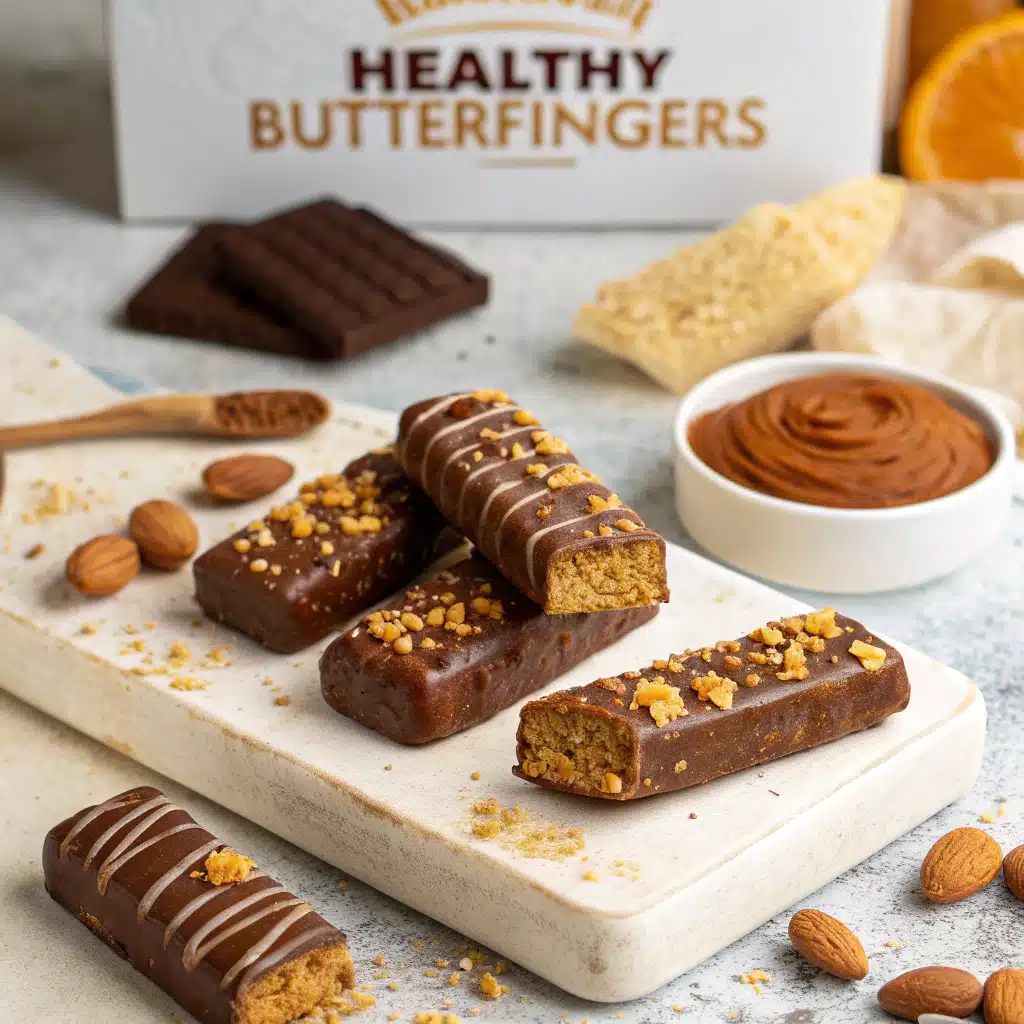
In today’s world, finding healthier versions of our favorite treats is both a creative challenge and a rewarding pursuit. One particularly delicious example is Healthy Butterfingers — a nutritious twist on the classic candy bar that captures the same chocolaty, crunchy, and peanut-buttery goodness we love. The best part? You can make them easily at home with wholesome ingredients that support your wellness goals while satisfying your sweet tooth.
Whether you’re looking for a post-workout snack, a back-to-school treat, or a fun weekend project, this recipe turns a beloved indulgence into something you can feel good about eating. In this blog post, we’ll explore every detail of making these guilt-free confections, from simple preparation steps to smart substitutions for special diets like gluten-free, vegan, or keto.
Step-by-Step Instructions
Before diving into the actual recipe, gather all your ingredients to ensure smoother preparation. Making Healthy Butterfingers at home requires minimal cooking skills and about 30 minutes of active time. You’ll need the following ingredients: natural peanut butter, pure maple syrup or honey, a touch of coconut sugar, a crunchy cereal (like cornflakes or brown rice crisps), coconut oil, and high-quality dark chocolate for coating.
Step 1: Create the Peanut Base
In a medium saucepan, melt together your peanut butter, coconut sugar, and maple syrup on low heat. Stir continuously until the mixture thickens slightly, forming a smooth and glossy texture. This forms the heart of your candy bar — sweet, nutty, and rich in flavor.
Step 2: Add the Crunch
Once your peanut mixture is ready, remove it from heat and gently fold in the cereal. Ensure every piece is coated evenly, creating a beautiful contrast between chewy and crunchy textures. The blend of crispy cereal adds that signature flake we love in traditional candy bars without the processed fillers.
Step 3: Shape and Chill
Line a small baking dish with parchment paper. Transfer the mixture into the dish and press firmly to compact the layers. Pop it into the freezer for about 15 minutes to help it firm up. This step is essential for achieving that familiar “snap” when you bite into it later.
Step 4: Coat in Chocolate
Melt the dark chocolate with a small spoonful of coconut oil for a silky, glossy finish. Dip each chilled bar or drizzle chocolate on top for a more rustic look. Let the coating set completely by refrigerating for 10–15 minutes. The result? A perfect balance of textures and flavors that taste indulgent while keeping ingredients clean and simple.
Tips
Crafting homemade candy can be both fun and flexible. Here are a few expert tips to perfect your bars:
– Use high-quality nut butter: Opt for natural versions without hydrogenated oils or added sugars. Almond or cashew butter also works well.
– Sweeten smartly: Maple syrup adds depth, while honey gives a floral note — both contribute natural sweetness. For a low-sugar version, try monk fruit syrup or liquid stevia.
– Control texture: Crushing your cereal slightly yields smaller flakes, while keeping them whole creates more crunch. Adjust based on your texture preference.
– Avoid over-melting chocolate: Gentle heat ensures a smooth coating without burning or graininess.
– Storage matters: Store in an airtight container in the refrigerator for up to two weeks or freeze for longer shelf life.
Most importantly, enjoy the process. These treats aren’t just delicious; they’re a fun way to reconnect with nostalgic flavors using mindful ingredients.
Alternative Methods
If you’re adapting this recipe for specific diets or simply experimenting with different textures, the following variations might suit your needs perfectly.
Vegan Option
Keep it dairy-free by choosing dark chocolate labeled vegan and using maple syrup instead of honey. You’ll retain the same delightful taste and structure without any animal-derived components.
Keto-Friendly Twist
For those following a low-carb lifestyle, swap coconut sugar with erythritol and maple syrup with monk fruit syrup. Use unsweetened keto cereal and sugar-free chocolate chips to maintain that satisfying crunch while minimizing carbs.
Gluten-Free Choice
If gluten sensitivity is a concern, pick certified gluten-free cereals and double-check your chocolate label. Most dark chocolates are naturally gluten-free, but it’s always best to confirm.
Nut-Free Variation
To make this recipe school-safe or allergy-friendly, replace peanut butter with sunflower butter or tahini. The flavor will differ slightly but still provide that satisfying richness and texture contrast.
Flavor Enhancers
Get creative with add-ins like vanilla extract, a sprinkle of sea salt, or a dusting of crushed peanuts on top. You can even incorporate a layer of almond butter or drizzle a bit of caramel for a decadent twist on the traditional taste.
Experimenting with these methods not only keeps your treats exciting but also maximizes inclusivity so everyone can savor this wholesome sweet.
Conclusion
Creating homemade treats that align with your health goals doesn’t mean compromising flavor or fun. The process of making Healthy Butterfingers proves that mindful eating can still be indulgent and full of joy. Each chewy, crispy, and chocolaty bite brings satisfaction without the artificial additives often found in store-bought candies.
By using real ingredients and flexible swaps, you can make this dessert your own — whether you serve it to family, bring it to a party, or keep it as your personal secret treat. Moreover, the simplicity of the preparation makes it easy to incorporate into any busy lifestyle.
So the next time you’re craving something sweet yet balanced, remember that the healthier version of your favorite candy is entirely within reach. Give this recipe a try, share the experience with others, and celebrate the joy of enjoying better-for-you desserts that taste every bit as good as the originals.
—
Word count: ~925