
Cottage cheese pancakes are often a revelation for those accustomed to standard buttermilk stacks. Unlike traditional pancakes that can leave you feeling sluggish by mid-morning, these are packed with high-quality protein and healthy fats. The result is a breakfast that keeps you satiated while offering a unique, almost custard-like texture that melts in your mouth. Many people worry that the cottage cheese will result in a savory or overly cheesy flavor, but when cooked, the curds soften and blend into the batter, leaving behind only a subtle richness and incredible moisture.
This recipe focuses on achieving the perfect structural integrity. One of the biggest challenges with cottage cheese in batter is managing moisture. If the batter is too wet, the pancakes won’t flip; if it is too dry, they lose that signature tenderness. By balancing the moisture of the cheese with the right ratio of flour and eggs, you get a pancake that is sturdy enough to flip but soft enough to feel indulgent. Whether you prefer them smooth or with a bit of texture, this method provides the flexibility to suit your palate.
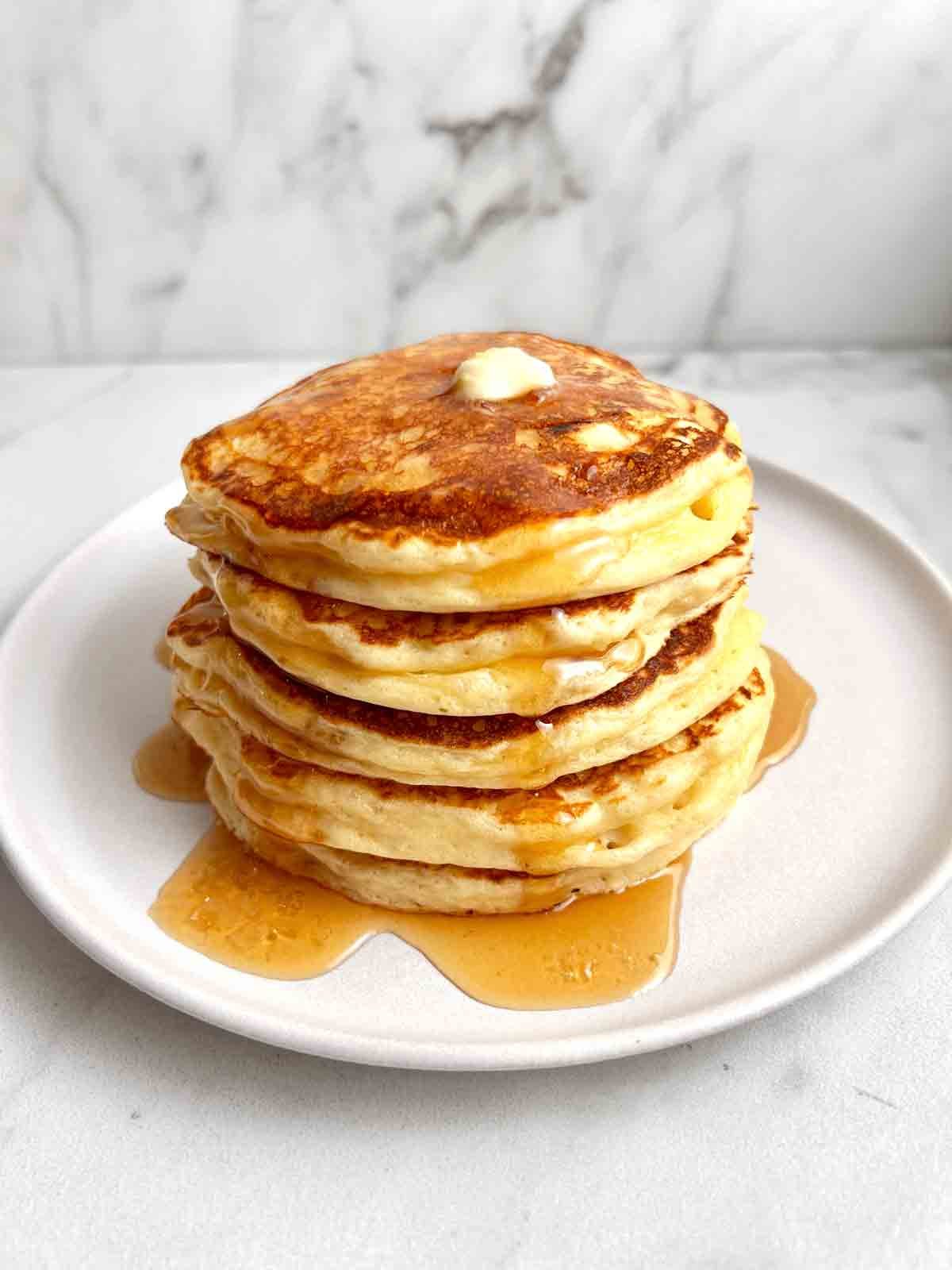
The aroma of these pancakes cooking is distinct—sweet, slightly nutty from the browning butter, and warm with hints of vanilla. Because they contain less flour than standard recipes, the natural sugars in the dairy caramelize beautifully on the surface of the pan. This creates a thin, crisp shell that contrasts perfectly with the soft interior. It is a sophisticated take on a childhood favorite that works just as well for a quick Tuesday morning as it does for a leisurely Sunday brunch.
Why You’ll Love This Recipe
- Protein-Dense: Each serving provides a significant protein boost, helping you meet your macros early in the day.
- Superior Texture: The cottage cheese creates a moist, tender crumb that traditional recipes simply cannot replicate.
- Pantry Staples: You likely already have the eggs, flour, and baking powder in your kitchen; just grab a tub of cottage cheese.
- Kid-Friendly: Even picky eaters who dislike the texture of plain cottage cheese will love these, as the curds mostly disappear during the cooking process.
- Versatile: This base recipe works perfectly with sweet toppings like fruit or savory additions like chives and smoked salmon.
Ingredients You’ll Need & Smart Substitutions
Cottage Cheese: For the best results, use small curd, full-fat (4%) cottage cheese. The higher fat content prevents the pancakes from becoming rubbery. If you use low-fat, be aware that the batter may be slightly more watery. If your cottage cheese is exceptionally liquid-heavy, consider straining it through a fine-mesh sieve for 5 minutes before measuring.
Eggs: These act as the primary binder and provide lift. Do not skip them or try to use a flax egg unless you are experienced with vegan binding, as the protein structure of the egg is crucial for holding the cheese together.
All-Purpose Flour: This provides the necessary structure. For a gluten-free version, a 1:1 gluten-free baking blend works well. You can also substitute oat flour for a heartier, nuttier flavor and added fiber. Avoid using only almond flour, as it lacks the binding power needed for this specific moisture-heavy batter.
Baking Powder: This is your leavening agent. Ensure it is fresh so your pancakes get that essential rise. Without it, the pancakes will be dense and more like crepes.
Vanilla Extract and Cinnamon: These aromatics mask any lingering “cheesy” notes and provide a classic breakfast flavor profile. You can swap vanilla for almond extract for a cherry-like aroma, or add lemon zest for a bright, citrusy finish.
Essential Kitchen Equipment
- Large Mixing Bowl: To whisk your ingredients together.
- Non-Stick Skillet or Griddle: Essential for easy flipping without the pancakes sticking.
- Silicone Spatula: A wide, thin spatula is best for getting under the delicate pancakes.
- Whisk: To ensure the eggs are fully incorporated.
- Blender (Optional): Only if you prefer a completely smooth batter without any visible curds.
How to Make Cottage Cheese Pancakes (Step-by-Step)
Step 1: Prepare the Batter
In a large mixing bowl, whisk together the cottage cheese, eggs, and vanilla extract. If you prefer a smooth pancake, pour these ingredients into a blender and pulse for 10 seconds until smooth. Otherwise, leave the curds intact for a more traditional texture. Once the wet ingredients are combined, sift in the flour, baking powder, salt, and cinnamon. Stir gently with a spatula until just combined. Over-mixing can lead to tough pancakes, so stop as soon as no dry flour streaks remain.
Step 2: Preheat the Pan
Place your non-stick skillet or griddle over medium-low heat. This is a critical step; cottage cheese pancakes have a higher sugar and protein content, meaning they will burn quickly if the heat is too high. Add a small amount of butter or neutral oil (like avocado oil) to the pan. You know the pan is ready when a drop of water sizzles and evaporates immediately.
Step 3: Portion the Pancakes
Using a 1/4 cup measuring cup, scoop the batter onto the hot skillet. Do not crowd the pan; leave at least two inches between each pancake to allow for easy flipping. Use the back of the spoon to gently flatten the mounds into circles about 1/2 inch thick.
Step 4: The First Flip
Cook for 3 to 4 minutes on the first side. Look for small bubbles forming around the edges and a matte appearance on the surface. Because these are denser than regular pancakes, they take longer to set. Carefully slide your spatula underneath; if it slides in easily and the bottom is golden brown, it is time to flip. Flip with a quick, confident motion.
Step 5: Finish and Serve
Cook for an additional 2 to 3 minutes on the second side until golden and the center feels firm to a light touch. Transfer to a warm plate and repeat with the remaining batter. Serve immediately while the centers are warm and creamy.
Pro Chef Tips for Perfect Results
- Temper Your Ingredients: Using room-temperature eggs and cottage cheese helps the batter emulsify better and ensures even cooking.
- Low and Slow is Key: If the outside is browning too fast while the inside remains runny, drop your heat. These pancakes need time for the cheese to set.
- Wipe the Pan: Between batches, wipe the skillet with a paper towel and add fresh butter. This prevents burnt milk solids from sticking to your next set of pancakes.
- Check for Consistency: If your batter looks too thin (common with some brands of cottage cheese), add one tablespoon of flour at a time until it reaches a thick, scoopable consistency.
Common Mistakes to Avoid
Flipping Too Early: This is the most common error. Because the batter is wet, the pancake needs significant time to form a structural crust. If you flip too soon, the pancake will fall apart. Wait for the edges to look dry.
High Heat: High heat will scorch the dairy proteins and sugars before the middle is cooked through. Stick to medium-low heat throughout the process.
Using Whipped Cottage Cheese: Whipped cottage cheese has a different air-to-moisture ratio. While it can work, it often results in a flatter pancake. Stick to standard small curd for the best lift.
Delicious Variations & Customizations
Lemon Poppy Seed: Add 1 tablespoon of lemon zest and 1 teaspoon of poppy seeds to the batter for a bright, refreshing twist.
Blueberry Burst: Drop fresh blueberries onto the pancakes once they are in the pan rather than mixing them into the bowl. This prevents the berries from bleeding and turning the whole batter purple.
Savory Herb: Omit the sugar, vanilla, and cinnamon. Add chopped chives, black pepper, and a pinch of garlic powder. Top with a dollop of sour cream or a poached egg.
Chocolate Chip: Fold in mini chocolate chips just before cooking. The heat of the pancake will melt the chips into the creamy cottage cheese center.
What to Serve With Cottage Cheese Pancakes
To lean into the high-protein theme, serve these with a side of turkey bacon or smoked salmon. For a classic sweet breakfast, fresh berries (raspberries and blackberries work particularly well) and a drizzle of pure maple syrup are unbeatable. If you want extra creaminess, a dollop of Greek yogurt or a smear of almond butter adds even more protein and healthy fats. For a beverage pairing, a light roast coffee or a bright Earl Grey tea cuts through the richness of the dairy perfectly.
Storage, Freezing & Reheating Guide
Refrigeration: Store leftover pancakes in an airtight container in the refrigerator for up to 3 days. Place a piece of parchment paper between layers to prevent sticking.
Freezing: These freeze exceptionally well. Lay them in a single layer on a baking sheet to freeze for one hour, then transfer to a freezer-safe zip-top bag. They will keep for up to 2 months.
Reheating: For the best texture, use a toaster or toaster oven on a medium setting. This crisps the exterior while warming the center. You can use a microwave (30-45 seconds), but the pancakes will be much softer and lose their crisp edges.
Frequently Asked Questions
Can I use fat-free cottage cheese?
You can, but the pancakes will be less flavorful and may have a slightly rubbery texture. 2% or 4% fat cottage cheese provides the necessary richness for the best mouthfeel.
Do these pancakes taste like cheese?
Surprisingly, no. When cooked with vanilla, cinnamon, and a sweetener, the cottage cheese takes on a flavor profile similar to cheesecake or a mild custard. Most people cannot identify the “cheese” ingredient if they aren’t told beforehand.
Can I make the batter ahead of time?
It is best to make the batter fresh. The baking powder begins reacting as soon as it hits the wet ingredients. If the batter sits overnight, the pancakes will likely be flat. However, you can mix the dry ingredients and wet ingredients separately and combine them just before cooking.
Are these gluten-free?
As written, they contain all-purpose flour. However, you can easily make them gluten-free by substituting the flour with a 1:1 gluten-free baking blend or certified gluten-free oat flour.
Final Thoughts
Cottage cheese pancakes are a versatile, nutrient-dense alternative to traditional recipes that don’t sacrifice flavor or satisfaction. By following the low-and-slow cooking method and ensuring your batter has the right consistency, you can enjoy a gourmet-style breakfast that fits into a balanced lifestyle. Give this recipe a try next time you want a meal that feels like a treat but performs like fuel. If you enjoyed these, please leave a rating and let us know your favorite toppings in the comments!
Fluffy High-Protein Cottage Cheese Pancakes
A protein-packed breakfast that tastes like a treat. These pancakes are tender, creamy, and golden brown with 28g of protein per serving.
Equipment
- Large mixing bowl
- Whisk
- Non-stick skillet or griddle
- Thin silicone spatula
- Measuring cups and spoons
Ingredients
- 1 cup (225g) full-fat small curd cottage cheese
- 4 large eggs, room temperature
- 1 teaspoon (5ml) pure vanilla extract
- 1 tablespoon (15ml) maple syrup or honey
- 1/2 cup (65g) all-purpose flour (or gluten-free 1:1 blend)
- 1 teaspoon baking powder
- 1/2 teaspoon ground cinnamon
- 1/4 teaspoon fine sea salt
- 1 tablespoon unsalted butter (for the pan)
Instructions
-
Mix Wet Ingredients:
In a large mixing bowl, whisk together the cottage cheese, eggs, vanilla extract, and maple syrup until the eggs are fully beaten and the mixture is well combined. -
Incorporate Dry Ingredients:
Add the flour, baking powder, cinnamon, and salt directly into the bowl. Using a spatula or whisk, stir gently until the flour is just incorporated. Do not over-mix; a few small lumps are fine. -
Heat the Skillet:
Place a large non-stick skillet over medium-low heat. Add a small amount of butter and allow it to melt and coat the bottom of the pan. -
Portion the Batter:
Scoop roughly 1/4 cup of batter for each pancake onto the skillet. Space them at least 2 inches apart. Use the back of the scoop to lightly flatten them into 4-inch circles. -
Cook and Flip:
Cook for 3-4 minutes on the first side. Wait for the edges to look set and dry and for small bubbles to appear. Carefully flip with a thin spatula. -
Finish Cooking:
Cook the second side for another 2-3 minutes until golden brown and the center feels firm. Remove from the pan and keep warm while finishing the remaining batter.
Chef’s Notes
- For a smoother texture, blend the cottage cheese and eggs in a blender before adding the dry ingredients.
- If using low-fat cottage cheese, add an extra tablespoon of flour to compensate for the higher water content.
- Keep finished pancakes in a 200°F (95°C) oven on a wire rack to stay warm and crisp while you finish the batches.
Nutrition Facts (Estimated per serving)
420 kcal
28g
36g
18g
4g
5g
540mg