
Introduction
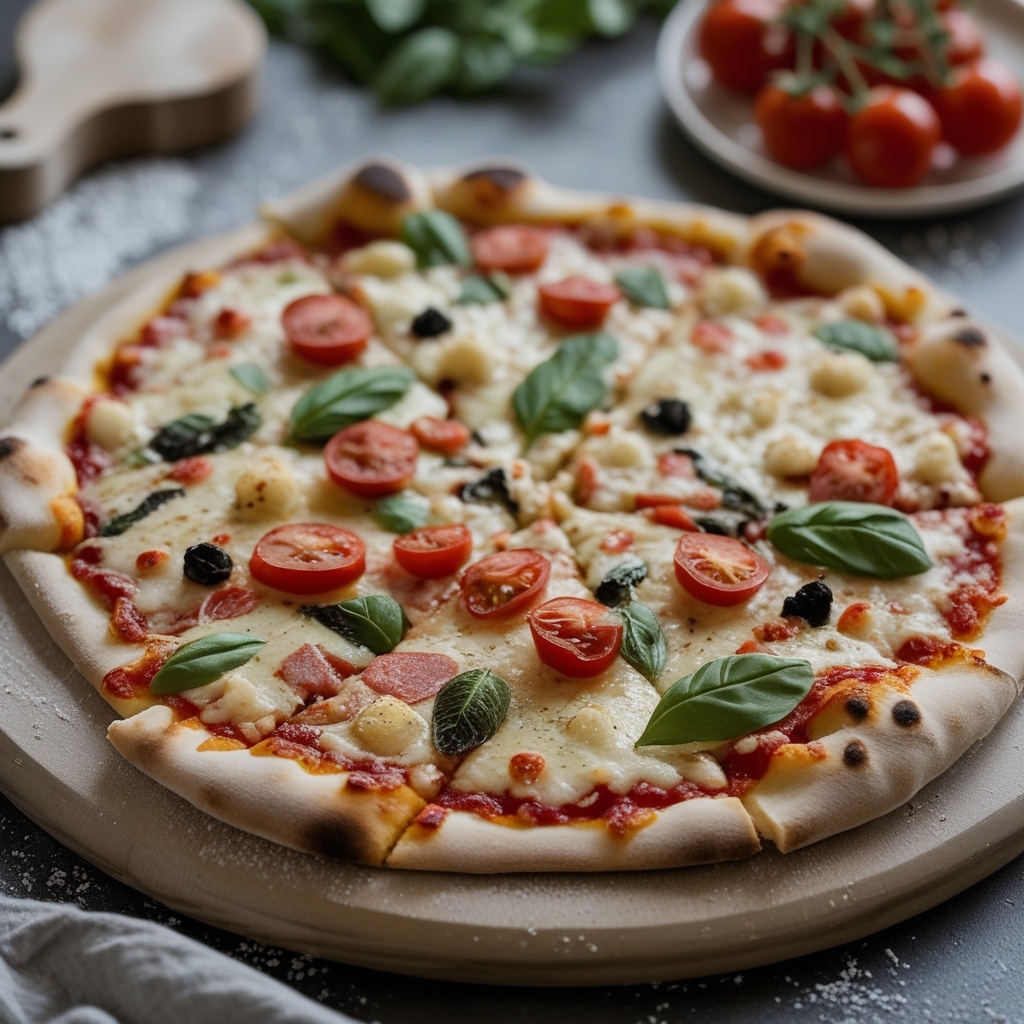
If you’ve ever dreamed of crafting a restaurant-quality pizza in your own kitchen, this blog post will guide you every step of the way. Making your own Homemade Pizza not only gives you full control over fresh ingredients but also allows you to experiment with flavors, textures, and crust styles. With the right techniques, even first-time home cooks can achieve a crisp crust, bubbly cheese, and vibrant toppings that perfectly balance indulgence with simplicity.
Pizza is one of the world’s favorite comfort foods, but the thought of making it from scratch can feel intimidating. Fortunately, with proper preparation and understanding of the science behind dough rising, cheese melting, and oven temperature, it’s easy to replicate that authentic pizzeria flavor at home. In this post, you’ll learn industry-tested methods, practical tips, and foolproof instructions to elevate your pizza-making game.
—
Step-by-Step Instructions
Creating the perfect Homemade Pizza starts with a few essential components: a great dough, flavorful sauce, and well-balanced toppings. Below, you’ll find a structured breakdown designed for clarity and consistency.
Step 1: Prepare the Dough
Start by combining high-protein bread flour, yeast, water, salt, and a drizzle of olive oil. The key is hydration — aim for a soft, elastic dough that’s slightly tacky but not sticky. Knead for about 10 minutes using either a stand mixer or your hands. The gluten structure you build here is what gives your crust that perfect chew. Cover the dough with a damp towel and let it rise in a warm spot for 1 to 2 hours until doubled in size.
Pro Tip: If you have time, refrigerate the dough overnight. The slow fermentation develops deeper flavor and a more complex texture.
Step 2: Make the Sauce
While the dough rises, prepare your tomato sauce. Use crushed San Marzano tomatoes for their sweetness and low acidity. Simmer them with garlic, olive oil, oregano, and a dash of red pepper flakes until the sauce thickens slightly. Avoid oversaturating your pizza with sauce — less is more when it comes to achieving a crisp base.
Step 3: Preheat Your Oven and Prepare the Surface
Set your oven to 500°F (or as hot as it can safely go). A pizza stone or steel is ideal for recreating the fierce bottom heat of a professional pizza oven. Place it on the lowest rack and let it preheat for at least 30 minutes. This ensures even heat distribution and a perfectly golden crust.
Step 4: Shape the Dough
On a floured surface, gently stretch your dough into a 12-inch circle. Avoid using a rolling pin, which can crush air bubbles — those tiny pockets are what create a light, airy crust. If the dough resists stretching, let it rest for a few minutes before trying again.
Step 5: Add Sauce and Toppings
Spread a thin layer of sauce, followed by your choice of cheeses. Fresh mozzarella, provolone, and Parmesan all bring complementary flavors. Then, layer your toppings strategically — heavier ingredients like vegetables should go first, with lighter ones like herbs or cured meats last. This method prevents sogginess and ensures even cooking.
Step 6: Bake
Transfer the pizza onto your preheated stone or steel and bake for 7–10 minutes, or until the crust is golden and the cheese is bubbling with slight charred edges. Rotate halfway through if your oven heats unevenly. Finish with a drizzle of extra-virgin olive oil or a shower of fresh basil for that signature restaurant touch.
—
Tips
Baking a pizza at home comes down to mastering a few key variables — ingredients, temperature, and timing. These expert tips will help you make the most of them:
– Use the right flour: Look for “00” flour for a classic Neapolitan texture or bread flour for a crispier New York-style bite.
– Don’t overload the toppings: Too much moisture prevents proper oven spring in the crust.
– Invest in a pizza peel: It simplifies transferring your pizza in and out of the oven and keeps the shape intact.
– Mind your cheese: Use low-moisture mozzarella if you prefer less weepy cheese pools, or fresh mozzarella if you love that melty stretch.
– Finish with flair: Post-bake additions like arugula, chili oil, or shaved Parmesan enhance flavor and presentation.
—
Alternative Methods
Even without professional tools, you can still achieve outstanding results. Depending on your equipment, try these alternative cooking approaches to bring the same artisan quality to your kitchen.
Cast Iron Skillet Method
Preheat a large cast iron skillet over medium-high heat. Lay your stretched dough directly into the pan and cook until the underside begins to brown. Add sauce, cheese, and toppings, then transfer the entire skillet to a hot oven or under the broiler for 5–7 minutes. This creates a wonderfully crispy bottom and evenly melted top.
Stovetop-to-Oven Hybrid
If you lack a pizza stone or steel, heat a heavy baking sheet upside down in your oven. Transfer your assembled pizza onto the back of the hot sheet — this helps mimic the surface conditions of a stone.
Grill Method
For smoky, char-marked flavor, preheat your grill and cook the dough directly on the grates for 1–2 minutes per side. Add toppings, close the lid, and let it finish cooking until cheese melts and bubbles. This method imparts an unmatched wood-fired essence.
—
Conclusion
Crafting an unforgettable Homemade Pizza goes beyond following a recipe — it’s about embracing creativity, precision, and passion. When you control each element, from the dough fermentation to the final bake, every bite rewards you with texture and depth that store-bought pizzas simply can’t replicate.
Whether you’re cooking for family, hosting friends, or simply treating yourself, this process invites experimentation and personalization. Remember to practice patience, because your technique will improve with each bake. Above all, enjoy the experience — few things bring people together more than a perfectly baked pizza straight from your own kitchen.
With a few key tools, attention to detail, and some culinary curiosity, you’ll find that artisan-level pizza is closer than you think — starting right in your home oven.