
Introduction
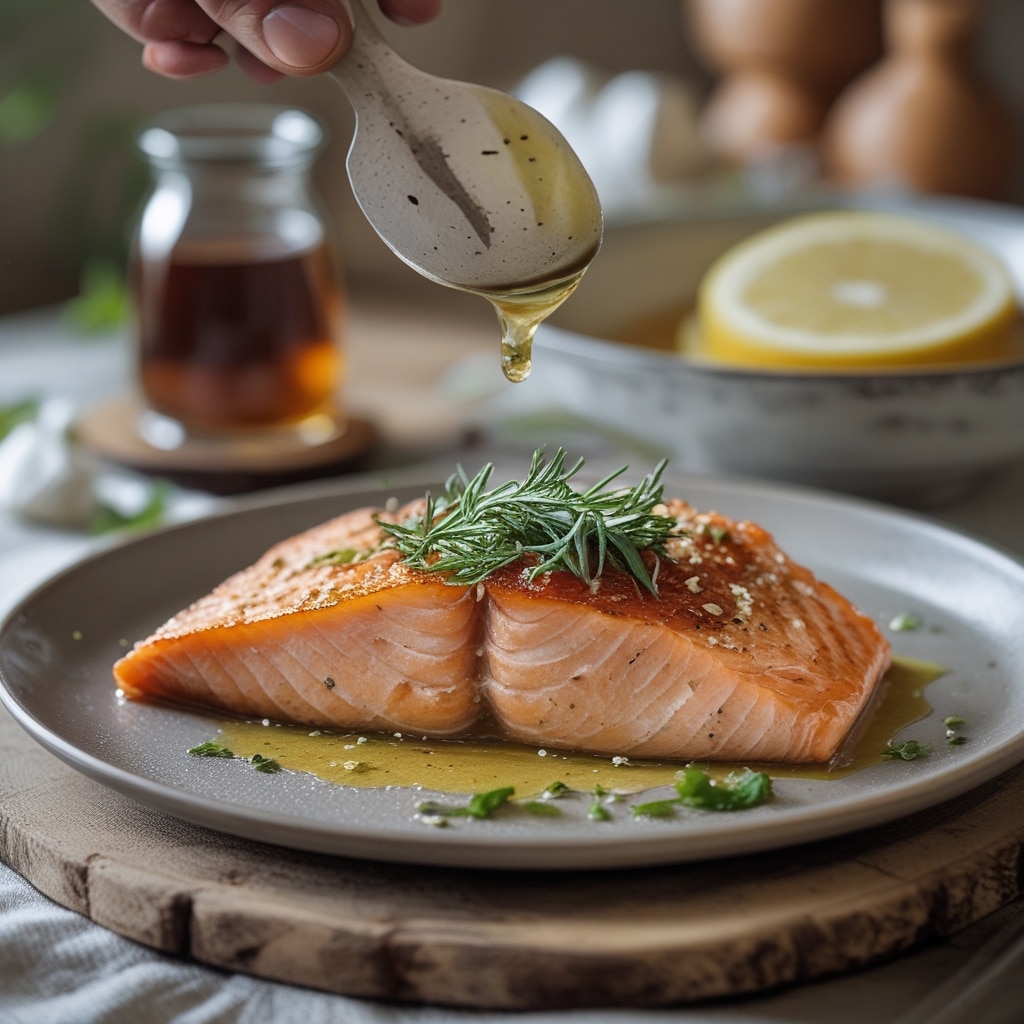
Few dishes combine richness, simplicity, and bold flavor quite like Honey Garlic Salmon. This recipe captures the perfect balance between sweet and savory, offering a restaurant-quality meal that’s easy to prepare at home. In today’s fast-paced world, people crave quick weeknight dinners without compromising taste or health benefits—and salmon delivers on both. High in omega-3 fatty acids, lean protein, and essential vitamins, salmon makes a power-packed centerpiece for any meal while serving as a canvas for an array of bold, vibrant seasonings.
In this post, we’ll explore a step-by-step approach to making this delicious entrée, share pro cooking tips to achieve that irresistible golden glaze, discuss alternative preparation methods, and help you pair your dish with complementary sides. By the end, you’ll have a data-driven understanding of how to prepare, optimize, and present this dish while leveraging culinary best practices to create an experience that’s as visually stunning as it is satisfying.
—
Step-by-Step Instructions
Preparing Honey Garlic Salmon requires just a few simple ingredients and careful timing to achieve that perfect texture—crispy on the outside, buttery tender inside, and coated with a glossy sauce that bursts with flavor. Whether you’re a beginner cook or a seasoned home chef, this recipe can be mastered in under 30 minutes.
Step 1: Gather Your Ingredients
For the base recipe, you’ll need:
– Four salmon fillets (6 oz each)
– 3 tablespoons honey
– 4 cloves of garlic, finely minced
– 2 tablespoons soy sauce
– 1 tablespoon fresh lemon juice
– 1 tablespoon olive oil
– Salt and pepper to taste
– Optional garnish: chopped parsley or green onions
When selecting your salmon, opt for fresh, wild-caught varieties if possible. Wild salmon tends to have richer color, firmer texture, and more balanced fatty acid content compared to farmed alternatives.
Step 2: Prepare the Marinade
Whisk together honey, soy sauce, minced garlic, olive oil, and lemon juice in a medium bowl. This creates the signature glaze that makes the dish shine. Allow the salmon fillets to marinate for at least 15 minutes so the flavors can penetrate the flesh deeply.
Marination doesn’t just enhance flavor—it also tenderizes the fish slightly, ensuring a melt-in-your-mouth experience. If you prefer a stronger garlicky profile, mince the garlic finely and let it sit in honey for a few minutes before adding other ingredients—this releases natural oils and amplifies aroma.
Step 3: Sear the Salmon
Heat a nonstick skillet or cast-iron pan over medium-high heat. Once hot, add a drizzle of olive oil and place the salmon fillets skin-side down. Cook for about 4-5 minutes until golden and crisp. Flip carefully, then pour the reserved marinade into the pan.
Let the sauce bubble and thicken slightly. As it reduces, it will cling to the salmon, transforming into a caramelized glaze. Baste the fillets continuously for a rich, glossy finish. This is where your timing matters—don’t overcook. Salmon continues to cook after it’s removed from heat, so take it off just as it reaches 125°F (52°C) internal temperature.
Step 4: Rest and Serve
Let the salmon rest for a couple of minutes before plating. Serve with rice, steamed vegetables, or roasted potatoes to complement the sweetness of the glaze. The combination of honey’s floral notes, garlic’s pungent warmth, and the umami depth from soy sauce creates a layered flavor that’s simply irresistible.
—
Tips
Perfecting salmon requires precision and a few chef-approved hacks:
1. Control heat levels: Avoid cooking on excessively high heat since honey burns easily. Medium-high heat allows caramelization without bitterness.
2. Use fresh ingredients: Fresh garlic has stronger flavor compounds compared to pre-minced varieties. Likewise, raw honey provides better consistency and aroma.
3. Target the sweet-savory balance: Adjust honey and soy sauce ratios depending on your palate. For a lighter glaze, reduce the honey slightly and increase lemon juice for tang.
4. Test doneness visually: The salmon should flake easily with a fork but remain moist and slightly translucent in the center.
5. Enhance presentation: A sprinkle of sesame seeds or a drizzle of toasted sesame oil can elevate visual appeal and depth of flavor.
By incorporating these pro techniques, your dish will not only taste extraordinary but also look stunning enough for your next blog or social media post.
—
Alternative Methods
While pan-searing is the go-to method for crisp texture and rich caramelization, there are several equally rewarding alternatives depending on your kitchen tools and time constraints.
Oven-Baked
Preheat your oven to 400°F (200°C). Arrange marinated salmon fillets on a foil-lined baking tray and bake for 12–15 minutes. The heat evenly cooks the fish, while the sauce thickens into a sticky glaze. For extra color, switch to broil during the last two minutes.
Grilled
Outdoor grilling infuses the salmon with subtle smoky tones. Brush the grates with oil to prevent sticking and grill over medium heat for about 4 minutes per side. Brush with extra marinade during the last minute to intensify flavor.
Air Fryer
For a quick and low-cleanup option, the air fryer can deliver beautifully cooked salmon. Set it to 380°F (193°C) and cook for 8–10 minutes. Finish by brushing a small amount of sauce over the top immediately after cooking for a glossy effect.
Each method has its own advantages, letting you adapt the recipe to your equipment and dietary needs.
—
Conclusion
There’s no doubt that Honey Garlic Salmon embodies the essence of modern home cooking—simple, nutrient-dense, and irresistibly flavorful. Its balanced sweetness and savory depth appeal to a wide audience, making it perfect for both quick weekday dinners and elegant gatherings. With careful attention to temperature control, ingredient quality, and timing, you can turn a handful of pantry staples into a gourmet-level dish in less than half an hour.
Beyond taste, this recipe speaks to the growing global trend of healthy, functional cooking—favoring fresh proteins and whole ingredients over processed alternatives. Whether you’re blogging to inspire others, optimizing your content for search engines, or expanding your culinary skills, mastering this dish represents both a personal achievement and a smart SEO content strategy: high user intent, strong semantic relevance, and timeless appeal.
Experiment, adapt, and savor the process—much like good cooking, successful blogging is both an art and a science.