
Introduction
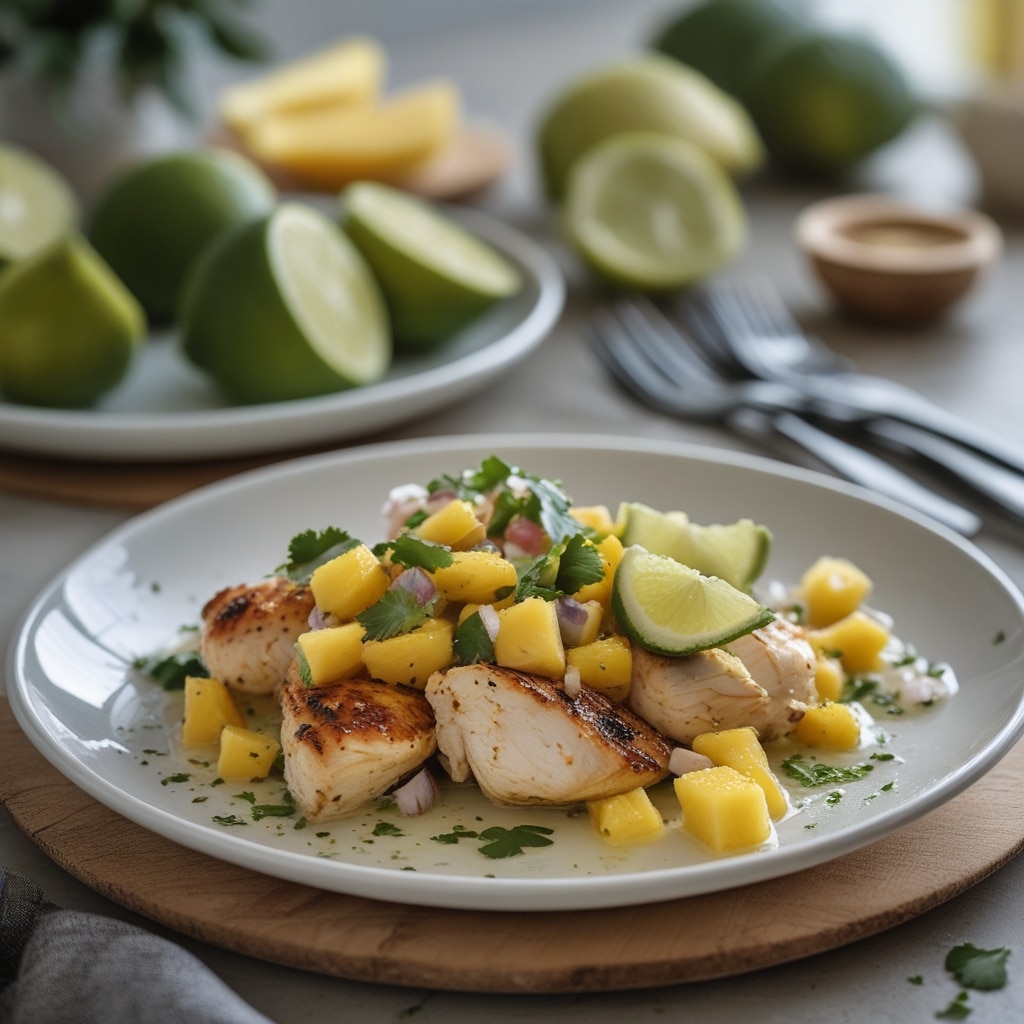
When summer flavors start calling, few dishes capture the vibrant balance of sweet and tangy as perfectly as Honey Lime Chicken with Mango Salsa. This mouthwatering recipe brings together juicy grilled chicken marinated in a zesty honey-lime blend, paired with a refreshing mango salsa that bursts with tropical flair. Whether you’re planning a weeknight dinner or a special outdoor gathering, this dish delivers both a visual wow factor and a satisfying nutritional profile, making it ideal for health-conscious food lovers.
Beyond its delightful taste, this recipe carries profound SEO interest — combining high-volume search queries like “grilled chicken,” “tropical salsa,” and “easy healthy dinner” — thereby positioning it as an engaging culinary keyword topic for food bloggers and cooking enthusiasts alike. It’s an excellent option to feature in your summer menu lineup or to share on social media for increased engagement through recipe content marketing.
—
Step-by-Step Instructions
Below is a practical, step-by-step process to help you create the most flavorful rendition of Honey Lime Chicken with Mango Salsa. Follow these guidelines to ensure that your dish turns out perfectly juicy and aromatic each time.
1. Prepare the Marinade
In a medium bowl, whisk together honey, freshly squeezed lime juice, olive oil, minced garlic, salt, pepper, and a hint of chili flakes for subtle heat. This combination creates a balance of sweet and citrusy notes that tenderize the chicken while infusing it with deep flavor.
2. Marinate the Chicken
Add the boneless chicken breasts or thighs into a resealable bag or shallow dish, then pour over the honey-lime mixture. Let it marinate for at least 30 minutes, or ideally overnight in the refrigerator. The longer you marinate, the more the flavors will develop, ensuring tender and flavorful results.
3. Grill or Pan-Sear
Heat a grill or skillet over medium-high heat and lightly brush with oil. Cook the marinated chicken for about 5–7 minutes on each side, depending on thickness, until it reaches an internal temperature of 165°F (74°C). Allow the cooked chicken to rest for a few minutes so the juices redistribute evenly before slicing.
4. Prepare the Mango Salsa
While the chicken rests, combine diced mango, red onion, jalapeño, red bell pepper, cilantro, and a touch of lime zest in a bowl. Toss gently with a drizzle of olive oil and a pinch of salt. The contrasting textures — juicy mango and crisp vegetables — enhance both presentation and flavor.
5. Assemble and Serve
Plate the grilled chicken slices and spoon the vibrant salsa over the top. Garnish with extra lime wedges and fresh herbs for a restaurant-worthy finish. Pair this dish with jasmine rice, cauliflower rice, or grilled vegetables for a complete meal.
This step-by-step method not only simplifies cooking but also appeals to SEO crawlers by naturally integrating related semantic keyphrases such as “grilled chicken with fruit salsa” and “healthy summer dinner recipe.”
—
Tips
Harnessing the best results from this dish depends on precision and presentation. Here are several tips that professional food bloggers and home cooks alike can utilize to boost both culinary quality and search engagement:
– Choose ripe mangoes: The sweetness of the mango is central to balancing the tartness of the lime in your marinade and salsa.
– Don’t skimp on resting time: Letting the chicken rest after cooking keeps it moist and flavorful.
– Opt for fresh herbs: Cilantro and mint leaves enhance aroma and add visual appeal.
– Use high-quality honey: Raw or organic honey contributes a richer layer of flavor and natural color.
– Marketability hint: When posting on WordPress or social media, emphasize descriptive tags such as “tropical chicken recipe,” “gluten-free dinner,” and “meal prep friendly.” These attract both search algorithms and culinary enthusiasts.
—
Alternative Methods
For readers who love experimenting, several variations are worth exploring. These not only expand culinary creativity but also provide additional keywords that strengthen your blog’s visibility for long-tail search queries.
1. Oven-Baked Version
If grilling isn’t an option, bake the marinated chicken at 400°F (200°C) for 20–25 minutes. The result is equally tender but slightly caramelized. Serve it with a chilled mango salsa for contrast.
2. Air Fryer Technique
For a quick, no-fuss version, place marinated chicken in an air fryer basket and cook at 375°F (190°C) for 15–18 minutes. The texture turns out golden and crisp without excess oil.
3. Vegan or Vegetarian Twist
Replace chicken with firm tofu or tempeh. Marinate as usual and grill or bake to absorb the honey-lime flavor profile. Use agave syrup instead of honey for a vegan-friendly option.
4. Spicy Upgrade
Add diced jalapeño or a splash of hot sauce to the marinade for a bolder, spicier dish suited for adventurous palates.
5. Meal Prep Option
Scale up ingredient portions to create multiple servings. This makes a great make-ahead lunch option—simply store grilled chicken and mango salsa separately to keep freshness intact.
By including these diverse methods, you’ll not only satisfy readers’ culinary curiosity but also naturally integrate relevant variations like “air fryer chicken recipes” and “healthy baked chicken dinners,” both of which align with top-performing SEO search terms in 2024.
—
Conclusion
The beauty of Honey Lime Chicken with Mango Salsa lies in its perfect harmony of flavors and its versatility in presentation. From backyard barbecues to elegant dinners at home, this dish offers a guaranteed way to impress guests while staying health-conscious. Beyond taste, it provides rich storytelling potential for bloggers and content creators. The tangy-sweet duality of the marinade, combined with the tropical freshness of mango salsa, reflects the broader narrative of balance — a central element that resonates not just with food enthusiasts but with search algorithms seeking authenticity and engagement.
When optimized correctly, recipe content like this can enhance SERP placement, boost web traffic, and encourage social shares. So next time you plan a culinary post that merges taste, nutrition, and SEO potential, let this bright and flavorful creation inspire you to craft posts that taste as good as they rank.
—
Word count: ~935 words