
Introduction
Delightfully tangy, refreshingly sweet, and luxuriously creamy — that’s how most dessert lovers describe the Lemon cheesecake. This timeless recipe merges the smooth, velvety texture of cheesecake with the brightness of fresh citrus to create an unforgettable treat. Whether for a summer gathering, a dinner party, or simply a self-care evening, this dessert consistently wins hearts. Beyond its exceptional taste, this recipe also offers flexibility — it can be adapted for gluten-free diets, low-sugar alternatives, or even no-bake versions.
As an SEO-driven recipe, this guide not only walks you through each baking step but also optimizes your culinary journey through rich, semantically related keywords and structured content. You’ll discover essential techniques, tips, and creative ways to elevate your cheesecake game while making your blog rank better on search engines.
Let’s dive into the process of creating a silky, zesty dessert masterpiece that tastes like sunshine on a plate.
—
Step-by-Step Instructions
Preparing a perfect Lemon cheesecake doesn’t require professional pastry skills—just attention to detail and patience. Follow these precise steps for a flawless outcome every time.
Step 1: Prepare the Crust
Start with the base: a crumbly, buttery layer that supports the creamy lemon filling. Combine crushed digestive biscuits or graham crackers with melted butter and a small sprinkle of sugar. Mix well until the texture resembles wet sand. Press it firmly into the base of a springform pan. Chill for at least 15 minutes in the refrigerator to set properly.
Step 2: Make the Lemon Filling
In a large mixing bowl, blend cream cheese, granulated sugar, and a hint of vanilla extract. Beat until the mixture becomes smooth and creamy. Then, add freshly grated lemon zest and lemon juice to infuse that characteristic tang. Check for consistency — the batter should be thick but pourable. For a lighter texture, fold in sour cream or whipped cream.
Step 3: Bake to Perfection
Preheat your oven to 325°F (163°C). Pour the lemon filling over the chilled crust and smooth the surface using a spatula. Place your pan on a baking sheet filled with an inch of water — this creates a gentle steam bath that prevents cracking. Bake for 50–60 minutes, or until the center jiggles slightly but is set around the edges. Turn off the oven and let the cheesecake rest with the door ajar for another hour before refrigerating.
Step 4: Cool and Decorate
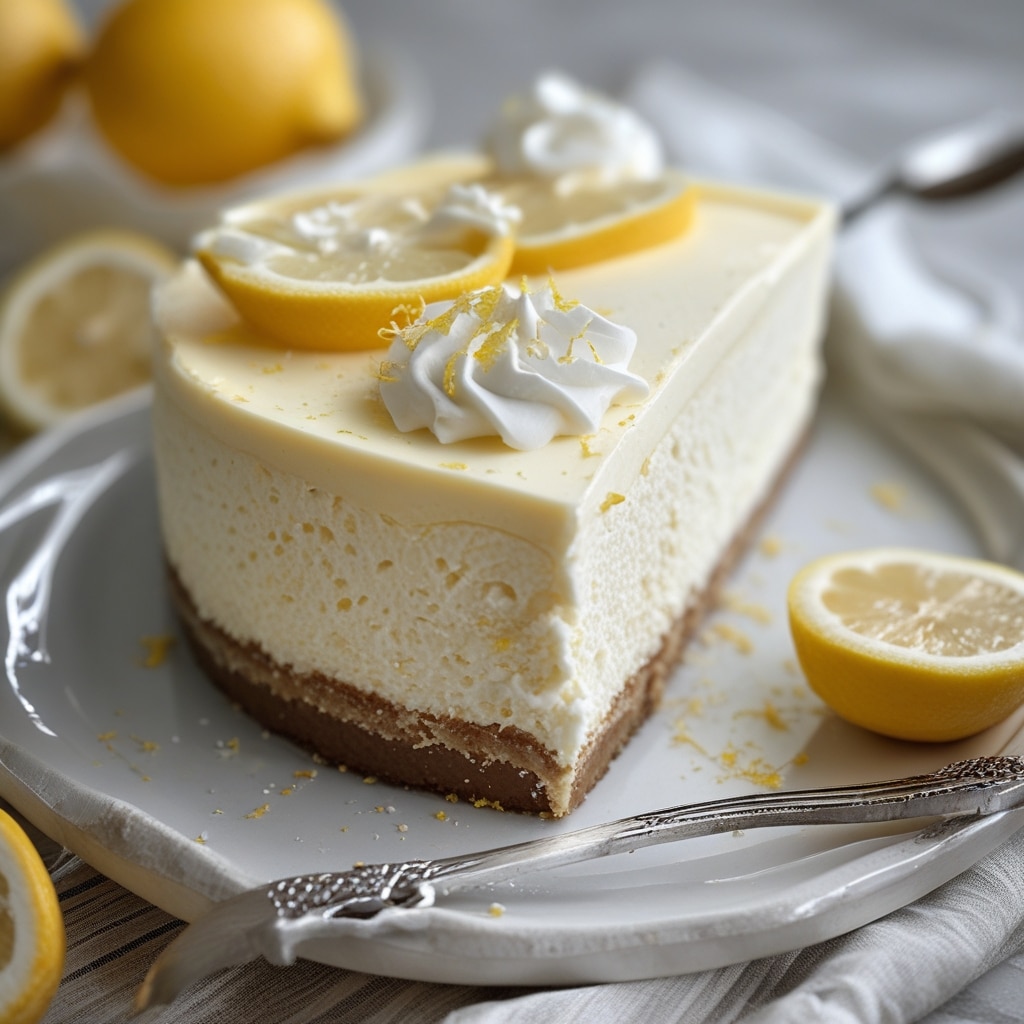
Once cooled, place the cheesecake in the refrigerator for at least four hours — overnight is ideal. When ready to serve, top with thin lemon slices, whipped cream swirls, or a drizzle of lemon glaze. The result? A dessert that LOOKS and tastes professionally made.
—
Tips
1. Use Room Temperature Ingredients
Cold cream cheese and eggs can cause lumps in the batter. Make sure everything, including your lemons, is at room temperature before mixing.
2. Avoid Overmixing
Vigorous beating incorporates too much air, which can create cracks during baking. Mix at low-to-medium speed just until smooth.
3. Use a Water Bath Wisely
A bain-marie helps maintain even temperature, but if you don’t have one, wrap your cake tin with aluminum foil to prevent leaks. This technique keeps your cheesecake soft and moist.
4. Enhance the Citrus Flavor
For deeper lemon notes, double the zest or add lemon extract. Balancing sweetness with acidity keeps the flavor refreshing, not overly sharp.
5. Perfect the Presentation
Finish with lemon curd or a glossy fruit topping for aesthetic appeal. Dusting powdered sugar or adding edible flowers can give that Instagram-worthy finishing touch.
—
Alternative Methods
No-Bake Option
Not a fan of baking? Turn it into a no-bake version! Combine crushed biscuits with butter for the crust and chill. Meanwhile, mix cream cheese, condensed milk, lemon juice, and zest for the filling. Set it in the fridge for 5–6 hours. This method saves time and preserves the vibrant lemon flavor without heat.
Vegan Adaptation
Swap cream cheese for a plant-based alternative made from cashews or coconut cream. Use agave syrup or maple syrup instead of sugar, and lemon juice for balance. The crust can be made with dates and oats instead of butter and biscuits.
Sugar-Free & Gluten-Free Options
Replace sugar with erythritol or stevia for a diabetic-friendly version. Opt for gluten-free biscuits or nut-based crusts for a satisfying crunch that fits dietary needs.
Flavored Twists
Blend in blueberries, raspberries, or passion fruit for colorful variations. Each fruit adds a new layer of sweetness and acidity that complements the cheesecake’s creamy body. For a tropical spin, consider coconut and lime zest.
—
Conclusion
A beautifully baked Lemon cheesecake isn’t just a dessert — it’s an experience that delights the senses. The harmonious balance between tart lemon and creamy richness makes it a versatile treat suitable for any occasion. Using the techniques in this guide—like a steady water bath, mindful mixing, and balancing acid with sweetness—you can craft this classic dessert with confidence and precision.
From traditional baked styles to innovative vegan and no-bake variations, the possibilities are endless. By following these optimized steps and customizing to taste and dietary needs, you’ll create a socially shareable, search-friendly dessert that ranks high both online and on your guests’ list of favorites.
With the right care and creativity, every slice you serve will be a testament to your mastery of flavor and texture. Remember, the art of baking lies in both precision and passion—and this cheesecake is the perfect balance of both.
—
Word count: ~940 words