
Introduction
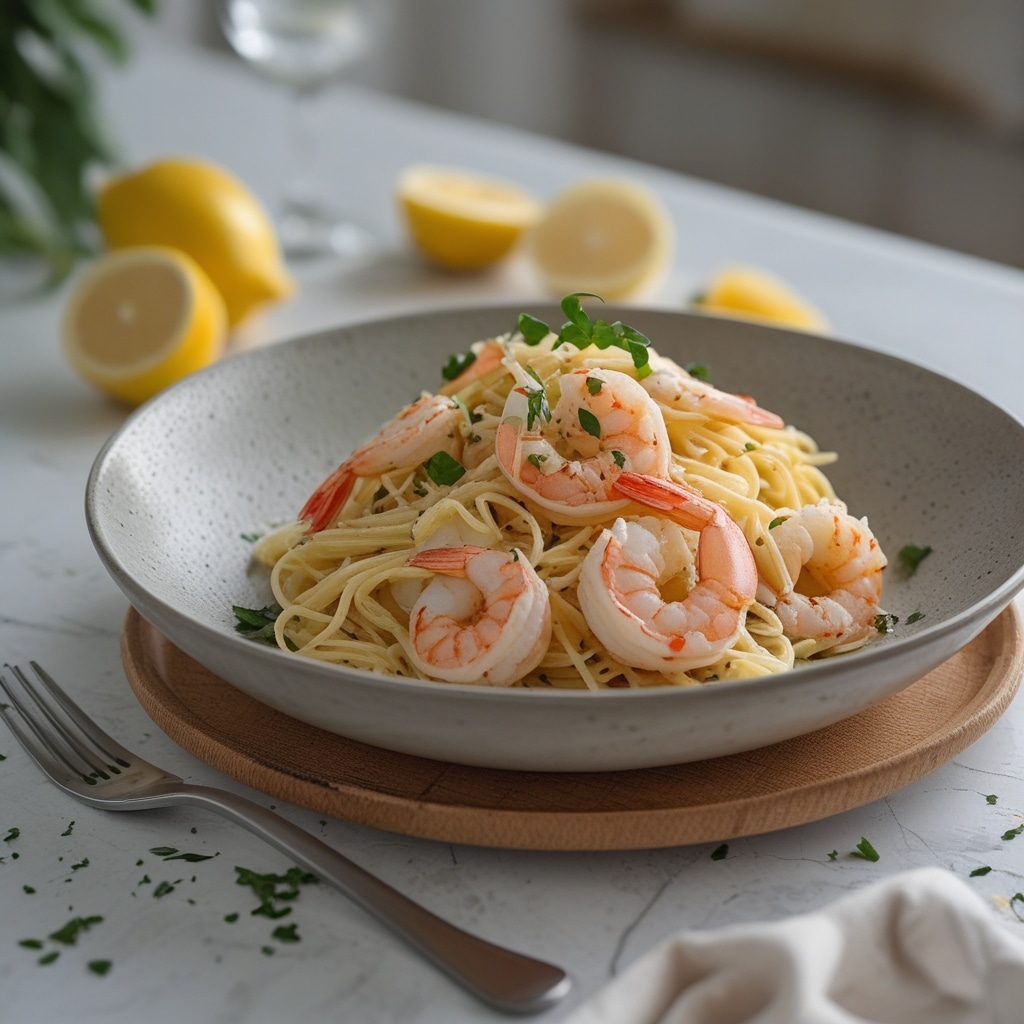
Few dishes capture the bright, bold flavors of Mediterranean-inspired cuisine quite like Lemon Garlic Shrimp Pasta. This zesty, protein-packed meal perfectly balances tangy citrus, aromatic garlic, and tender shrimp tossed with al dente pasta for a restaurant-quality experience at home. What makes this recipe truly special is its simplicity—ready in under 30 minutes, yet refined enough for a dinner party or a cozy night in. In this post, we’ll walk through a complete step-by-step approach to create this flavorful meal efficiently, backed by a few chef-approved techniques and SEO insights into why such flavor-forward recipes connect deeply with modern cooking audiences.
—
Step-by-Step Instructions
Cooking pasta dishes is all about timing and layering flavors. The secret to a successful Lemon Garlic Shrimp Pasta lies in building a rich yet balanced sauce while keeping each ingredient distinct and vibrant. Let’s break it down step-by-step so you can easily follow along at home.
Step 1: Gather and Prepare Ingredients
Before turning on the stove, make sure all your ingredients are ready. You’ll need:
– 8 oz spaghetti or linguine
– 1 lb shrimp, peeled and deveined
– 3 cloves garlic, finely minced
– 2 tablespoons olive oil
– 1 tablespoon butter
– Juice and zest of 1 fresh lemon
– ½ teaspoon red pepper flakes (optional)
– Salt and freshly ground black pepper to taste
– Fresh parsley for garnish
Having everything prepped ensures a smooth cooking process, especially since shrimp cook very quickly.
Step 2: Cook the Pasta
Bring a large pot of salted water to a rolling boil. Add pasta and cook until just al dente, usually 1–2 minutes less than package instructions. Reserve ½ cup of pasta water, then drain the rest. The starchy water will later help emulsify your sauce for a silky finish.
Step 3: Sauté Garlic and Shrimp
In a large skillet, heat olive oil and butter over medium heat. Add minced garlic and sauté until fragrant—about 30 seconds. Next, add the shrimp in a single layer, seasoning with salt, pepper, and red pepper flakes if desired. Cook for 2–3 minutes on one side until they turn pink around the edges, then flip and cook for another minute. Remove the shrimp from the pan and set aside.
Step 4: Build the Sauce
In the same skillet, add lemon juice, zest, and a splash of the pasta water. The goal here is to deglaze the pan, lifting all those flavorful brown bits stuck to the bottom. Simmer for 1–2 minutes, allowing the sauce to slightly reduce.
Step 5: Combine and Toss
Add the drained pasta to the sauce and toss gently, letting the flavors meld. Return the shrimp to the pan and combine everything, stirring until evenly coated. If the sauce seems too thick, add a bit more pasta water to loosen it up. Remove from heat and garnish with fresh parsley for color and herbal fragrance.
Step 6: Serve Immediately
Plate the pasta, ensuring an even distribution of shrimp and sauce. A final drizzle of olive oil and an extra sprinkle of lemon zest will elevate the presentation and aroma. Serve warm with a crisp white wine or sparkling water for a refreshing touch.
—
Tips
Enhance the Flavor Profile
Use a mix of butter and olive oil to balance richness with freshness. Butter adds body to the sauce, while olive oil keeps it light and aromatic. For a deeper flavor, roast garlic beforehand or add a splash of white wine during the deglazing step.
Perfect Pasta Texture
Always undercook your pasta slightly before finishing it in the sauce. This technique, known as pasta risottata, allows the pasta to absorb the sauce directly, creating a harmonious texture rather than feeling “topped” with liquid.
Proper Shrimp Preparation
For the best texture, avoid overcooking shrimp—they can toughen quickly. Once they’re pink and slightly curled, they’re done. To enhance visual appeal, leave the tails on if serving for guests; otherwise, remove them for easier eating.
Zest for Balanced Brightness
Never skip the lemon zest. It provides a concentrated punch of citrus aroma that amplifies flavor without adding extra acidity. Always zest before juicing, as it’s easier to handle a whole fruit.
—
Alternative Methods
Gluten-Free or Low-Carb Options
Substitute regular pasta with gluten-free varieties like brown rice spaghetti or, for a lighter option, spiralized zucchini noodles. These alternatives pair well with the shrimp and absorb the sauce beautifully without overpowering the dish.
Dairy-Free Variation
If you prefer a dairy-free alternative, simply replace butter with additional olive oil or coconut oil. The subtle sweetness of coconut oil complements the shrimp and lemon flavor profile nicely.
Protein and Vegetable Additions
Add extra vegetables—like cherry tomatoes or spinach—for additional texture, color, and nutrients. You can also mix in a handful of baby arugula for a peppery contrast. For added protein, toss in scallops or small chunks of salmon alongside the shrimp for a luxurious seafood medley.
Meal Prep and Reheating
Though pasta dishes are best eaten fresh, leftovers can be stored in the refrigerator for up to 2 days. To reheat, add a tablespoon of water or broth to restore moisture and heat gently over medium-low heat. Avoid microwaving for too long to prevent rubbery shrimp.
—
Conclusion
Cooking delicious, quick, and elegant meals doesn’t have to feel complicated. With a few quality ingredients and some mindful technique, you can master impressive dishes like Lemon Garlic Shrimp Pasta anytime. Its perfect harmony of citrus, spice, and seafood makes it a go-to recipe for busy weeknights or special dinners alike. More than just a pasta dish, it’s a reminder of how simple, fresh ingredients—when combined thoughtfully—can create unforgettable flavor experiences. Whether you’re optimizing your kitchen time or your blog’s search performance, this recipe embodies balance, creativity, and the art of great cooking.
—
Word count: ~915 words