
Introduction
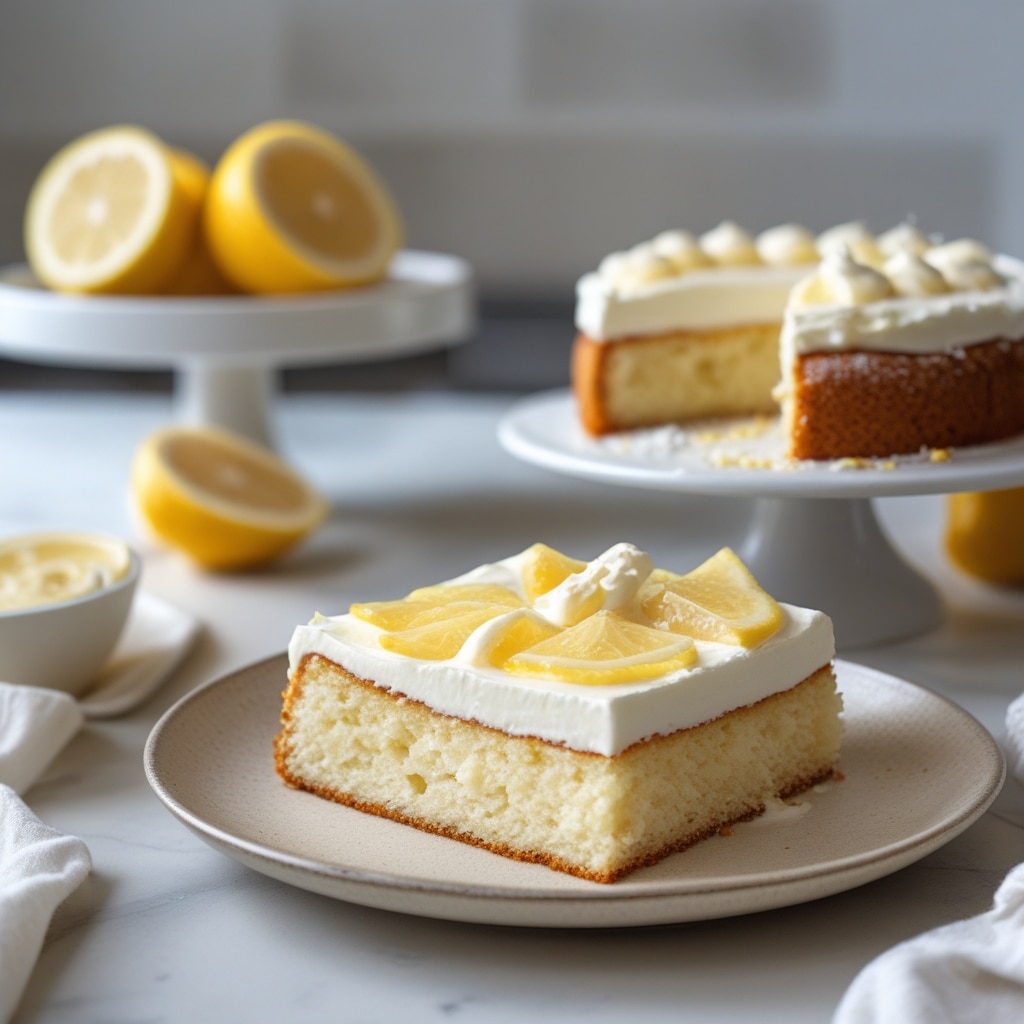
There’s something irresistibly comforting about the aroma of a freshly baked cake filling your kitchen. When citrus meets creamy dairy, the result is a dessert that’s both light and flavorful. That’s exactly what you get with a Lemon Yogurt Cake — a delightful blend of tangy lemon zest and the smooth, moist texture that yogurt brings to baked goods. This cake is easy enough for beginner bakers yet elegant enough to serve at your next brunch, tea party, or weekend family gathering.
This recipe strikes the ideal balance between wholesome and indulgent. Using plain Greek yogurt not only makes the cake tender but also gives it a subtle richness without overpowering sweetness. Plus, lemons are rich in vitamin C and help accentuate flavor naturally, so you don’t need heavy frosting or add-ons to make this dessert shine.
In this post, we’ll cover exactly how to make this sunny treat, share professional baking tips, explore vegan and gluten-free adaptations, and wrap up with a few serving ideas that turn a simple loaf into a showstopper. Let’s get baking!
—
Step-by-Step Instructions
Step 1: Gather Your Ingredients
Before diving into the steps, make sure you’ve got all your ingredients ready. Organization in baking ensures a smooth workflow and prevents surprises midway through. For your Lemon Yogurt Cake, you’ll need:
– 1 ½ cups all-purpose flour
– 2 teaspoons baking powder
– A pinch of salt
– ¾ cup granulated sugar
– 3 large eggs, at room temperature
– 1 cup plain Greek yogurt
– ½ cup vegetable oil (or melted butter for extra richness)
– Zest of two large lemons
– ¼ cup freshly squeezed lemon juice
– 1 teaspoon pure vanilla extract
Optional glaze: mix 1 cup powdered sugar with 2–3 tablespoons lemon juice for a glossy finish.
—
Step 2: Preheat and Prepare the Pan
Preheat your oven to 350°F (175°C). Lightly grease a 9×5-inch loaf pan and line it with parchment paper, leaving a bit of overhang for easy removal later. This prevents sticking and ensures even baking.
—
Step 3: Mix the Wet Ingredients
In a large bowl, whisk together the sugar, yogurt, eggs, oil, lemon juice, zest, and vanilla. The yogurt adds moisture and gives a slight tang that beautifully complements the zest.
—
Step 4: Combine the Dry Ingredients
In a separate bowl, combine the flour, salt, and baking powder. Gradually add the dry ingredients to your wet mixture, folding gently with a spatula until just incorporated. Avoid overmixing—this can make your cake dense instead of fluffy.
—
Step 5: Bake the Cake
Pour the batter into the prepared loaf pan, smoothing the top with a spatula. Bake for about 45–50 minutes, or until a toothpick inserted in the center comes out clean. Baking time may vary depending on your oven and the thickness of your loaf.
—
Step 6: Cool and Glaze
Allow your cake to cool in the pan for 10–15 minutes. Then, transfer it to a wire rack to cool completely. Once cooled, drizzle the lemon glaze over the top for a stunning, glossy finish. The glaze locks in moisture and adds an extra burst of citrus flavor.
—
Tips
1. Focus on Freshness
Always use fresh lemons instead of bottled juice. The zest provides essential oils that intensify flavor and fragrance. You’ll notice the difference in every bite.
2. Temperature Matters
Ensure your eggs and yogurt are at room temperature. This helps them blend seamlessly with the rest of the ingredients, leading to a smooth, stable batter.
3. Don’t Overmix
Overmixing can develop too much gluten and result in a tough cake. Gently fold until ingredients are combined and no streaks of flour remain.
4. Test for Doneness
Every oven is unique. Start checking your cake around the 40-minute mark. Light golden edges and a clean toothpick are your signals that it’s ready.
5. Enhance with Add-ons
For an added flavor twist, fold in poppy seeds or blueberries into the batter before baking. This creates variation in texture while enhancing the citrus profile.
—
Alternative Methods
Gluten-Free Version
Replace the all-purpose flour with a high-quality 1:1 gluten-free flour blend. Make sure your baking powder is certified gluten-free as well. The texture may be slightly more delicate, but it will still be wonderfully soft and moist.
Vegan Adaptation
Substitute the yogurt with a plant-based version (like coconut or almond yogurt) and replace eggs with a flaxseed mixture (1 tablespoon ground flaxseed + 3 tablespoons water per egg). Use light olive oil or coconut oil for best results.
Sugar Alternatives
For a more health-conscious option, swap granulated sugar for coconut sugar or a monk fruit sweetener. Note that this may slightly change the cake’s color and flavor intensity.
Cupcake Variation
Use the same batter to create cupcakes. Divide into a 12-muffin tray and bake for about 20–22 minutes. This method is perfect for portion control, and the cupcakes cool faster if you’re in a hurry.
Layer Cake Transformation
Double the recipe, bake in two 8-inch round pans, and layer with whipped cream or a citrus-charged mascarpone filling. This adaptation transforms a humble loaf into a centerpiece dessert.
—
Conclusion
There’s a reason bakers keep coming back to the Lemon Yogurt Cake — it’s effortlessly elegant, incredibly versatile, and bakes to perfection every time. The balance between tanginess and sweetness, paired with its moist crumb, makes it suitable for any occasion—from casual breakfasts to formal events. Whether you serve it plain, glazed, or dressed up with fresh berries, it’s bound to impress.
Beyond its delightful flavor, this cake showcases how simple ingredients can yield extraordinary results. By combining yogurt’s creaminess with lemon’s bright acidity, you achieve a texture that’s simultaneously soft, springy, and rich in depth.
Try experimenting with the variations above—whether you prefer a gluten-free loaf, a vegan version, or even cupcakes, the foundation remains the same: wholesome, zesty perfection in every slice. Once you’ve mastered this recipe, it’s bound to become a permanent fixture in your baking repertoire—a delicious reminder that sometimes, simplicity truly is the ultimate sophistication.