
Introduction
When it comes to creating healthy, satisfying, and guilt-free baked goods, few recipes generate as much excitement as Low Carb Keto Bread. Designed for those embracing a ketogenic or low-carb lifestyle, this bread captures the comforting texture of traditional loaves while keeping carbs to a minimum. Unlike store-bought alternatives packed with preservatives, this homemade version uses simple, wholesome ingredients that nourish the body and support metabolic goals.
In this post, we’ll take a deeper look at how to bake a perfect keto-friendly bread that’s high in flavor, low in carbohydrates, and delivers the satisfying bite you love. Whether you’re new to keto baking or a seasoned pro, this comprehensive guide offers step-by-step clarity, science-backed tips, and creative variations to elevate your baking experience.
—
Step-by-Step Instructions
The artistry of baking Low Carb Keto Bread lies not in complex techniques but in understanding ingredient balance. Here’s how to make it from scratch — efficiently, deliciously, and with professional baking insights you can trust.
Step 1: Gather Your Ingredients
Every great loaf starts with quality ingredients. You’ll need:
– 2 cups almond flour (fine and blanched)
– 3 tablespoons coconut flour (for extra structure)
– 1 tablespoon baking powder
– ½ teaspoon sea salt
– 5 large eggs
– 1 teaspoon apple cider vinegar
– ¼ cup melted butter or coconut oil
– ⅔ cup unsweetened almond milk
Each component supports the low-carb framework. Almond and coconut flours serve as the base, baking powder ensures lift, and eggs provide necessary binding and moisture retention.
Step 2: Prepare the Batter
Preheat your oven to 350°F (175°C). Grease a loaf pan with butter or line it with parchment paper to prevent sticking.
In a large bowl, mix all dry ingredients until evenly distributed. In another bowl, whisk together the wet ingredients. Slowly combine the wet mixture with the dry ingredients while stirring. The batter should be thick yet spreadable — if it’s too dry, add a tablespoon of almond milk.
Step 3: Bake to Perfection
Pour the batter into your prepared loaf pan and smooth the top using a spatula. Bake for 45–55 minutes or until a toothpick inserted in the center comes out clean. Keto baking can vary depending on humidity and oven type, so keep a close eye on your bread during the last 10 minutes.
Step 4: Cool and Slice
Once baked, remove the loaf from the oven and let it cool in the pan for 10 minutes. Carefully transfer it to a wire rack and allow it to cool completely before slicing. This step is crucial — cutting too early can lead to a crumbly texture.
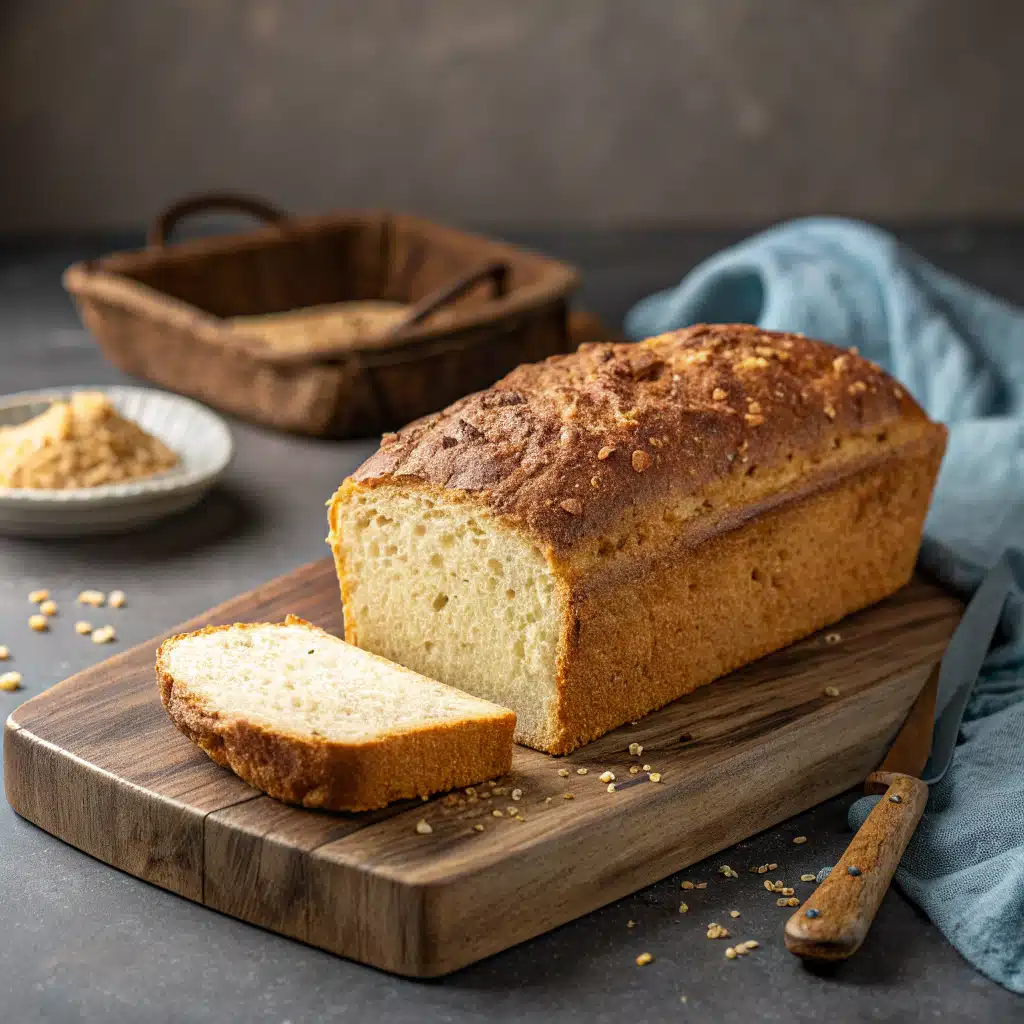
When done right, this loaf develops a golden crust with a tender, bread-like crumb that’s nearly indistinguishable from its traditional counterpart.
—
Tips
1. Choose the Right Flour Ratio
Too much coconut flour can make your bread dense and dry, while relying solely on almond flour may result in excess moisture. The combination provided above yields a balanced texture that’s both tender and sturdy.
2. Use Room Temperature Ingredients
Eggs and almond milk at room temperature ensure even mixing and a more consistent rise. Cold eggs can cause the batter to seize, leading to uneven baking.
3. Don’t Skip the Vinegar
Apple cider vinegar reacts with baking powder, promoting a gentle lift in your bread without requiring yeast. It also helps neutralize any eggy taste sometimes found in keto recipes.
4. Store Smart
Wrap the cooled loaf tightly and store it in the refrigerator for up to five days. You can also freeze slices individually for easy meal prep. Toast from frozen for a quick breakfast or sandwich base.
—
Alternative Methods
Coconut Flour Variation
For those with nut allergies or who prefer coconut-based recipes, substitute almond flour with a combination of coconut flour and psyllium husk powder. You’ll need to adjust liquid ratios, as coconut flour absorbs significantly more moisture.
Flaxseed Bread Twist
Incorporating flaxseed meal adds fiber, omega-3 fatty acids, and a nutty undertone. Replace one-fourth of the almond flour with flax meal to increase density and nutrient profile.
Dairy-Free Option
Need a lactose-free loaf? Simply swap butter for coconut oil or avocado oil and choose a plant-based milk alternative. The result remains moist, flavorful, and completely dairy-free.
Yeast-Infused Version
Although most keto breads skip yeast, including it can create a delightful aroma and subtle tang. Combine a teaspoon of active dry yeast with warm almond milk and a pinch of inulin or sugar (the yeast consumes it during activation, so net carbs stay minimal). Let it sit for 10 minutes before mixing with the rest of your ingredients.
These variations highlight the flexibility of the recipe — making it suitable for a wide range of dietary needs and taste preferences.
—
Conclusion
Mastering a recipe like Low Carb Keto Bread empowers home bakers to indulge without compromise. With its golden crust, soft crumb, and nutritional balance, this keto bread isn’t merely a substitute — it’s a staple that fits seamlessly into modern low-carb lifestyles. By embracing mindful ingredient selection and thoughtful baking methods, anyone can enjoy the warm satisfaction of freshly baked bread while supporting their wellness goals.
Experiment with the tips and variations shared above to personalize flavors and textures according to your preferences. Keto baking isn’t about limitation — it’s about innovation, creativity, and the joy of nourishing your body with every delicious slice.