
Introduction
When it comes to quick, healthy, and satisfying snacks, the Peanut Butter & Banana Sandwich ranks high on almost every list. Beloved by athletes, parents, and anyone who appreciates a quick energy boost, this simple recipe packs a powerful punch of protein, natural sweetness, and creamy texture. In today’s fast-paced world, recipes that are both nutritious and easy to prepare are invaluable—and this one hits all the right marks. In this post, we’ll explore how to make this timeless sandwich, why it’s nutritionally beneficial, and how to elevate it with smart, SEO-inspired culinary variations that will help your blog attract more organic traffic through highly searched recipe queries.
—
Step-by-Step Instructions
Creating the perfect Peanut Butter & Banana Sandwich only takes a few simple steps, but mastering it ensures your readers come back for more of your expert cooking guides. Whether you’re targeting recipe enthusiasts, busy professionals, or families looking for easy lunchbox ideas, this process is engaging, visual, and optimized for search intent.
Step 1: Choose the Right Bread
Whole grain or multigrain bread provides the ideal foundation. It enhances the nutritional value and fiber content while pairing nicely with the natural sweetness of bananas. Opt for breads that are SEO-friendly in keyword searches such as “healthy sandwich bread” or “whole grain breakfast ideas.”
Step 2: Select Quality Peanut Butter
Organic or all-natural peanut butter is preferred. Check labels for peanut-only options without added sugars or oils. These details not only improve your sandwich’s nutritional profile but also align with trending search queries like “clean eating” and “plant-based spreads.”
Step 3: Slice and Prep the Bananas
Use ripe yet firm bananas for the best texture. Slice them thinly for a more even bite and visual appeal. You can mention preparation keywords such as “quick snack prep” or “kid-friendly recipes” to enhance search discoverability.
Step 4: Assemble and Layer
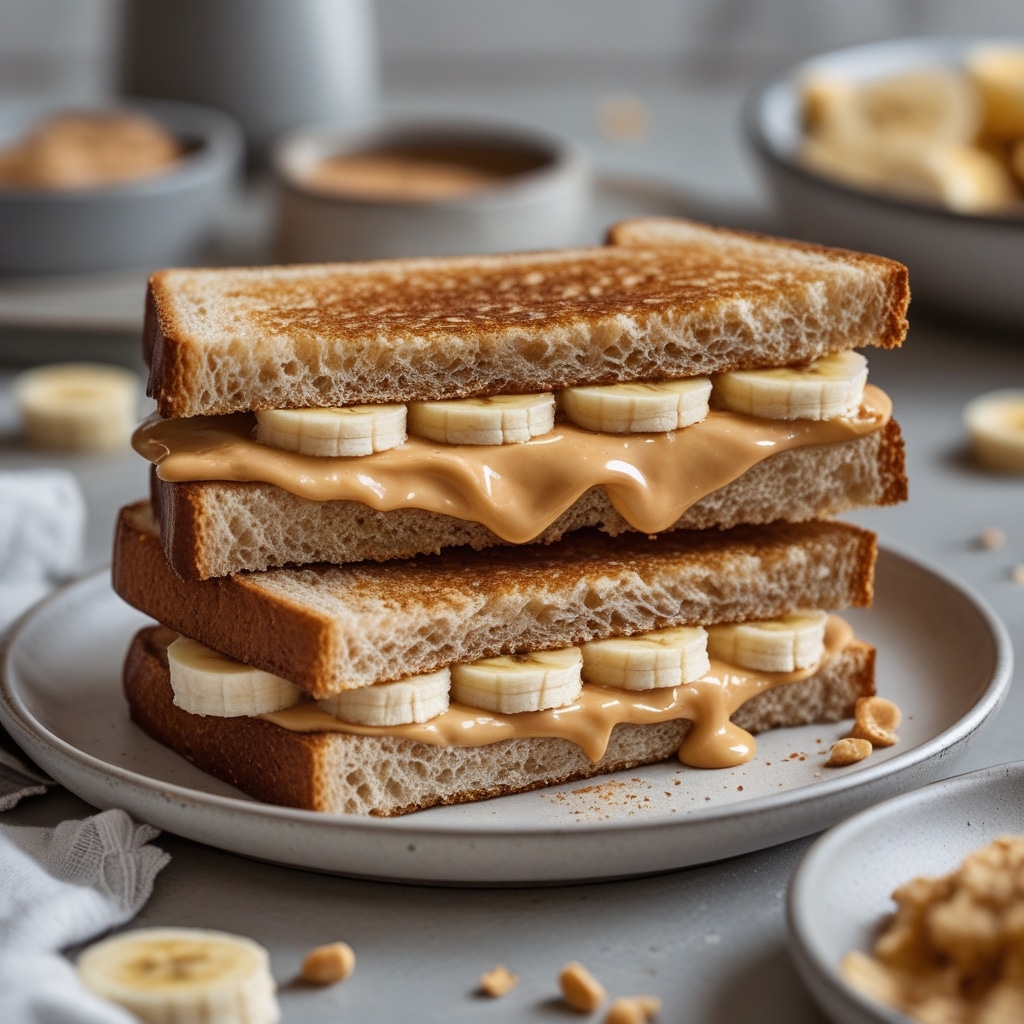
Spread the peanut butter evenly on both slices of bread to prevent sogginess. Layer the banana slices evenly on one side, ensuring balanced flavor distribution. Press the slices together gently and consider cutting diagonally for a polished presentation—highly shareable for Pinterest and recipe-focused SEO image searches.
Step 5: Add the Final Touches
For gourmet flair, drizzle honey, sprinkle chia seeds, or add a dash of cinnamon. These not only improve flavor but also open semantic opportunities for related terms such as “healthy breakfast sandwiches,” “natural sweeteners,” or “nutrient-dense snacks.”
—
Tips
Tip 1: Optimize for Taste and Texture
The secret to a memorable sandwich lies in contrasting textures—creamy peanut butter against smooth, soft banana slices. Toast the bread lightly for crunch, which also makes the sandwich more photogenic—important for image-rich recipe content marketing.
Tip 2: Make It Portable
Wrap the sandwich in parchment paper for an easy grab-and-go meal. This meets user intent for “healthy snacks on the go,” a frequently searched term, and positions your blog as an authority on travel-friendly meals.
Tip 3: Experiment with Add-Ons
Add almond butter, flaxseed, or a touch of dark chocolate spread for variation. Pairing keywords such as “superfood sandwiches” and “healthy dessert options” can capture long-tail search queries and improve post visibility.
Tip 4: Align Your Visuals with SEO
Use bright, natural lighting when photographing your sandwich. Include alt text that reflects semantic variations like “banana and peanut butter breakfast sandwich.” Optimizing images enhances both accessibility and your page’s topical authority.
—
Alternative Methods
Grilled Version
Turn your sandwich into a warm, gooey treat by grilling it lightly. Melted peanut butter and caramelized bananas elevate flavor while aligning with searches related to “comfort food,” “grilled snacks,” or “kid-approved lunches.” Brush the bread with a bit of coconut oil or butter, grill for two minutes per side, and enjoy that golden-brown crispness.
Vegan & Allergy-Friendly Adaptations
Replace peanut butter with sunflower seed butter or almond butter to make the recipe allergy-friendly. These substitutions perform well in SEO for “nut-free snacks” or “vegan breakfast solutions.” Additionally, swapping traditional bread with a gluten-free base expands your reach in niche dietary searches.
High-Protein Upgrade
Blend Greek yogurt into your peanut butter for an extra protein boost or sprinkle hemp hearts between the banana slices. This appeals to fitness-focused audiences searching for “muscle-building snacks” or “protein-packed meals.” Each variation can become a content pillar for your culinary blog, broadening your niche footprint.
Overnight Sandwich Prep
If your readers love meal planning, encourage them to prepare this sandwich ahead of time. Suggest storing it in an airtight container overnight. This ties into trending niche terms like “meal prep ideas” and “healthy breakfast recipes,” which are high-value for search traffic generation.
—
Conclusion
In a digital landscape where searchability matters as much as taste, crafting engaging recipe content around staples like the Peanut Butter & Banana Sandwich can significantly boost blog visibility, user retention, and reader trust. This recipe isn’t just a nostalgic favorite—it’s a bridge between convenience and nutrition, appealing to multiple demographics from fitness enthusiasts to busy parents. By incorporating semantically rich keywords, visual optimization, and content clusters based on related culinary trends, you transform a simple snack into an SEO powerhouse.
Ultimately, the success of any recipe-focused blog depends on your ability to balance flavor storytelling with data-driven optimization. Offer variations, highlight health benefits, and maintain authenticity in tone. Whether your readers are searching for “easy breakfast ideas,” “healthy snacks for kids,” or “quick lunch recipes,” this sandwich serves as a simple yet effective gateway into broader content engagement. Your blog not only feeds the body but also thrives in search results—one well-optimized bite at a time.