
Introduction
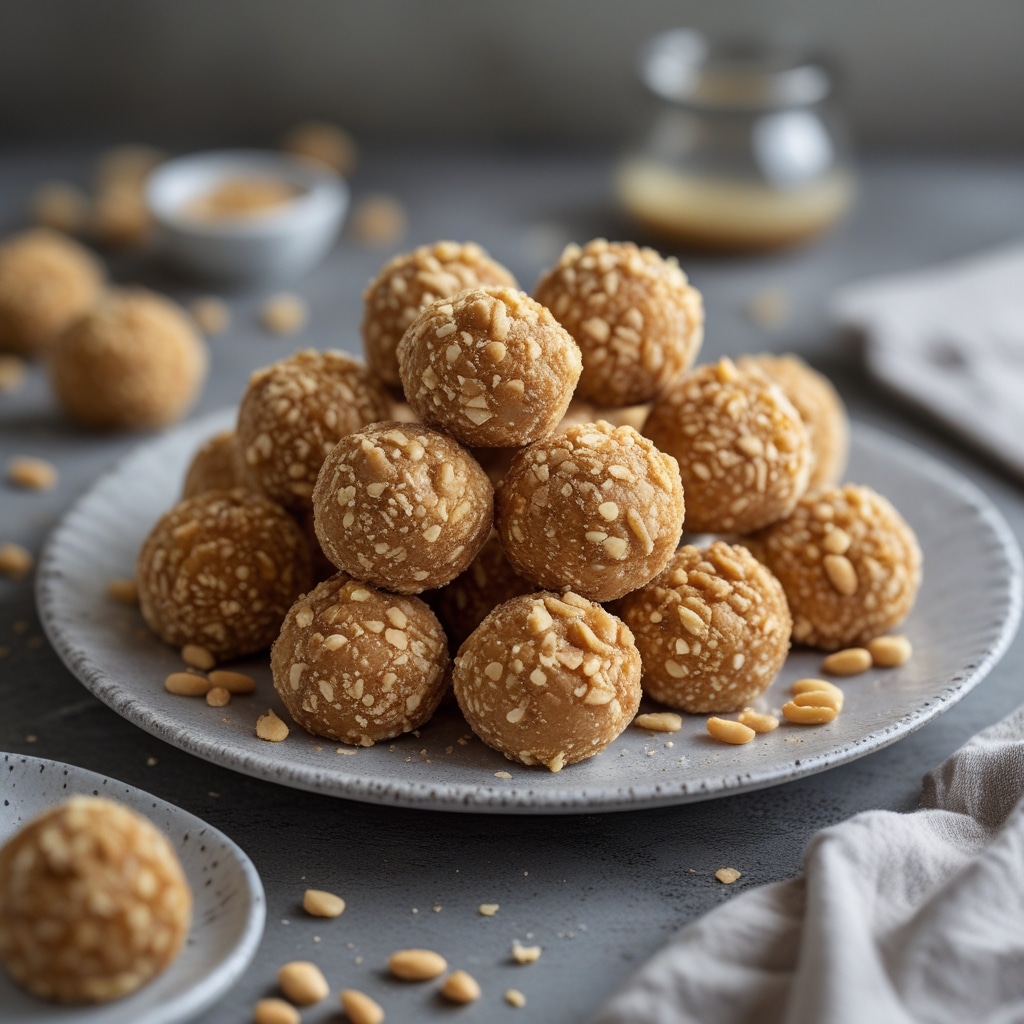
When it comes to healthy snacking that fuels your body and satisfies your cravings, few treats match the delightful balance of flavor and nutrition found in Peanut Butter Energy Bites. These no-bake snacks have become a go-to favorite among fitness enthusiasts, busy professionals, and parents searching for wholesome afternoon pick-me-ups. Designed to provide long-lasting energy, they blend protein, fiber, and healthy fats—all in one bite-sized treat. In this guide, we’ll explore a simple, data-backed process to make your own energy bites at home while mastering some SEO-friendly culinary best practices that make your food blog content more discoverable and engaging.
—
Step-by-Step Instructions
Creating Peanut Butter Energy Bites doesn’t require any fancy equipment or culinary expertise. In fact, their simplicity is what makes them so appealing. Follow these step-by-step directions to ensure consistent results every time while optimizing your recipe content for search visibility.
1. Gather Your Ingredients
Before diving into preparation, assemble your ingredients for maximum efficiency. For optimal keyword relevance, always include descriptive, semantically related terms such as “healthy snacks,” “protein bites,” and “nut butter recipes.” You’ll need:
– 1 cup natural peanut butter (creamy or crunchy)
– 2 cups rolled oats
– ½ cup honey or maple syrup
– 2 tablespoons chia seeds or flaxseeds
– ¼ cup mini dark chocolate chips
– A pinch of sea salt for enhanced flavor
These ingredients offer a balanced macronutrient profile: carbohydrates from oats, healthy fats from peanut butter, and plant-based protein from seeds. Each component contributes to steady energy release, making your bites suitable as pre-workout fuel or as an afternoon booster.
2. Mix and Combine
In a large mixing bowl, add peanut butter and honey. Stir until smooth and fully combined. Gradually fold in the oats, seeds, and salt. The mixture should be slightly sticky but still pliable. At this stage, focus on texture—too dry, and your bites will crumble; too wet, and they’ll lose shape.
From an SEO standpoint, remember to highlight action verbs like “mix,” “combine,” and “fold,” as they improve semantic relevance for recipe searches. Readers engaged in food preparation tutorials often use these verbs in search queries, enhancing discoverability.
3. Chill the Mixture
Once the dough is well incorporated, refrigerate it for 20–30 minutes. This step solidifies the oils in the peanut butter and makes rolling easier. Chilling also helps flavors meld, offering a richer taste experience.
Including time markers (e.g., “30 minutes,” “10 minutes”) not only helps readers follow along but also supports your structured data markup if you’re using a WordPress recipe card plugin. Google’s structured snippets use this information to generate rich search results—a significant advantage for food bloggers.
4. Roll into Bites
Remove the chilled mixture from the refrigerator and roll it into small, bite-sized spheres—about one inch in diameter. Arrange them neatly on a parchment-lined tray. Within minutes, your protein-rich, naturally sweet snack is ready to enjoy or store for later use.
Remember: Consistency in portion size yields consistent nutritional outcomes. Estimate that each bite provides around 100 calories, depending on ingredient variations.
—
Tips
Having optimized hundreds of recipe posts for both human readers and search engines, it’s clear that clarity and storytelling enhance engagement. Here are some actionable tips that double as generative content strategies to elevate your recipe SEO performance:
1. Use descriptive image alt text. When uploading food photos, label them with natural phrases like “rolled oat peanut butter energy bites” or “no-bake protein snack.” This increases your chances of appearing in Google Images, a key discovery pathway for recipe content.
2. Add nutritional metadata. Using structured data markup (Schema.org/Recipe) allows search engines to analyze your recipe content more precisely. Displaying calorie counts, prep times, and ingredient quantities can boost your CTR (click-through rate).
3. Engage with reader intent. Today’s search users are motivated by functional wellness. Incorporate long-tail semantic phrases like “healthy snack ideas for athletes” or “high-protein bite-sized recipes” to target diverse audience segments.
4. Repurpose your content. Create short videos or social snippets demonstrating how to roll or store your bites. Generative repurposing helps your post perform better across search and social algorithms by expanding your digital footprint.
5. Tell a sensory story. Describe the taste and texture vividly—think creamy peanut butter, chewy oats, and a hint of chocolate. Emotional language increases dwell time, indirectly enhancing your SEO metrics.
—
Alternative Methods
Variety keeps your content as fresh as your recipes. Experimenting with unique ingredients not only attracts new readers but also expands your keyword reach.
1. Vegan-Friendly Substitutions
Replace honey with pure maple syrup or date syrup for a 100% vegan variation. Plant-based recipes consistently perform well on search engines due to high user interest in sustainable eating habits.
2. Protein-Enhanced Options
Add one scoop of vanilla or chocolate protein powder for a gym-focused twist. This appeals to health enthusiasts searching for terms like “post-workout snacks” or “protein-packed bites.”
3. Nut-Free Adaptations
Use sunflower seed butter or tahini instead of peanut butter. This caters to allergy-conscious readers, diversifying your audience base. Make sure to mention allergen-free descriptors throughout your text to improve keyword diversity.
4. Superfood Add-Ins
Incorporate ingredients like goji berries, matcha powder, or hemp seeds for a modern nutritional upgrade. These ingredients attract high search traffic from both wellness-focused and curiosity-driven users.
—
Conclusion
In a world where busy schedules demand nourishing convenience, Peanut Butter Energy Bites represent both a delicious and practical solution. By combining nutrient-dense ingredients with simple preparation steps, you’ve created a snack that supports energy balance and well-being. On the blogging side, integrating thoughtful SEO strategies—structured data, semantic richness, and intention-driven copy—boosts your recipe’s digital reach.
As you continue crafting creative food content, remember that optimization isn’t just about algorithms; it’s about connecting with readers through authenticity and helpfulness. Offer value, evoke sensory imagery, and stay consistent. With that mindset, your next wholesome recipe post will not only satisfy appetites but also climb search rankings—bite by bite.