
Introduction
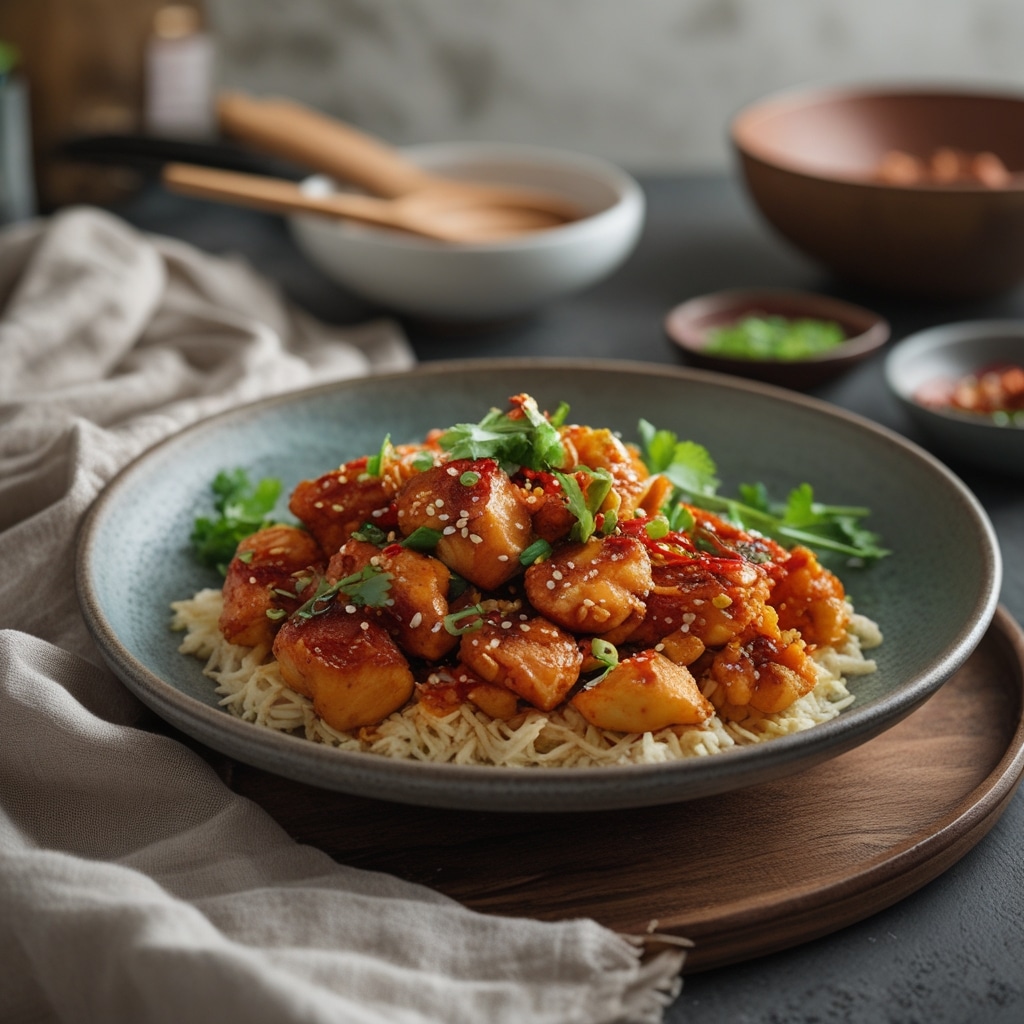
If you’re craving a bold, flavorful dish that brings heat, crunch, and a hint of sweetness to your dinner table, then look no further than the irresistible SPICY KOREAN CHICKEN. This Korean-inspired favorite has been trending across food blogs and video platforms alike, thanks to its perfect balance of smoky spice, crispy edges, and sticky glaze that clings beautifully to every bite. Whether you’re hosting a weekend dinner, meal-prepping for a busy week, or simply satisfying a craving for something indulgent, this recipe delivers both satisfaction and nutrition.
In this post, we’ll break down how to make this recipe at home using a few simple, readily available ingredients. You’ll also discover time-saving tips, ingredient swaps, and data-backed insights on how this dish fits into modern healthy eating trends. Plus, we’ll explore smart SEO-driven culinary strategies: showing how optimizing your food blog content with structured headings, conversational tone, and semantic keywords can increase traffic and retention. Let’s dive into the step-by-step guide to transform your kitchen into a Korean street food haven.
—
Step-by-Step Instructions
Step 1: Prepare the Chicken
Start by selecting boneless, skinless chicken thighs — they retain moisture better and deliver a delicious tenderness that’s essential for this dish. Dice the chicken into bite-sized pieces and marinate it with soy sauce, grated garlic, ginger, and a dash of sesame oil. This short marination process (at least 20 minutes) allows the flavors to penetrate deeply into the meat.
Step 2: Craft the Sauce
The heart of SPICY KOREAN CHICKEN lies in its sauce. In a small bowl, combine gochujang (Korean chili paste), honey or brown sugar, rice vinegar, and a spoonful of soy sauce. The gochujang provides the foundational heat, while honey introduces a sticky sweetness that balances the spice perfectly. Whisk these ingredients until smooth and thick.
For a richer flavor, you can elevate the sauce by adding minced garlic, mirin, or even a touch of sriracha for an extra layer of fiery complexity.
Step 3: Fry the Chicken
Lightly coat your marinated chicken in cornstarch and flour for a crispy exterior. Heat vegetable oil in a skillet or wok over medium-high. Fry the chicken until it achieves a golden-brown crust on both sides — about 6–8 minutes total. Once crispy and cooked through, remove from the oil and let it rest briefly on a wire rack to maintain crispness.
Step 4: Glaze and Toss
In the same pan, pour the prepared sauce and simmer gently until it thickens and starts to bubble. Add the fried chicken pieces back in, tossing thoroughly so each piece gets evenly coated with the sticky, aromatic sauce. You’ll notice the glaze hardening just slightly as it cools — that’s the magic of a perfect Korean-style glaze.
Step 5: Garnish and Serve
Top with toasted sesame seeds, chopped scallions, and maybe a few crushed peanuts or thinly sliced red chilis if you like it extra spicy. Serve over steamed jasmine rice, quinoa, or even with crisp lettuce leaves for a low-carb option. The vibrant red color alone makes this dish Instagram-worthy, and the first bite confirms why this meal has become such a global favorite.
—
Tips
– Optimize texture: For the crispiest results, avoid overcrowding the pan during frying. Space helps maintain a steady oil temperature and prevents soggy coating.
– Balance the heat: Gochujang varies in spice intensity by brand. Taste the sauce before adding all of it — you can always build heat gradually.
– Healthy adaptations: Swap traditional frying with an air fryer or oven-bake method to cut down on oil without sacrificing crunch.
– Storage advice: Store leftovers in airtight containers and reheat in a skillet over low heat to re-crisp the sauce. Avoid microwaving, which can make the coating soggy.
– Perfect presentation: Garnish with fresh herbs and serve with pickled radishes or kimchi for a true Korean-style dining experience.
From an SEO perspective, providing detailed step guidance in list or heading-based formats like this improves content clarity and user dwell time — key ranking signals for food blogs.
—
Alternative Methods
Air Fryer Method
If you’re health-conscious or prefer a hands-off cooking approach, the air fryer makes this recipe equally delightful. After marinating the chicken, coat lightly in cornstarch and place in a preheated air fryer at 375°F (190°C). Cook for 15–18 minutes, flipping halfway. When crisp, toss them in the prepared sauce. This method uses 70–80% less oil and retains a lighter texture that makes it suitable for family-style meals or meal prep.
Oven-Baked Method
For those cooking larger batches, baking is efficient and cleanup-friendly. Arrange the coated chicken on a lined baking sheet, drizzle lightly with oil, and bake at 400°F (200°C) for 25 minutes or until golden. Finish by brushing or tossing in the glaze before serving. The result is a glossy, caramelized coating without the heaviness of deep-frying.
Vegetarian or Vegan Version
Use cauliflower florets, tofu cubes, or seitan instead of chicken. These ingredients soak up the gochujang glaze beautifully, delivering a satisfying bite that mirrors the signature flavor notes of the original dish. As more people transition to plant-based diets, Korean sauces like this offer a versatile base for vegan adaptations — a growing trend in 2024’s culinary landscape.
—
Conclusion
Making SPICY KOREAN CHICKEN at home is more than just cooking — it’s an experience that connects culture, flavor, and creativity. With its fiery glaze, satisfying crunch, and delicate balance of sweet and heat, this dish has become a global comfort food favorite. Beyond its culinary appeal, optimizing your recipe content using structured headings, plain-language explanations, and natural keyword placement ensures your readers find (and return to) your post through search engines.
An engaging, data-driven blog post about international recipes like this one helps increase visibility, encourage sharing, and establish authority in the food blogging community. So, whether you’re preparing it for a family dinner or publishing it to inspire readers, there’s no better time to turn your next meal — and your next post — into a viral masterpiece that satisfies both taste buds and search algorithms alike.