
Introduction
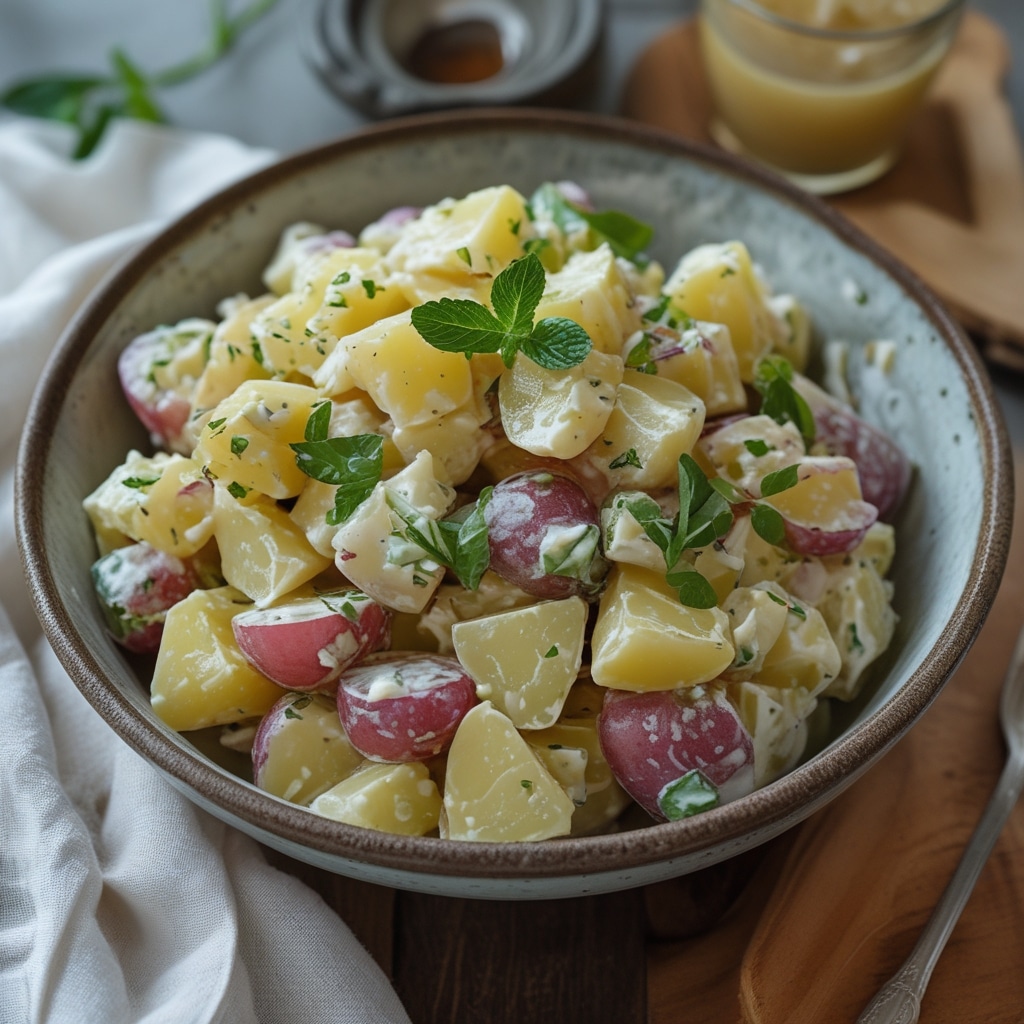
As the days grow longer and flowers begin to bloom, there’s nothing more refreshing than the light and vibrant flavors of spring cuisine. Among the season’s standout dishes, the Spring potato salad captures everything we love about fresh ingredients and seasonal eating. This dish is more than just a side—it’s a celebration of crisp textures, zesty herbs, and the comforting heartiness of tender potatoes. In this post, we’ll take a deep, flavorful dive into how to prepare this seasonal favorite, including tips for perfecting its texture, adding creative twists, and making it a showstopper for any brunch, picnic, or family gathering.
From a search-engine perspective, this recipe sits perfectly within trending spring food queries, such as “easy spring salads,” “healthy side dishes for spring,” and “fresh picnic recipes.” By integrating these related terms throughout, this article helps both search engines and food lovers discover a delightful dish that balances wellness and taste.
—
Step-by-Step Instructions
Creating the perfect Spring potato salad starts with choosing the right ingredients and following a thoughtful cooking process. Each step ensures that the final dish tastes fresh, well-balanced, and visually appealing.
H3: Step 1 – Choose the Right Potatoes
For a top-tier salad, opt for waxy or new potatoes. Varieties like Yukon Gold or red baby potatoes hold their shape after boiling, offering a creamy consistency without turning to mash. Be sure to scrub them thoroughly but keep the skins on for added fiber and color contrast.
H3: Step 2 – Perfect the Boiling Process
Cut potatoes into evenly sized pieces to ensure uniform cooking. Bring a pot of salted water to a gentle boil, then add the potatoes. Simmer for about 10–12 minutes until fork-tender but not crumbly. Drain immediately and allow them to cool slightly—this preserves their firm yet soft bite.
H3: Step 3 – Combine Fresh Ingredients
Add sliced radishes, blanched green beans, chopped scallions, and fresh dill or parsley. The brightness of these greens complements the mild, earthy potatoes. If you prefer a touch of tang, toss in a handful of capers or thinly sliced pickles for depth.
H3: Step 4 – Prepare the Dressing
For a balanced flavor, whisk together olive oil, Dijon mustard, lemon juice, white wine vinegar, and a dash of salt and pepper. Greek yogurt or sour cream can make the dressing creamier without overwhelming the natural ingredients.
H3: Step 5 – Mix and Chill
Gently combine prepared ingredients while the potatoes are still slightly warm so they absorb the dressing’s flavors better. Allow the salad to chill in the refrigerator for at least 30 minutes. This cooling period helps the flavors meld and enhances texture, offering a more cohesive and refreshing experience.
—
Tips
Perfecting a spring-inspired salad comes down to small details that make a big difference in taste, appearance, and longevity. Consider the following:
H4: 1. Balance the Textures
Mix crunchy vegetables with tender potatoes for a mix of sensations in each bite. Celery, radishes, or even lightly toasted almonds can add playful layers of crunch.
H4: 2. Play with Herbs
Fresh herbs define the difference between an average and an outstanding salad. Dill, mint, and chives add a unique aroma that instantly elevates your dish. Use them generously, and always chop them right before serving to prevent wilting.
H4: 3. Choose Seasonal Add-ins
Spring brings a wide range of produce—peas, asparagus, or even baby spinach make great additions. Integrating local, seasonal items not only enhances flavor but also improves SEO relevance when people search for “farm-to-table spring recipes.”
H4: 4. Enhance Presentation
Presentation matters, especially for social sharing or entertaining guests. Serve your salad in a white bowl to highlight the colorful vegetables, drizzle with olive oil, and finish with a sprinkle of freshly ground pepper for a professional touch.
H4: 5. Keep It Healthy
If you’re looking to optimize for nutrition-focused searches, emphasize healthy fats (like olive oil and avocado) and lean proteins (such as poached eggs or smoked salmon) as garnishes. Use minimal salt, balancing flavors naturally with herbs and acids.
—
Alternative Methods
Not every kitchen setup or taste preference is the same, which is why experimenting can make your spring salad experience even more enjoyable—and SEO-friendly when targeting “customizable spring side dish” keywords.
H3: Roasted Potato Method
Instead of boiling, try roasting your potatoes for a caramelized exterior and hearty texture. Toss them in olive oil, salt, and a touch of paprika. Roasted potatoes pair especially well with lemony vinaigrettes and bring smoky depth to the salad.
H3: Dairy-Free Option
For a vegan-friendly version, skip yogurt or cream-based dressings entirely. A blend of tahini, lemon juice, and maple syrup creates a creamy, dairy-free consistency with a nutty flavor profile. This makes your recipe suitable for broader dietary searches like “vegan potato salads for spring.”
H3: Warm Version
Serving the salad warm brings out rustic comfort for breezier spring evenings. Combine freshly boiled potatoes with a warm mustard vinaigrette and a handful of sautéed leeks. It’s comforting, satisfying, and perfect for early spring dinners.
H3: Protein-Boosted Variation
Add boiled eggs, grilled shrimp, or shredded chicken to transform this simple side into a complete meal. These protein-rich options appeal to audiences searching for “high-protein spring recipes,” increasing your reach across fitness and wellness categories.
—
Conclusion
The Spring potato salad stands as a versatile, colorful, and nutritious recipe that represents everything we love about seasonal home cooking. Whether served warm with hearty proteins or chilled for a sunny picnic, its balance of texture, freshness, and flavor makes it a crowd-pleaser every time.
In a digital landscape where search engines prioritize authentic, user-focused content, recipes like this offer the perfect blend of culinary appeal and SEO resonance. With its fresh ingredients, adaptable flavor profiles, and strong association with springtime dining trends, this dish is both timeless and timely.
As you prepare this salad for your next gathering, remember that small adjustments—from herb choices to plating—can enhance its beauty and taste. Most importantly, enjoy the process of creating a dish that not only delights your taste buds but also celebrates the season’s bounty in every bite.